




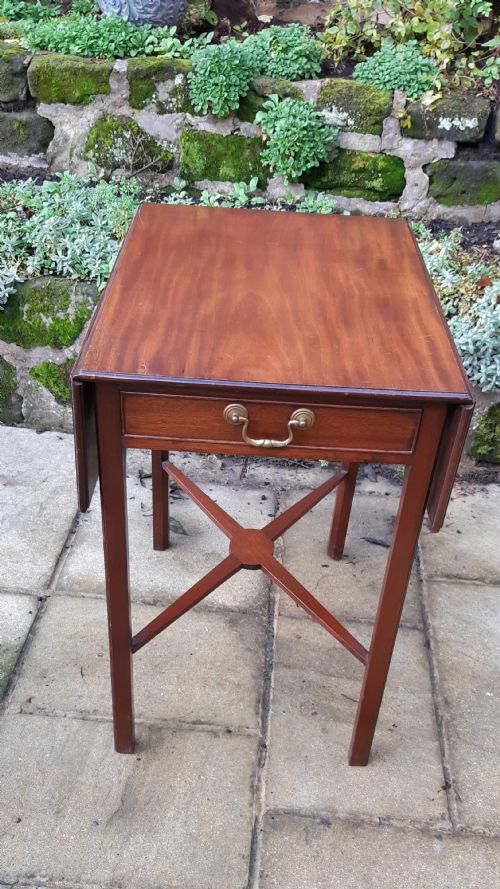


Georgian Style Extension Table
These georgian style extension table examples offer classic timber dining forms designed to expand for guests using pillar and leaf arrangements.
Georgian Style Extension Table
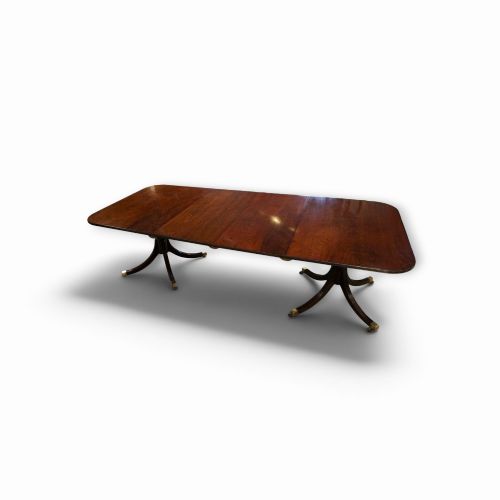
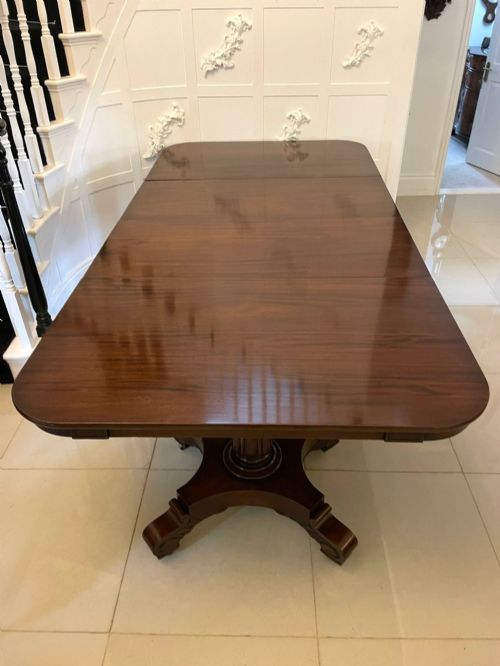
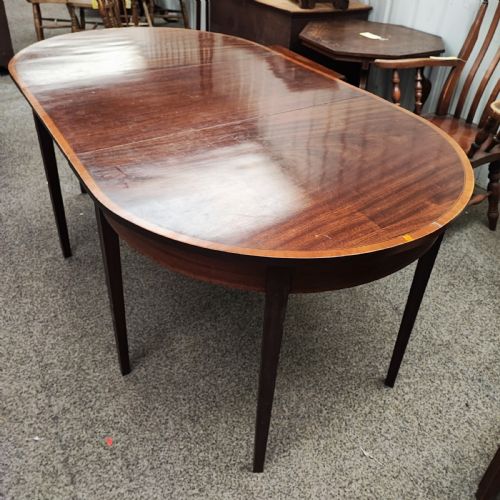
A georgian style extension table brings traditional dining forms into domestic spaces through timber construction, often utilising multiple pedestals or drop leaves to adjust surface area. Buyers searching for a georgian style extension table typically encounter pieces from the nineteenth century, nineteen-twenty, and Edwardian periods.
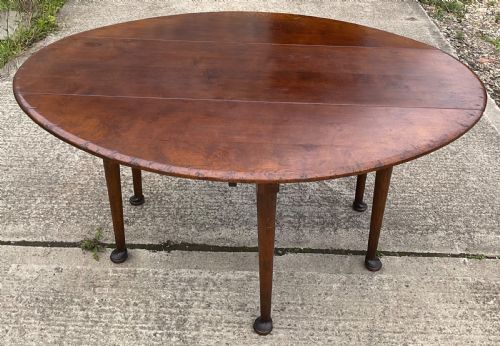
The selections span grand triple pedestal formats designed to seat large numbers down to twin pillar configurations and drop-leaf variations. These dining tables and occasional forms reflect influences ranging from Regency styling to George III and Chippendale revival aesthetics.
Most entries utilise rich timber surfaces suited to formal dining rooms or versatile living spaces. The physical evidence shows distinct variations in scale, from intimate pembroke designs to expansive multi-pillar banquet tables.
How they were made
Makers constructed these tables primarily using figured mahogany, frequently incorporating brass fittings and delicate satinwood inlay for decorative contrast. Cherry wood also appears among the material selections, providing varied grain patterns across different periods.
Joinery techniques focused on stability and movement, allowing pedestals and leaves to support heavy timber tops without warping. Artisans shaped pillars and borders by hand, balancing structural endurance with refined surface detail.
Listings feature periods from eighteen-hundred through the Edwardian era, with mahogany as the primary material.
What varies in quality
Quality rests upon the selection of timber figures and the precision of inlaid details such as satinwood borders. Tables demonstrating superior construction display balanced proportions across multiple pedestals and seamless transitions when expanded.
The sophistication of pillar turnings and the integration of brass components distinguish finer workshops from standard production. Grain matching across extension leaves marks the distinction between ordinary utility and higher execution.
The Georgian Style Extension Table Glossary
- Pedestal
- A central timber support column that rests on legs or feet to hold up the table top. Multiple pedestals allow longer tables to distribute weight evenly.
- Satinwood inlay
- A contrasting light-coloured timber embedded into the mahogany surface to form decorative borders or motifs. This technique highlights the skill of the cabinetmaker.
- Pembroke table
- A small occasional table featuring hinged leaves on two opposite sides. These versatile pieces often serve as side tables or compact dining surfaces.
- Drop-leaf table
- A table equipped with hinged flaps that drop down at the sides when not in use. This mechanism allows the user to alter the footprint of the furniture quickly.
- Regency
- A design period spanning the early nineteenth century characterised by classical revival motifs and architectural restraint. Furniture from this era often emphasises clean mahogany grains and subtle brass details.
Georgian Style Extension Table: Frequently Asked Questions
How do I seat more guests?
Many of these tables utilise multi-pillar formats or drop leaves that expand to accommodate larger gatherings.
Adding leaves between pedestals extends the timber surface safely while maintaining structural balance.
Where should I place a drop-leaf table?
Drop-leaf formats work well in smaller rooms where floor space changes throughout the day.
Downed leaves let the table rest against a wall until dinner requires the full span.
How do I identify a multi-pillar table?
Multi-pillar tables feature two or three separate wooden columns resting on feet beneath the top.
This arrangement supports long spans of mahogany without needing fixed corner legs.
What timber is most common?
Mahogany dominates these listings, frequently showcasing figured grain patterns developed over centuries.
Satinwood and brass accents often accompany the primary timber for decorative contrast.