





Georgian Style Art Print
These georgian style art print examples bring centuries of British portraiture and sporting scenes into the room inside period wood and gilt frames.
Georgian Style Art Print
A georgian style art print encompasses framed prints, wall art, and engravings that capture the aesthetic of the eighteenth and early nineteenth centuries. The pieces on this page span several eras including the Regency, Victorian, and Edwardian periods, reflecting revivals as well as works produced closer to the original Georgian epoch.
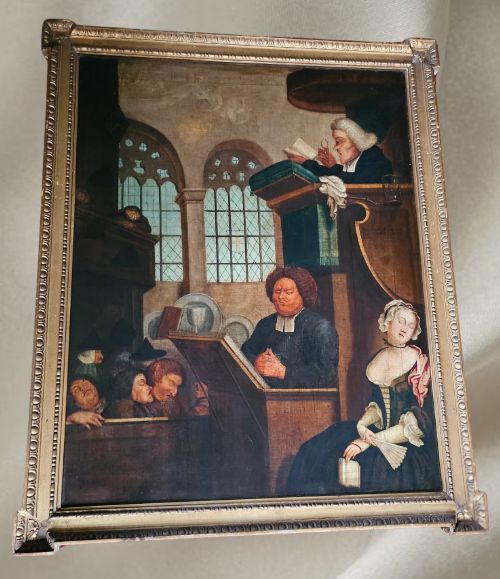
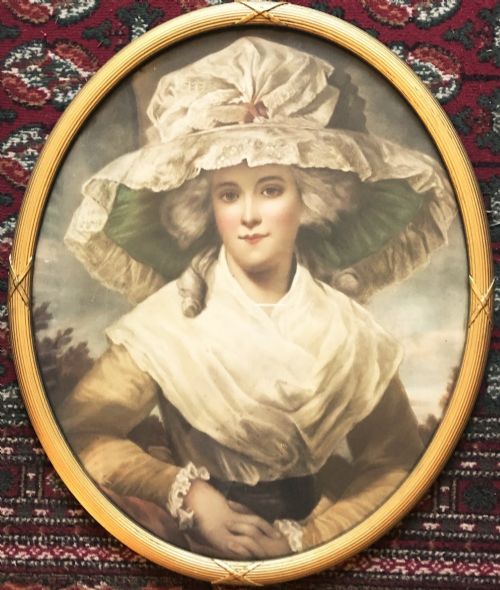
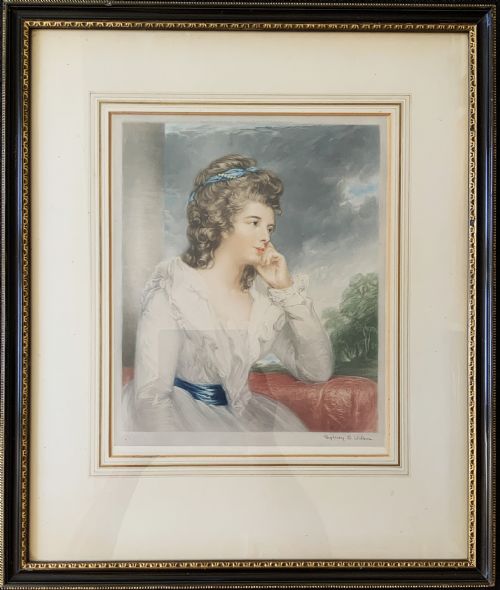
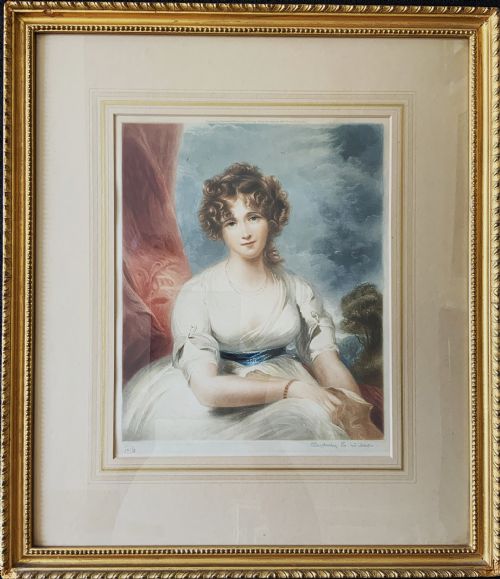
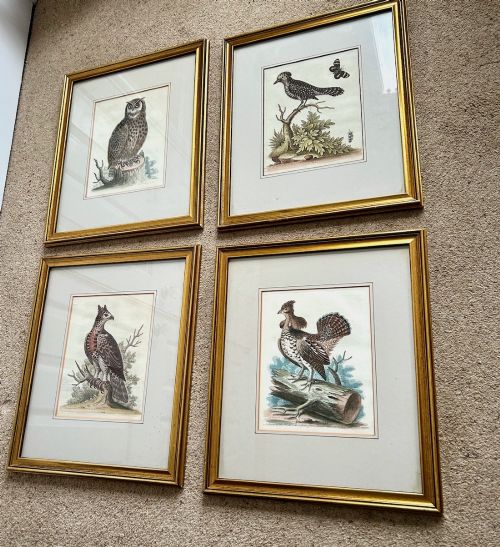
Buyers frequently encounter mezzotints, hand-coloured engravings, and silhouette art housed in gilt wood, glass-fronted, or ornate frames. Subjects range from equestrian sporting art and English country scenes to formal portraits of ladies after artists such as William Hogarth and George Romney.
Materials and Techniques
Works utilise paper, canvas, and ink, often enhanced with hand colouring applied directly to the printed surface. Master printmakers employed mezzotint and engraving techniques on copper plates to achieve deep tonal gradations and fine lines.
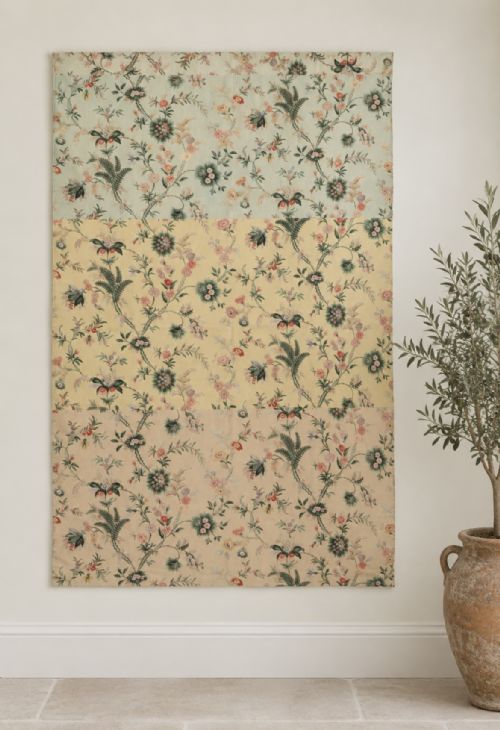
Frames rely on wood, gilt wood, and gold leaf, occasionally featuring glass fronts and eglomise glass panels to protect the delicate works underneath. These traditional framing methods help preserve the prints and textile panels against dust and handling.
Listings feature works spanning the 18th Century through the 1920s, utilising paper, canvas, gilt wood, and gold leaf.
Markers of Quality
Quality rests in the crispness of the plate impression and the subtlety of the ink tones across the paper. Early impressions and signed artist proofs show sharper detail than later printings where the plate has worn.
The integrity of the framing matters greatly, with period gilt wood and dome-fronted glass adding distinct character compared to later replacements. Hand-applied watercolour washes that remain vibrant without fading elevate the visual appeal of the piece.
Sydney Wilson·Thomas G Appleton·George Edwards
The Georgian Style Art Print Glossary
- Mezzotint
- A printmaking process where the copper plate is roughened to achieve rich dark tones and subtle graduations of light. This technique allows for velvety backgrounds and lifelike skin textures in portraiture.
- Engraving
- A method of cutting design lines into a hard metal plate using a sharp tool called a burin. The resulting lines hold the ink under pressure to transfer a crisp image onto paper.
- Eglomise
- A decorative technique applying gold or silver leaf to the reverse side of glass combined with painting. It creates a reflective, mirrored border often found on antique picture frames.
- Silhouette
- A solid dark profile portrait cut from paper or painted against a light background. These profile likenesses gained popularity during the eighteenth century as an intimate form of portraiture.
- Artist proof
- An impression of a print taken before the final edition is produced, typically retained by the artist or maker. These early pulls are valued for their superior clarity and direct connection to the creator.
Georgian Style Art Print: Frequently Asked Questions
What subjects appear in these prints?
The subjects include formal portraits of ladies, equestrian sporting scenes, and traditional English country depictions. Many are executed after well-known historical painters like William Hogarth and George Romney.
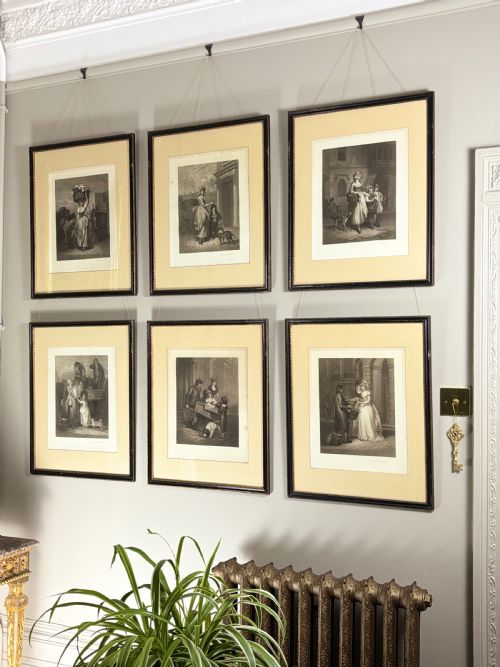
Buyers also encounter silhouette conversation pieces and multi-print series such as the Cries of London. These varied themes reflect the broad taste of collectors during the periods when these works were issued.
How do I identify the age of a print?
Dating relies on examining the paper quality, ink characteristics, and the framing materials used. Listings span the eighteenth, nineteenth, and early twentieth centuries, capturing original production as well as later revivals.
Signatures from engravers or publishers inscribed on the margin offer clues to the precise decade of printing. Period frames with original gilt wood and glass provide further context for the age of the complete object.
Are these works original or reproductions?
The collection includes period engravings, hand-coloured prints, and signed artist proofs created centuries ago alongside later nineteenth and twentieth-century interpretations. Each listing specifies the period of origin to help distinguish between contemporary strikes and later editions.
Many pieces are antique engravings produced by skilled printmakers working after major artists. Understanding the difference between a direct period impression and a later reproduction guides the collector's choice.
How should I display framed prints at home?
Display these works away from direct sunlight to protect the paper and hand-applied colours from fading over time. Secure wall art using appropriate fixings suited to the weight of the timber and gilt wood frames.
Pairing items with complementary styles like Regency or Edwardian decor enhances their historical character. Keeping them in stable humidity conditions preserves both the print surface and the antique frames.