



Historical Female Portraiture
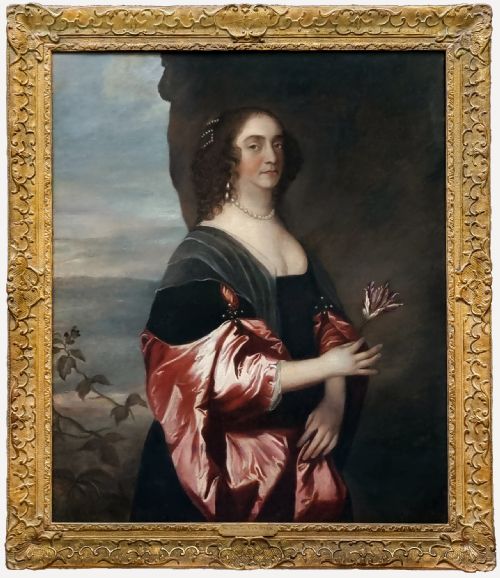
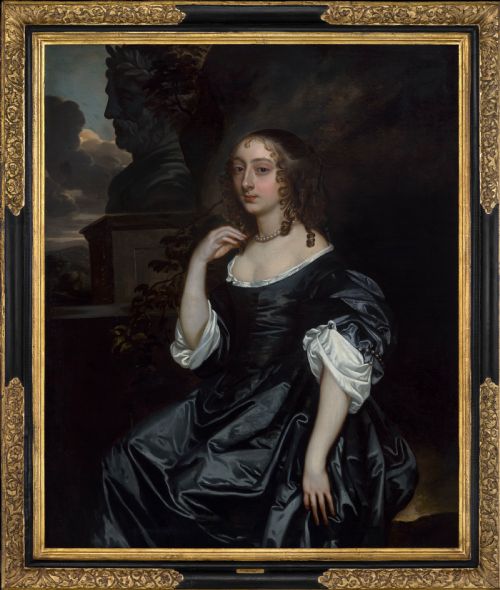
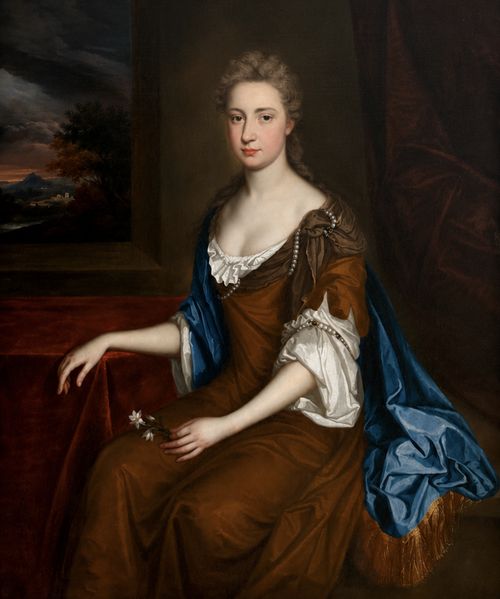
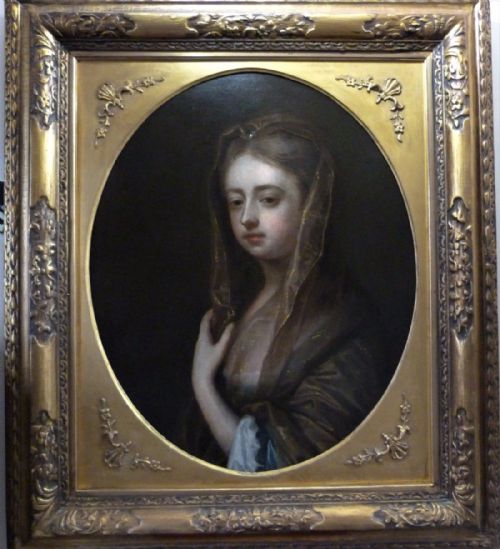
Historical female portraiture brings centuries of painted presence into a room through oil on canvas and panel.
Historical Female Portraiture
Historical female portraiture comprises oil paintings on canvas and panel depicting named subjects, noblewomen, and unknown sitters from past centuries. Buyers look for these works to anchor a room with centuries of painted character and recorded identity.
The selections available range from seventeenth-century depictions in sumptuous attire and lace to eighteenth-century canvases and Victorian oils. Seventeenth-century and eighteenth-century examples feature prominently, alongside nineteenth-century works and pieces from nineteen hundred.
What Varies in Quality
Quality in historical female portraiture rests upon the skill with which the face, hands, and textiles are rendered by the artist or studio. Works from the studio or circle of a known painter show finer anatomical structure and fabric depth than anonymous follower pieces.
The preservation of the original paint surface and the untouched condition of the canvas or panel determine the integrity of the piece. Contemporary or period gilt frames that match the age of the painting add considerable cohesion.
Several ladies gaze out from their centuries-old canvases while holding everyday items like trays and cellos.
Sir Peter Lely·Thomas Beach·Sir Allan Ramsay·Cornelius Johnson·John Robert Dicksee·Thomas Gainsborough·Balthasar Denner·Michael Dahl
The Historical Female Portraiture Glossary
- Oil on Canvas
- Pigment mixed with drying oil applied to a woven fabric support stretched over a wooden frame. This medium allowed artists to achieve subtle tonal gradations and rich textures.
- Gilt Wood
- Timber carved and coated with a thin layer of gold leaf or gold powder. It forms the decorative framing typical of seventeenth and eighteenth-century paintings.
- Studio of
- A term indicating the work was produced in the workshop of a master artist, often under their supervision. Such pieces reflect the direct stylistic influence and methods of the named master.
- Panel Painting
- A painting executed on a flat piece of wood rather than canvas. Earlier works frequently utilised timber panels before canvas became the dominant support.
Historical Female Portraiture: Frequently Asked Questions
How do I identify seventeenth century portraits?
Seventeenth century portraits typically feature stiff lace collars, heavy jewels, and dark backgrounds reflecting the Jacobean, Baroque, or Restoration periods.
The sitters often wear elaborate attire with cut sleeves or sumptuously detailed bodices, painted on timber panels or early canvas supports.
What is the difference between circle of and studio of?
Studio of indicates work produced within the master's workshop under direct supervision, sharing close technical similarities.
Circle of denotes an artist working independently during the same period who was closely associated with the named master and influenced by their style.
Are these paintings supplied in frames?
Many listings include period appropriate gilt wood or timber frames that complement the age of the canvas.
Frames often feature moulded wooden construction finished with period gilding to match the historical context of the artwork.
How should I care for an oil on canvas portrait?
Keep oil paintings away from direct sunlight and dramatic fluctuations in temperature and humidity to protect the canvas and paint layers.
Dust the surface gently with a soft, dry brush and avoid applying liquid cleaners or solvents to the aged oil paint.