




Georgian Stitch Sampler
A georgian stitch sampler is a needlework panel recording alphabets, verses, and motifs, offering a direct window into domestic education and needle skills of the past.
Georgian Stitch Sampler
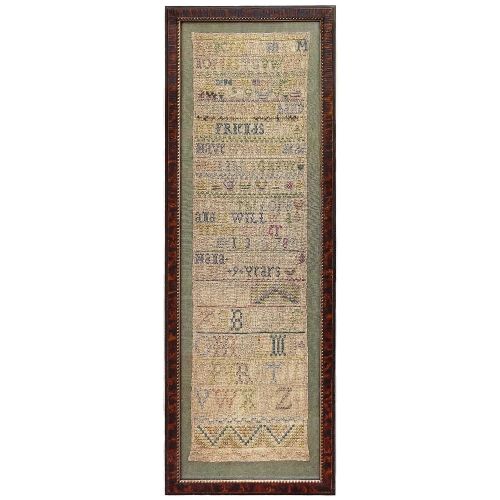
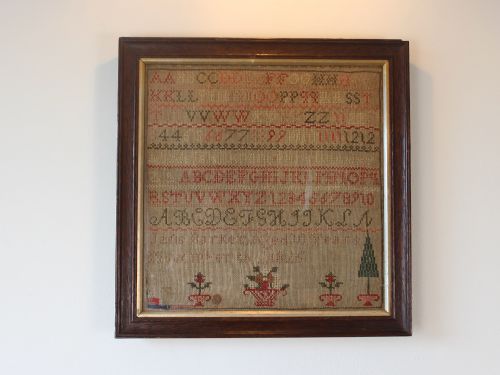
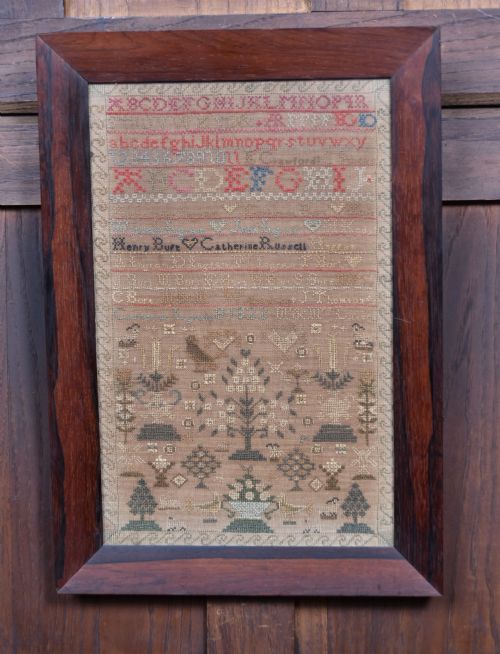
A georgian stitch sampler comprises textile wall art and framed embroidery executed by young makers, often recording a name, age, and date alongside traditional alphabets and religious verses. These pieces span the eighteenth and nineteenth centuries, including specific reigns from George II to Victoria, and represent domestic needlework created across various regions.
The most common examples encountered here are nineteenth-century and Georgian needlework samplers framed behind glass, worked with silk thread and wool on a linen ground. They function as both historical records and decorative textile panels, preserving the names of makers such as Sarah Reading, Mary Mason, and Elizabeth Horn.
How they were made
Makers constructed these works using linen as the foundational fabric, applying thread, silk thread, and wool to form rows of alphabets, numbers, and pictorial motifs. The embroidery relied on counted thread techniques executed by hand, demanding considerable precision from young practitioners.
Finished panels received mounting within wood frames, frequently protected beneath glass to preserve the delicate textile fibres from environmental damage and handling over subsequent centuries.
Georgian Stitch Sampler Retail Price Guide 2026
Typical asking prices for georgian stitch sampler among the pieces listed under this phrase on Sellingantiques today, from the lower quarter to the upper quarter. They describe what is for sale here now, not the wider market.
Young maker Louiss Elkins thoughtfully recorded her exact age of twelve years directly into the stitches of her nineteenth-century sampler.
What varies in quality
The distinction between standard examples and superior pieces rests on the complexity of the stitched design, the variety of alphabets or pictorial elements employed, and the clarity of the maker's lettering. Works incorporating detailed religious texts, such as the Lord's Prayer or the Commandments, demonstrate greater ambition than simple alphabet exercises.
Condition and legibility govern desirability, particularly the survival of the original linen ground and the vibrancy of the silk thread or wool work. Pieces that retain precise dates, named makers, and early wood frames present a more complete historical record.
The Georgian Stitch Sampler Glossary
- Linen
- The woven fabric ground used as the foundation for the embroidery stitches in these samplers. It provides the grid structure necessary for counted thread work.
- Alphabet sampler
- A specific form of needlework focusing primarily on rows of letters and numbers. These panels served as instructional exercises for developing stitch proficiency.
- Textile wall art
- A descriptive term for framed needlework panels intended for display. These objects combine historical documentation with decorative domestic utility.
- Needlepoint
- A form of embroidery stitched on a stiff open-weave canvas or linen ground. It creates a dense surface pattern that covers the foundation material entirely.
- Framed textiles
- Needlework pieces mounted and protected behind glass within a wood frame. This presentation safeguards delicate fibres from dust and physical wear.
Georgian Stitch Sampler: Frequently Asked Questions
What is a georgian stitch sampler?
A georgian stitch sampler is a hand-worked textile panel created by a young maker to demonstrate proficiency in needlework, often featuring alphabets, numbers, and verses.
These pieces were typically framed and displayed in domestic interiors, preserving names and dates that connect modern collectors directly to eighteenth and nineteenth-century education.
How can I tell the age of a sampler?
Age is frequently established through stitched dates, maker names, and stylistic indicators such as lettering formats and verse subjects associated with specific historical reigns.
Materials like linen grounds and framing methods also provide physical evidence of the period in which the textile was constructed.
What materials were used?
The primary materials consist of a linen foundation worked with thread, silk thread, and wool in various counted stitches.
Finished samplers were mounted in wood frames and protected behind glass to ensure the preservation of the delicate textile components.
How were these samplers originally used?
Makers created them as educational exercises to practice lettering, numbering, and decorative stitching under instruction at home or in school.
Once completed, the panels were framed and hung as decorative items that reflected the accomplishment and diligence of the young maker.