






Georgian Sterling Creamer
A georgian sterling creamer is a small silver vessel shaped to serve milk or cream, prized by collectors for domestic heritage and period metalwork.
Georgian Sterling Creamer
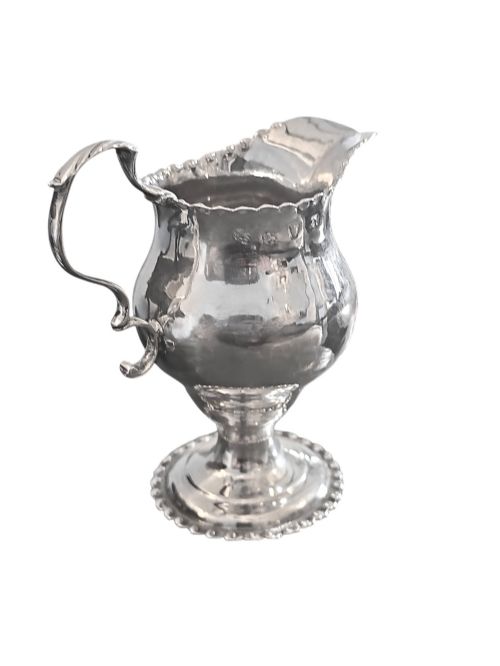
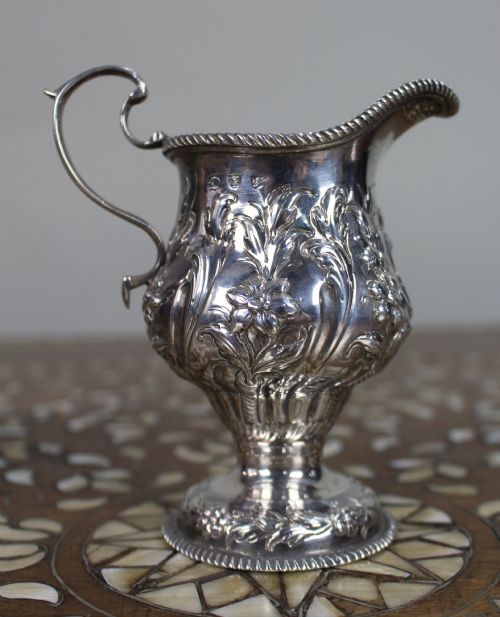
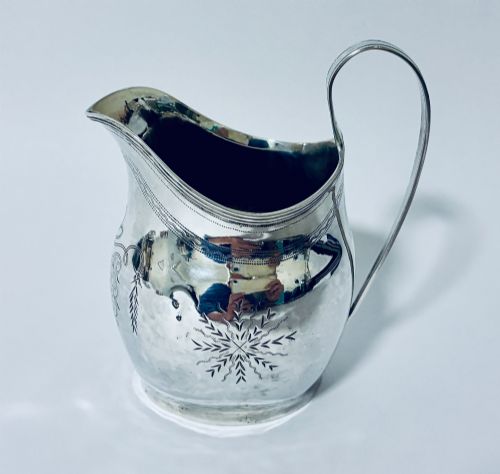
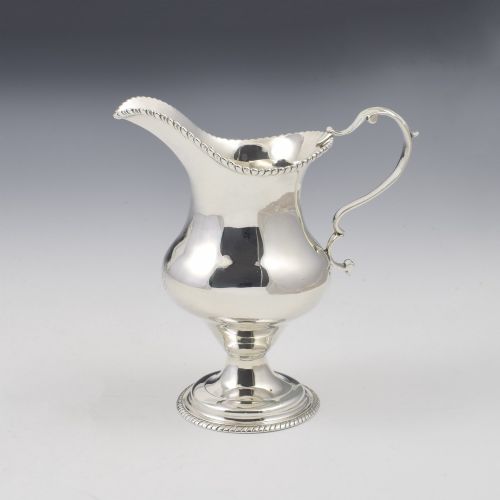
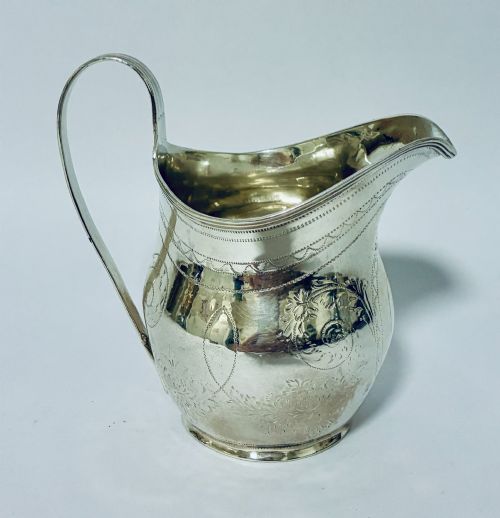
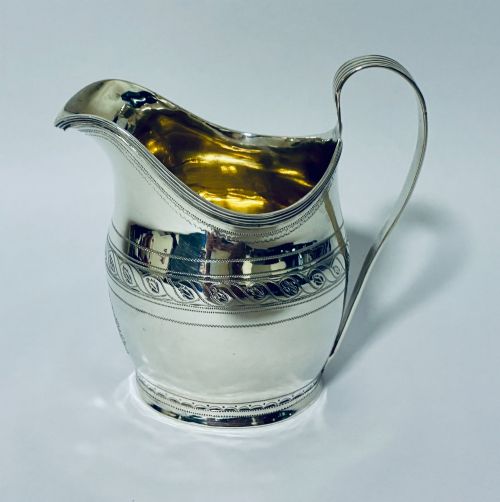
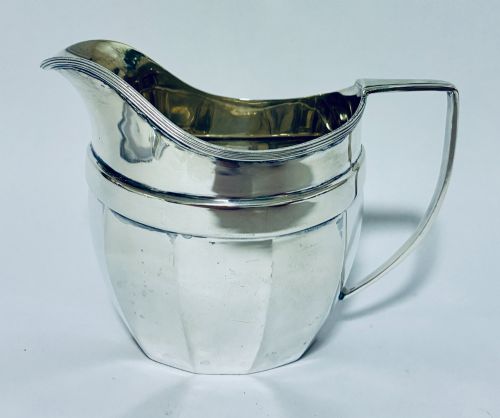
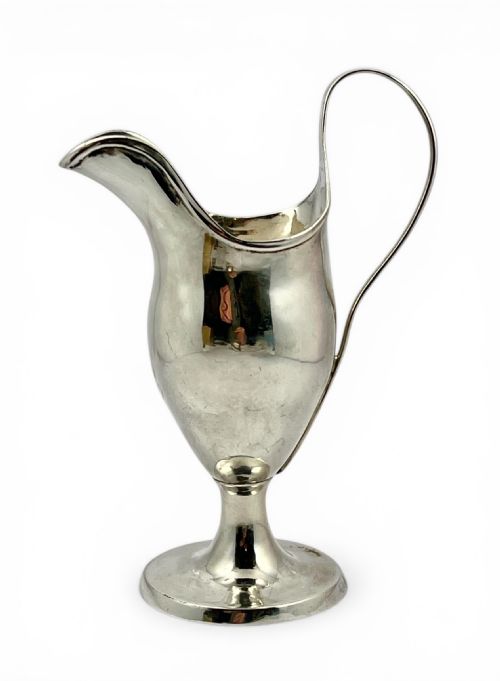
A georgian sterling creamer is a domestic vessel designed for pouring milk or cream, most commonly found in the form of helmet jugs, sparrow beak jugs, and footed ewers. These pieces frequently date to the eighteenth and nineteenth centuries, reflecting the domestic tea and coffee rituals of the period.
The versions most likely to meet a buyer on this page are sterling silver jugs carrying hallmarks from London, Exeter, Newcastle, or provincial Scottish and Irish makers. They range from plain domestic forms to items with bright cut engraving and Rococo styling.
Makers working during the reigns of George II, George III, and George IV shaped these creamers into distinct silhouettes, including helmet shapes and sparrow beak pours. Buyers encounter these alongside later twentieth century iterations inspired by earlier designs.
How they were made
Silversmiths formed these creamers from solid sterling silver, shaping the metal through hammering, raising, and soldering techniques. Many examples incorporate cast handles and feet attached securely to the main body.
Surface decoration on these vessels includes bright cut engraving, chased Rococo motifs, and applied borders. Some interiors feature a gilt finish, known as gold wash or silver gilt, applied to protect the silver from acidic contents.
Georgian Sterling Creamer Retail Price Guide 2026
Typical asking prices for georgian sterling creamer among the pieces listed under this phrase on Sellingantiques today, from the lower quarter to the upper quarter. They describe what is for sale here now, not the wider market.
Listings feature sterling silver, gilt surfaces, and gold wash finishes across Georgian, Victorian, and Regency periods.
What varies in quality
The standard of a georgian sterling creamer depends upon the clarity and crispness of its provincial or metropolitan hallmarks, which confirm the maker and assay office. Crispness in bright cut engraving and chased detailing separates superior silversmith work from simpler production.
Proportion and weight dictate the presence of quality in these jugs, seen in the balance of the handle, the formation of the spout, and the gauge of the silver used. Integrity of form, particularly in delicate spouts like sparrow beak designs, marks the work of skilled makers.
Stalker and Mitchison·James Gordon·John Emes·Peter and Ann Bateman·George Unite·Robert Pringle and Sons·Joseph Craddock
The Georgian Sterling Creamer Glossary
- Sterling silver
- A silver alloy containing 92.5 percent pure silver and 7.5 percent other metals, typically copper, used for durability in tableware.
- Hallmark
- An official stamp applied to silver objects to indicate the standard of purity, the assay office, and the date letter.
- Helmet jug
- A creamer shape featuring a flared rim and footed base resembling a classical helmet, popular during the eighteenth century.
- Sparrow beak
- A small, pointed spout characteristic of early eighteenth century cream jugs, designed for a controlled pour.
- Silver gilt
- Silver that has been coated with a thin layer of gold on the interior or exterior surface.
- Bright cut engraving
- A technique using faceted cuts made with a sharp graving tool to create geometric and floral patterns that reflect light.
Georgian Sterling Creamer: Frequently Asked Questions
What is a sparrow beak creamer?
A sparrow beak creamer is an early form of small silver jug featuring a distinctive, pinched spout that resembles the beak of a sparrow. These pieces date predominantly to the first half of the eighteenth century and were made for small table settings.
Collectors prize them for their compact proportions and early domestic associations. They represent an early stage in the evolution of tea and coffee service accessories.
How do I identify a Georgian hallmark?
Georgian hallmarks typically consist of a maker's mark, a purity standard mark such as the lion passant, an assay office mark indicating the city, and a date letter. These stamps are usually located on the base or near the rim of the jug.
Reference books and online registers help match the letter shapes and town marks to specific years and silversmiths. This information confirms the exact period of manufacture.
What is silver gilt on a cream jug?
Silver gilt refers to solid sterling silver that has received a thin coating of gold across its surface, often applied exclusively to the interior of the jug. This gold wash protected the silver from tarnishing when exposed to dairy.
Many period creamers retain traces of this internal gilding. It provides a warm contrast to the exterior silver finish.
How were helmet creamers used?
Helmet creamers served as dedicated vessels for holding and pouring cream during tea and coffee services in the eighteenth century. Their wide bases and flared rims allowed for stability on dining and tea tables.
They functioned alongside teapots, sugar basins, and slop bowls as part of matched or assembled tea sets. Today, they serve both as decorative display items and functional tableware.