
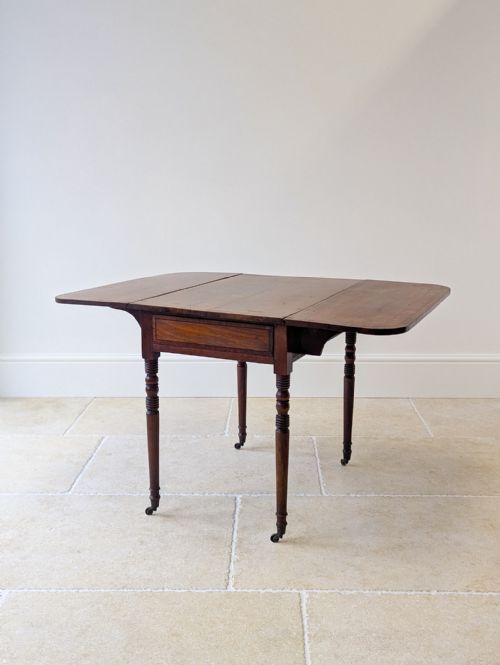
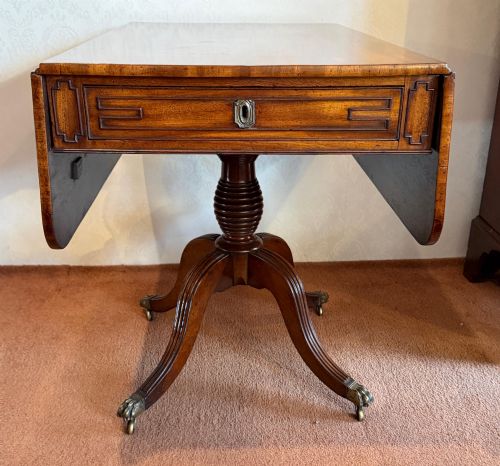
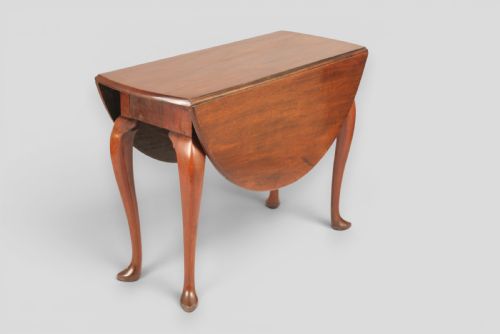
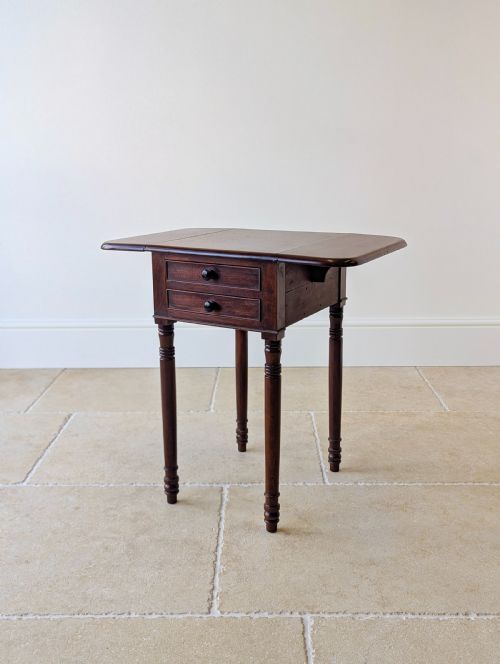


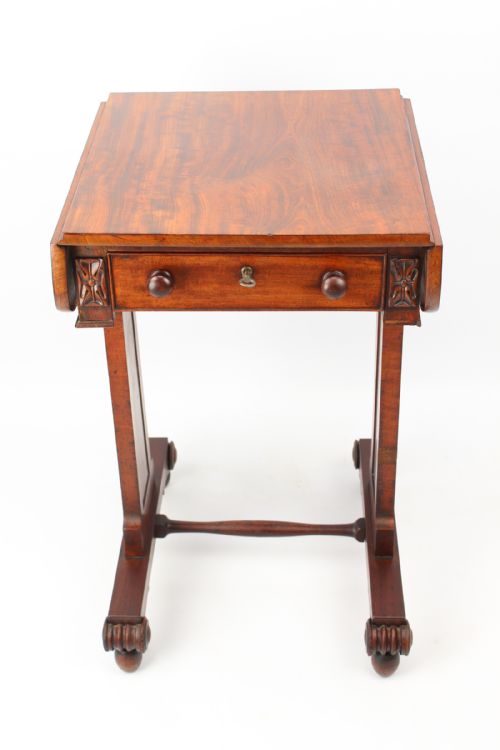

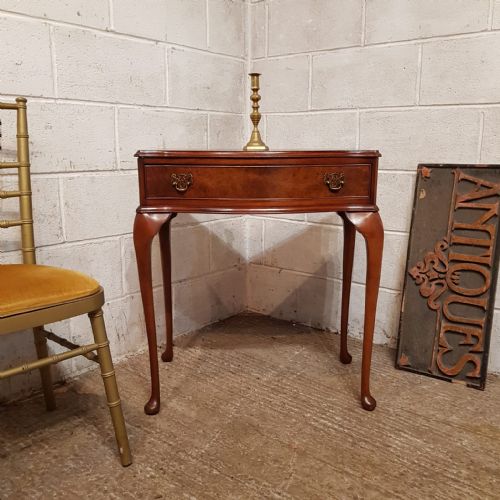


Georgian Small Sofa Table
A georgian small sofa table offers compact elegance, bringing slender proportion and clever drop leaves to nineteenth-century rooms.
Georgian Small Sofa Table
When you search for a georgian small sofa table, you enter a field populated by versatile drop-leaf designs spanning the Georgian, Regency, and Victorian eras. These pieces bridge the gap between functional writing surfaces and light occasional tables suited to tight spaces.
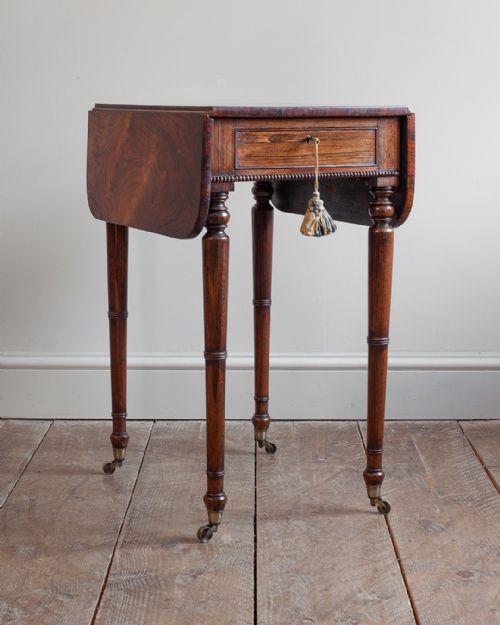
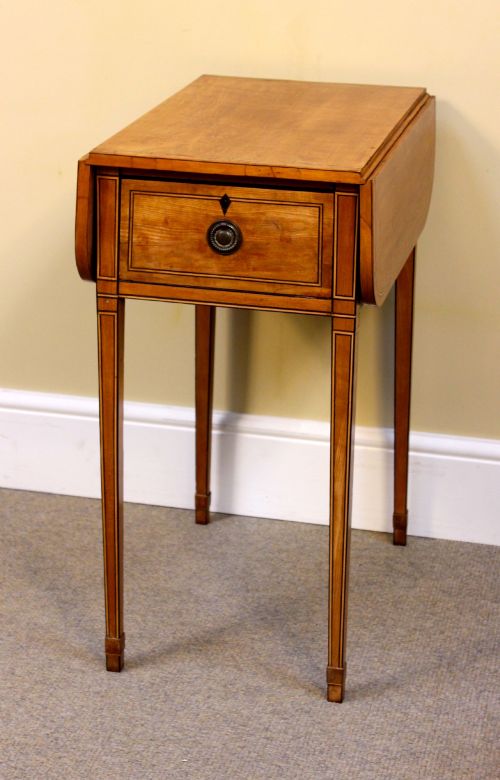
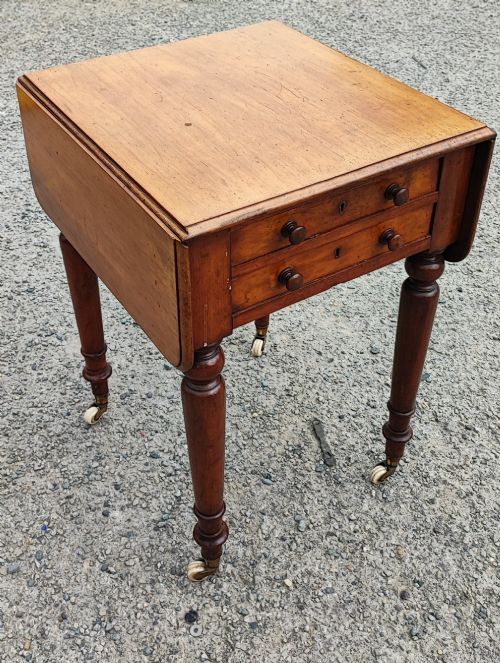
You are most likely to encounter mahogany and rosewood variants on this page, often featuring drop flaps, drawers, and slender upright supports. The selection ranges from unpretentious country house fruitwood examples to sophisticated satinwood and burr walnut creations.
Origins stretch across the eighteenth and nineteenth centuries, taking in periods such as Regency, Edwardian, and Queen Anne Revival. The forms themselves shift fluidly from side tables and pembroke tables to lowboys and specialised writing desks.
Materials and Construction
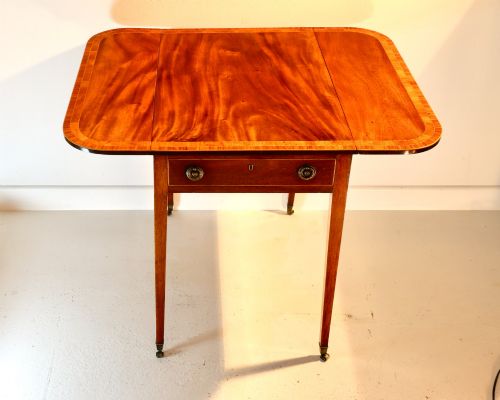
Cabinetmakers relied heavily on rich timbers like mahogany, rosewood, and walnut, frequently enhancing surfaces with satinwood, boxwood inlay, and ebony stringing. These durable woods provided the structural integrity required for pivoting drop leaves and sliding drawers.
Fine brass castors, handles, and occasional marble inserts complete the hardware palette, anchoring lightweight frames to the floor with stability. Construction techniques prioritize clean joints and hinged flaps that operate smoothly without straining the central pillar.
Listings span the Georgian, Regency, and Victorian periods, with mahogany and rosewood dominating the structural materials.
Gradations in Quality
The division between standard output and top-tier pieces rests entirely on timber selection, figure density, and inlay crispness. A superior table displays carefully matched grain patterns across the leaves and drawer fronts, alongside restrained, precise stringing.
Structural harmony also dictates value, where slender columns, balanced proportions, and tight joinery ensure the piece remains rigid when extended. Lesser items often rely on heavier, uninspired stock timber and lack the refined detailing found in documented cabinetmaker work.
Williamson·Willmington and Cope
The Georgian Small Sofa Table Glossary
- Pembroke table
- A small occasional table featuring hinged drop leaves on two opposing sides, often equipped with a drawer. It was designed to be moved easily around a room.
- Drop-leaf table
- A table with a fixed central section and hinged flaps that fold down to save space. When raised, the flaps are supported by swing brackets or pivoted legs.
- Satinwood
- A durable, hard exotic timber exhibiting a lustrous golden sheen, frequently utilised for veneering and decorative inlay work.
- Stringing
- A thin strip of contrasting wood or light-coloured material inlaid into furniture surfaces to create geometric borders.
- Lowboy
- A small eighteenth-century dressing or side table featuring one or more rows of drawers beneath a flat top, supported by slender legs.
Georgian Small Sofa Table: Frequently Asked Questions
What is a georgian small sofa table used for?
These pieces served multiple functions in period interiors, acting as writing desks, serving surfaces, or lamp tables beside seating. Their hinged flaps allowed them to sit flat against a wall when floor space was limited.
Today, they adapt effortlessly to modern living rooms and hallways as compact display surfaces or occasional writing desks.
How do I identify a genuine period piece?
Examine the timber closely for natural ageing, hand-cut dovetails within the drawers, and traditional construction methods appropriate to the eighteenth or nineteenth century. Secondary woods inside the frame should match the expected regional practices of the era.
Compare the proportion of the central column and leg fittings against known Regency and Georgian design standards.
Are drop leaves sturdy enough for daily use?
The hinged flaps rely on wooden swing brackets or pivoting legs designed to bear moderate weight without sagging. They provide a stable surface for writing, lamps, or serving tea.
Avoid placing excessive downward force on the extreme outer edges of extended leaves to protect the pivot hinges.
What is the difference between a pembroke and a sofa table?
Pembroke tables typically feature two smaller drop leaves and an oblong top, often designed primarily for occasional writing or breakfast use. Sofa tables were traditionally built longer and narrower to sit directly behind a sofa.
Both forms overlap frequently in historical listings due to their shared drop-leaf mechanics and compact proportions.