


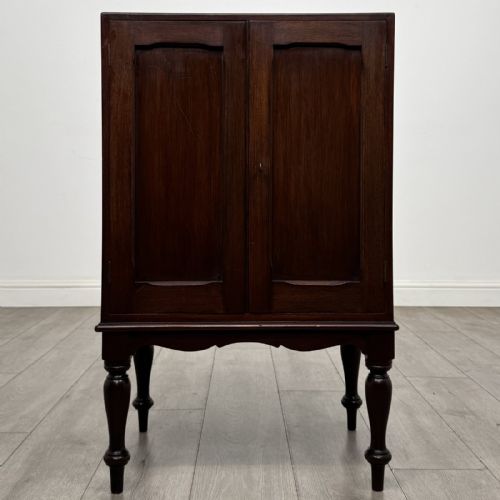
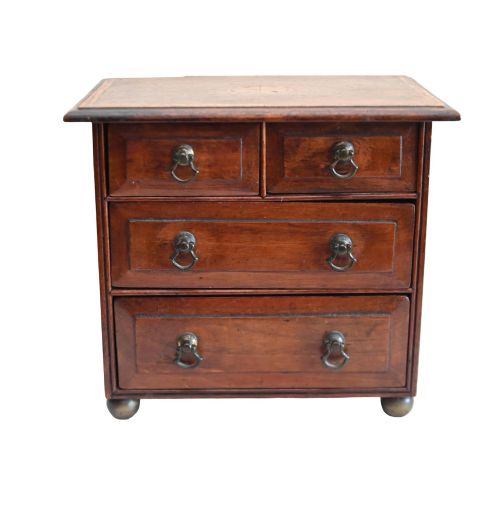
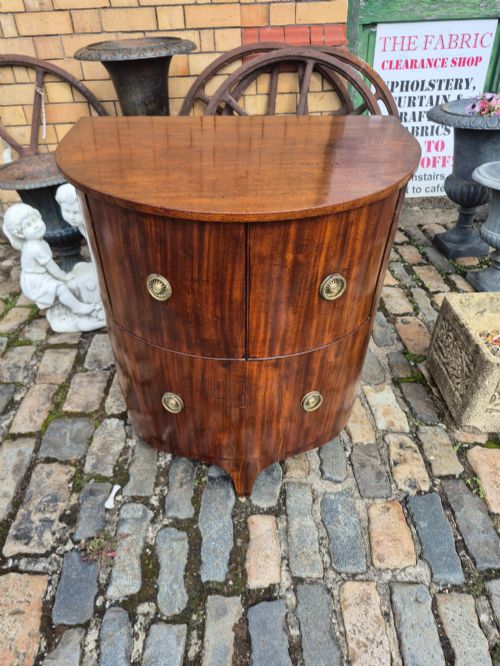
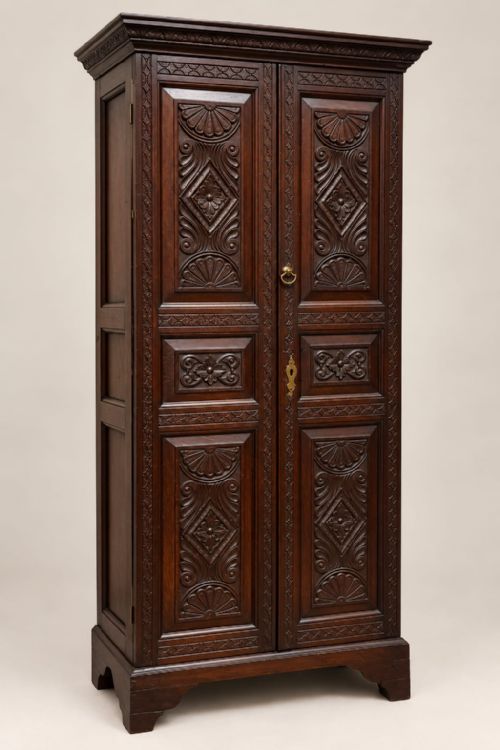
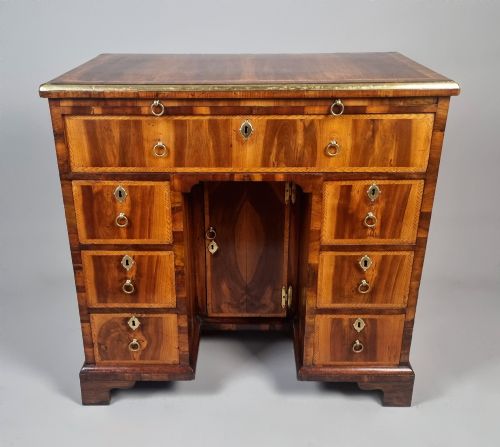


Georgian Small Cupboards
Georgian small cupboards are compact timber storage pieces from the eighteenth century and subsequent revival periods, offering practical scale and period character for intimate rooms.
Georgian Small Cupboards
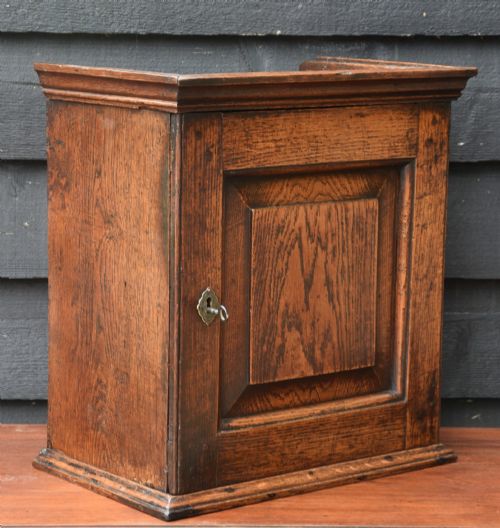
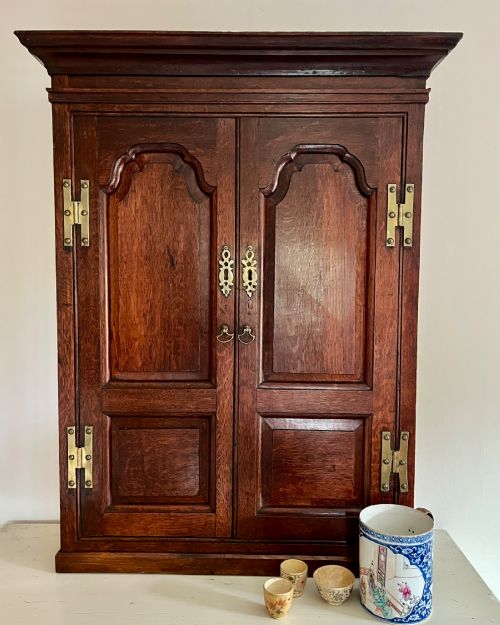
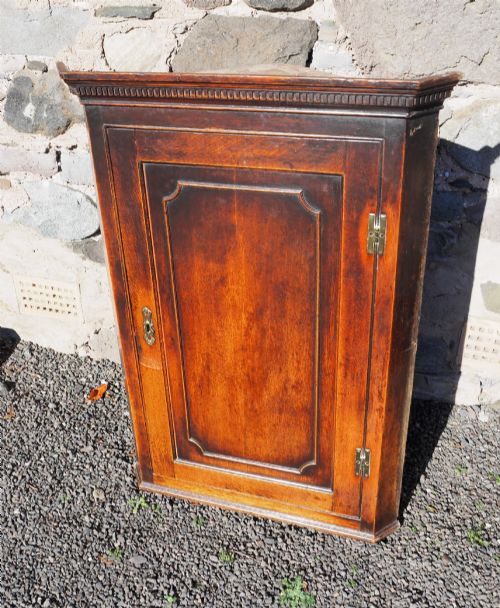
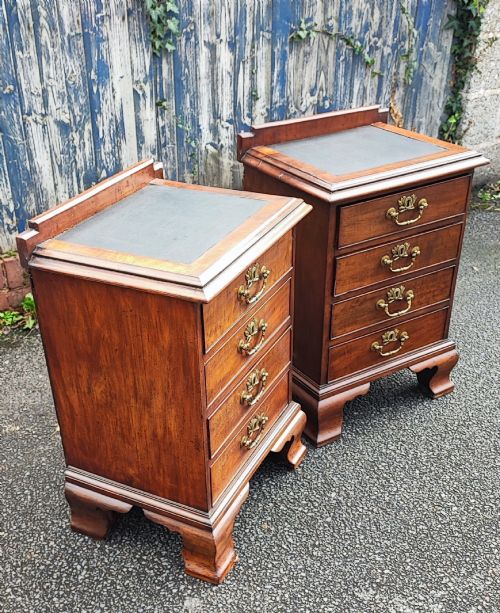
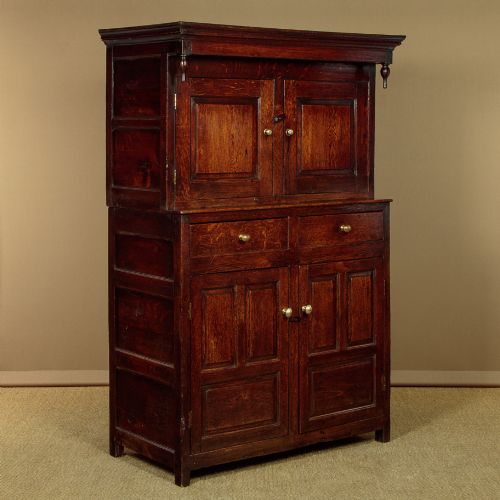
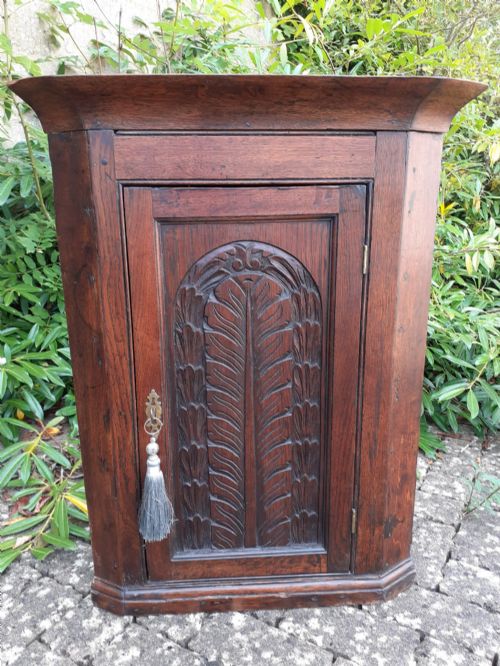
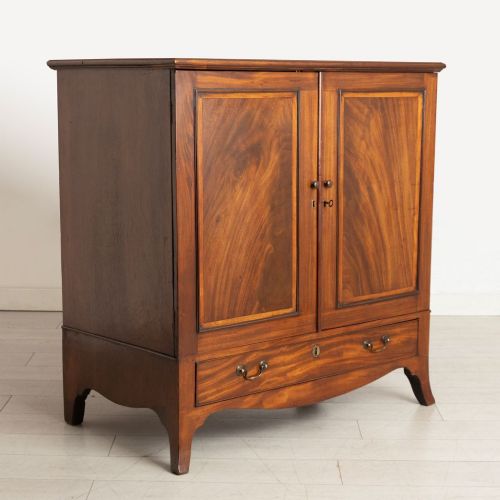
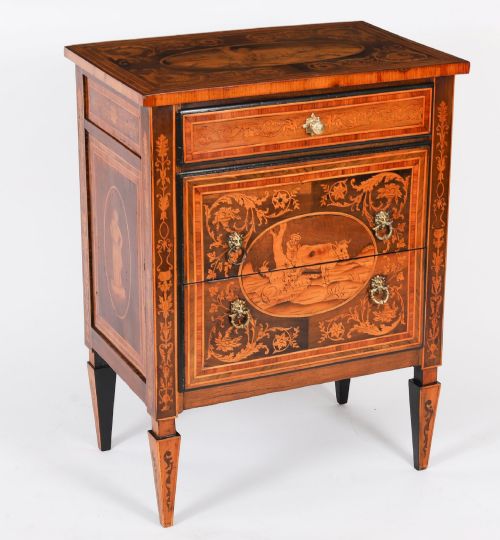
When you search for georgian small cupboards, you encounter a focused selection of compact timber furniture designed for storage in smaller domestic spaces. The listings encompass hanging corner cupboards, bedside cabinets, spice cupboards, and dwarf press cupboards originating primarily from the eighteenth century alongside later revival periods.
You are most likely to meet mahogany and oak corner cabinets or bedside tables spanning the Georgian era and Edwardian interpretations. These pieces deliver enclosed shelving or small drawer storage whilst maintaining a modest footprint suited to period and modern interiors alike.
How they were made
Cabinet makers utilised dense native and imported timbers, predominantly relying on oak and mahogany for structural integrity and longevity. Walnut, satinwood, fruitwood, and pine appear across specific forms, often enhanced by decorative marquetry, brass hardware, and turned legs.
Construction techniques combine traditional joinery with functional hardware such as brass hinges and working locks with keys. Hanging iterations incorporate internal wall fixings, while freestanding examples utilise bracket feet, baluster turned legs, or cabriole supports.
Georgian Small Cupboards Retail Price Guide 2026
Typical asking prices for georgian small cupboards among the pieces listed under this phrase on Sellingantiques today, from the lower quarter to the upper quarter. They describe what is for sale here now, not the wider market.
Several diminutive close stools masquerade as polite bedside chests, proving that eighteenth-century privacy demands occasionally required ingenious disguise.
What varies in quality
The standard of timber selection and figure dictates the visual appeal of each cabinet, distinguishing plain utility pieces from finely grained examples. Mahogany with rich depth or quarter-sawn oak with distinct medullary rays represents superior material choice.
Execution of detail defines the upper tier, seen in crisp carved mouldings, well-fitted panelled doors, and original brasses. Coarser construction, replaced timber sections, or heavy later alterations place examples further down the range.
The Georgian Small Cupboards Glossary
- Corner cupboard
- A triangular cabinet designed to fit directly into the corner of a room to maximise space. These occur as hanging wall units or floor-standing pieces.
- Spice cupboard
- A diminutive wall-mounted box featuring a small door enclosing internal drawers for storing culinary provisions. Early examples frequently utilise solid oak.
- Linen press
- A tall or low double-door storage carcase containing internal sliding trays or shelves for textiles. Dwarf versions provide reduced height while retaining interior capacity.
- Pot cupboard
- A small bedside cabinet or night stand constructed to house a chamber pot. They typically feature a single door above a cupboard base or a drawer configuration.
Georgian Small Cupboards: Frequently Asked Questions
What rooms suit georgian small cupboards best?
Their compact proportions make these cupboards versatile additions to hallways, studies, and bedrooms where floor space is limited. Hanging corner variants utilise dead wall space efficiently.
Freestanding bedside cabinets and small side cabinets integrate easily beside seating or beds to provide concealed storage for everyday items.
How do I identify a true eighteenth century piece?
Examine the timber construction, secondary woods inside drawers, and hand-cut joinery details. Eighteenth-century carcases often show pegged mortise and tenon joints and hand-planed surfaces.
Hardware placement, timber shrinkage patterns, and patination accumulated over centuries help differentiate genuine period items from later nineteenth-century revivals.
Were corner cupboards meant to be hung or stood?
Both formats exist within the period, determined by the original architectural intent of the room. Hanging wall cabinets feature internal fixing brackets or hanging loops integrated into the backboards.
Floor-standing corner cupboards rest on bracket feet or plinths, remaining entirely independent of wall support while occupying the same geometric angle.
How do I care for antique mahogany and oak?
Keep timber furniture away from direct heat sources and rapid humidity fluctuations to prevent wood splitting or warping. Maintain the finish with occasional applications of traditional beeswax.
Avoid silicone-based polishes that build up a hazy film over time, and lift pieces rather than dragging them across floors to protect structural joints.