


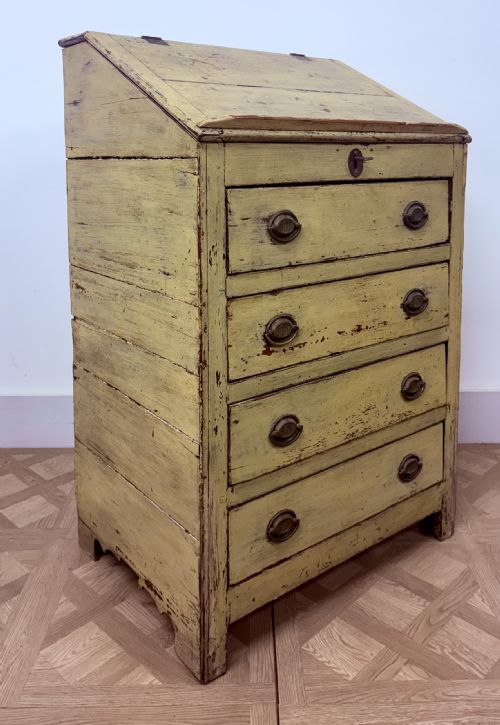
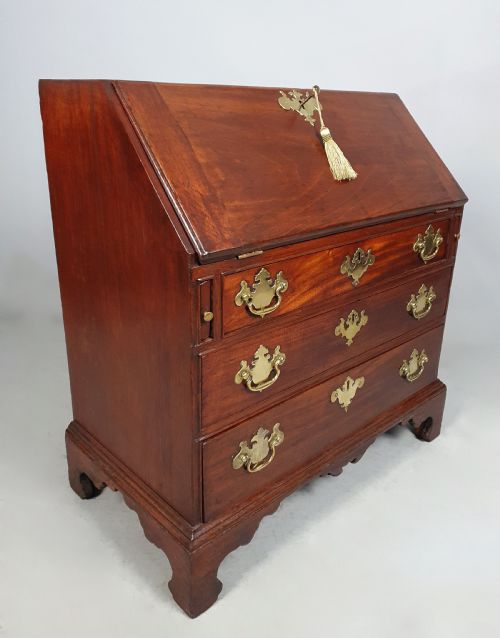
Georgian Sloped Writing Desk
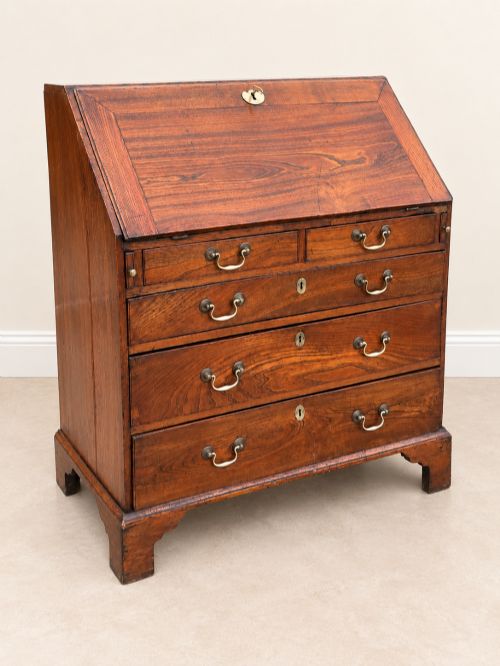
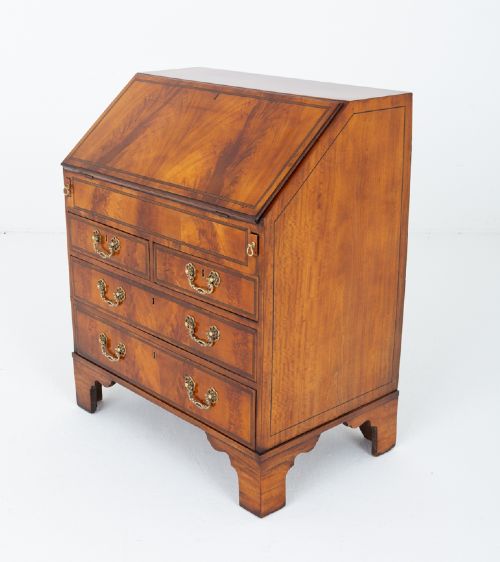
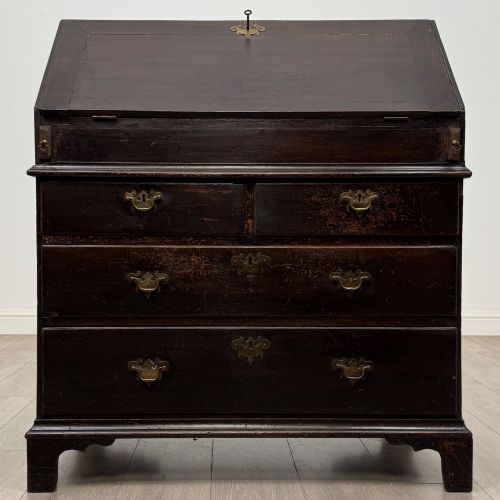
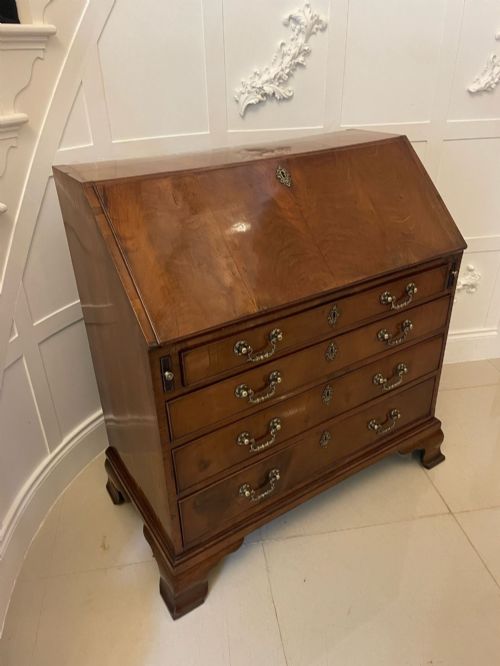
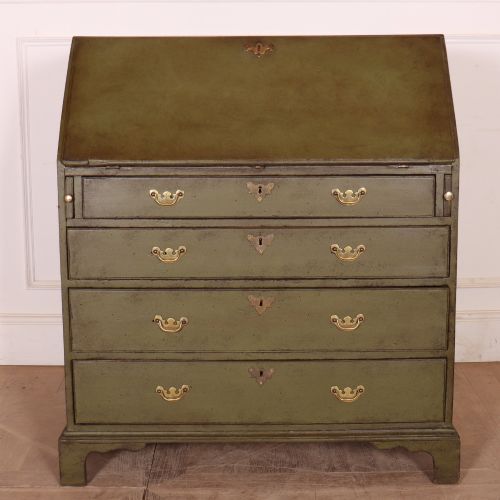
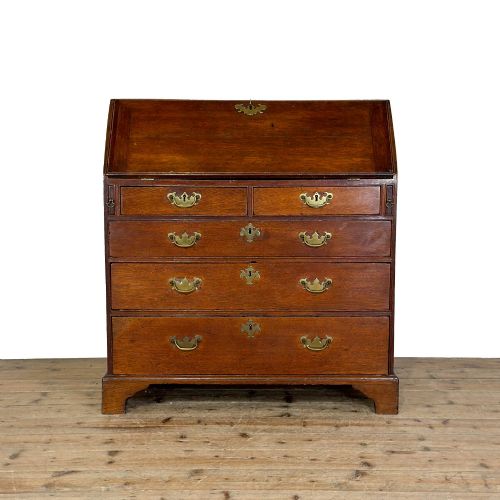
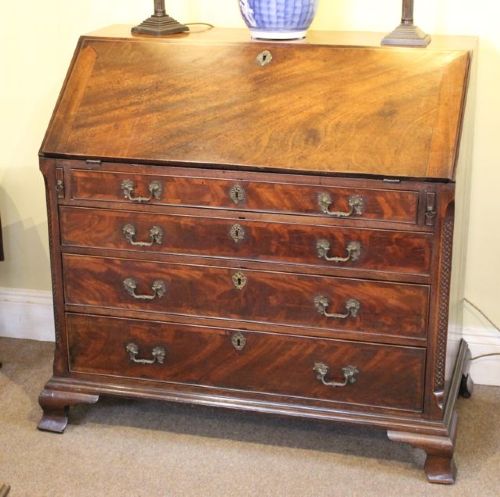
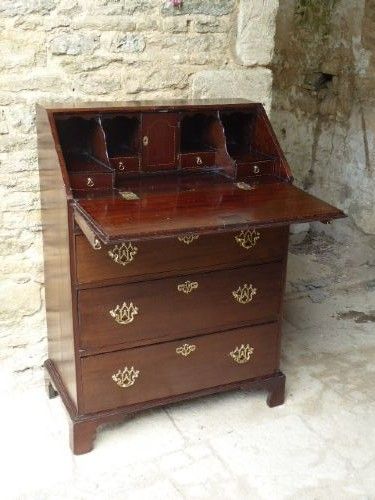
A georgian sloped writing desk offers a hinged fall front or sloping lid that opens to reveal fitted pigeonholes and drawers for correspondence.
Georgian Sloped Writing Desk
When you search for a georgian sloped writing desk, you encounter pieces spanning the eighteenth and early nineteenth centuries, encompassing the Georgian, Regency, and Queen Anne periods. The primary forms on this page include bureaux, writing slopes, and bureau bookcases designed for domestic correspondence and estate management.
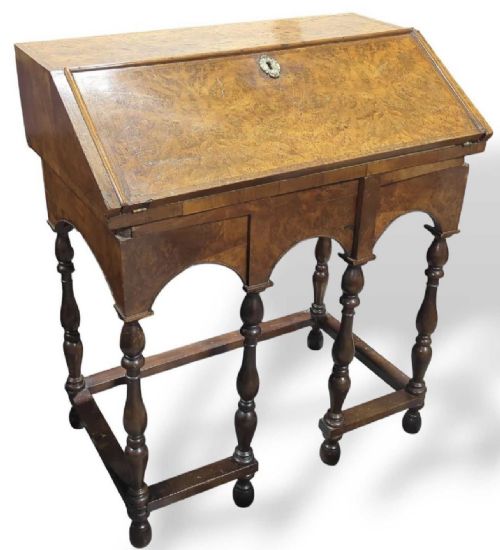
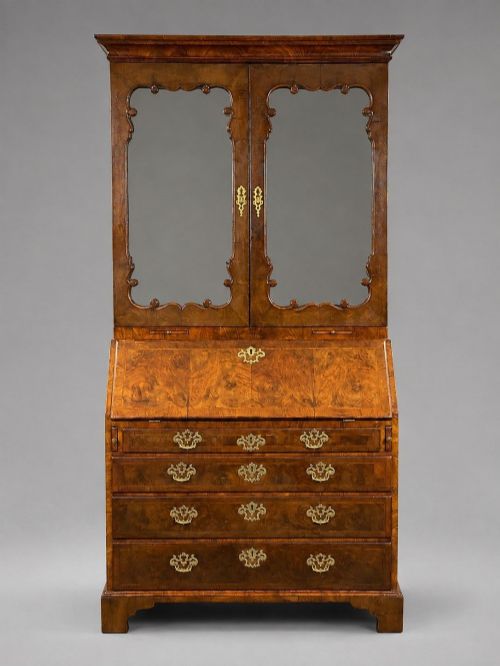
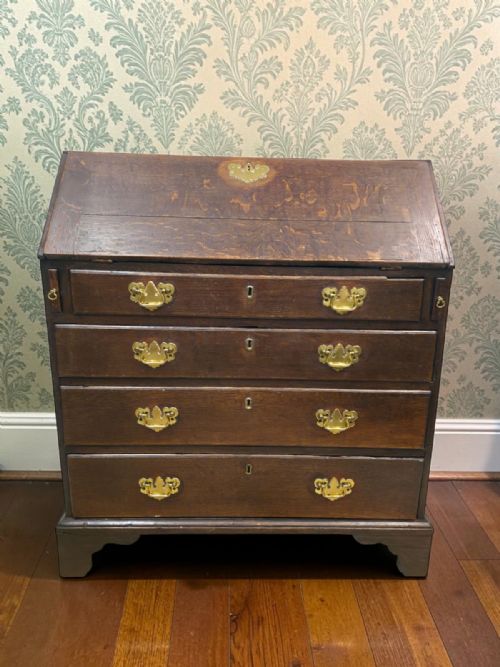
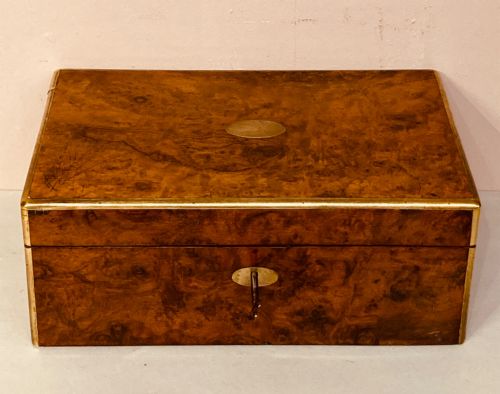
Mahogany and oak dominate the material palette, alongside figured walnut, burr walnut, rosewood, and yew wood. Many examples take the form of a bureau with a sloping fall front that rests on lopers when opened, while others appear as portable writing slopes or desks on stands.
Cabinetmakers constructed these writing pieces in regional workshops and urban centres, employing local timbers like oak alongside imported hardwoods such as mahogany and padauk. The scale ranges from petite fruitwood examples to large clerks' desks and tall bureau bookcases.
Assessing quality and proportion
The choice of timber grain and figure defines the visual merit of a piece, with matched burr walnut and flame mahogany representing the upper tier of cabinetmaking. Timber selection extends to secondary woods, where the use of solid oak or cedar throughout the interior indicates superior workshop standards.
Proportion and the retention of original surface patination distinguish finer examples from standard vernacular pieces. The integration of fitted interior drawers, clean sight lines when the fall front closes, and original ironwork or brass hardware contribute to the standing of the desk.
Several compact writing desks conceal tiny secret drawers operated by hidden spring releases behind the pigeonhole partitions.
Gillows of Lancaster
The Georgian Sloped Writing Desk Glossary
- Bureau
- A writing cabinet featuring a sloping hinged lid that drops to form a writing surface. It typically encloses a set of small drawers and pigeonholes.
- Fall front
- The hinged sloping lid of a bureau or desk that opens forward to provide a flat writing surface. It is supported by pull-out wooden lopers when open.
- Lopers
- Wooden arms or rails that pull out from the front framework of a bureau to support the open fall front. They prevent the hinges from bearing the full downward weight.
- Davenport
- A compact form of small desk featuring a sloped writing top above a pedestal of drawers. Many examples incorporate side drawers and stationary compartments.
- Writing slope
- A portable box with a slanted hinged lid designed for writing correspondence while travelling or moving between rooms. The interior stores paper, inkwells, and pens.
Georgian Sloped Writing Desk: Frequently Asked Questions
What is a georgian sloped writing desk?
A georgian sloped writing desk is a piece of antique furniture designed for correspondence, featuring an angled writing surface that often conceals internal compartments and small drawers.
These pieces range from portable wooden writing boxes to full-scale walnut and mahogany bureaux with chest bases.
How do I use a bureau desk?
To use a bureau desk, you pull out the wooden lopers from the front frame and lower the hinged fall front to create a horizontal writing ledge.
The internal pigeonholes and miniature drawers organise letters, documents, and writing implements.
What woods were used in these desks?
Cabinetmakers constructed these desks using native timbers such as oak, elm, and fruitwood alongside imported exotic hardwoods.
Mahogany, walnut, burr walnut, rosewood, and padauk frequently appear, often enhanced by decorative veneer figures and crossbanding.
How do I date a georgian writing desk?
Dating relies on observing structural characteristics, timber choices, hardware styles, and construction techniques like dovetailing.
Earlier pieces from the Queen Anne and George I periods often feature figured walnut and padauk, while later eighteenth and nineteenth-century examples display mahogany and rosewood.