



Georgian Silver Wine Stands
Georgian silver wine stands are classic table pieces designed to protect surfaces, and a collector wants genuine period heft and crisp detailing.
Georgian Silver Wine Stands
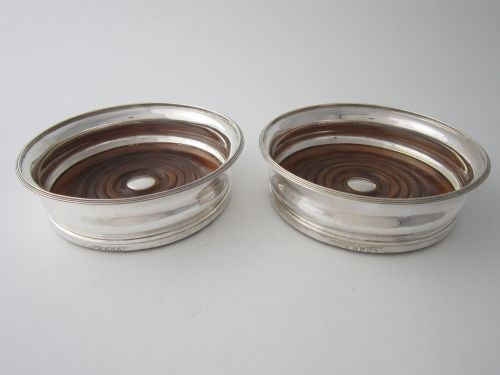
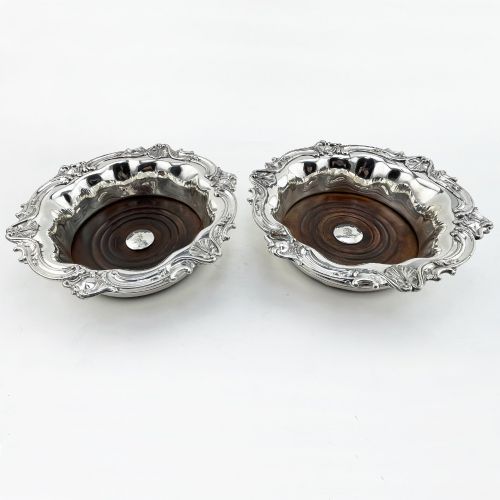
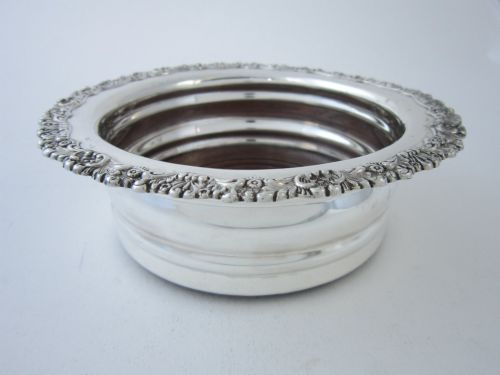
Georgian silver wine stands and related wine coasters appear in various forms, including single items and matched pairs from the nineteenth century. Most examples function as wine bottle coasters or stands designed for dining tables, utilising sterling silver, silver plate, and Old Sheffield plate.
Makers integrated sturdy wooden bases in oak and mahogany beneath silver mounts to support heavy glass and ceramic bottles. These combinations reflect the functional requirements of nineteenth-century dining rooms where wine bottles moved across polished mahogany surfaces.
How they were made
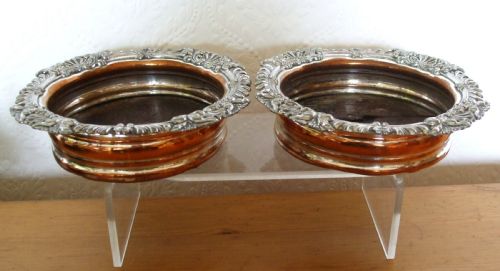
Silversmiths utilised sterling silver and Old Sheffield plate, fusing thin layers of silver to copper bases through heat and pressure. This technique created durable items with the visual appeal of solid silver at a different cost point.
Makers incorporated turned wood bases made of oak and mahogany, attaching them securely to metal rims using specialised mounts. The woodwork received careful polishing to contrast with the reflective qualities of the surrounding silver and copper elements.
Georgian Silver Wine Stands Retail Price Guide 2026
Typical asking prices for georgian silver wine stands among the pieces listed under this phrase on Sellingantiques today, from the lower quarter to the upper quarter. They describe what is for sale here now, not the wider market.
Object forms include standard wine coasters, multi-bottle frames, and vase-shaped goblets from the Georgian and Regency periods.
What varies in quality
Quality rests upon the crispness of the chased or pierced decoration around the rim and the integrity of the underlying metalwork. Stronger pieces retain clear hallmarks or maker marks and show minimal wear to the silver layer on Old Sheffield plate.
The joinery between the metal gallery and the wooden base distinguishes standard production from finer workshop output. Well-executed pieces maintain a tight, stable fit between the turned wood and the silver mount without visible gaps.
Matthew Boulton
The Georgian Silver Wine Stands Glossary
- Old Sheffield Plate
- A method of fusing silver to a copper core developed in the eighteenth century. This technique produces durable tablewares that reveal faint hints of copper beneath high-wear areas over time.
- Sterling Silver
- An alloy containing a high proportion of pure silver combined with other metals for strength. Items bearing this designation meet strict fineness standards and carry official assay office hallmarks.
- Wine Coaster
- A small, portable tray or stand designed to hold a bottle and protect table linen from drips. These accessories often feature felt or turned wood on the underside.
- Regency
- A stylistic period spanning the early nineteenth century characterised by classical restraint and neoclassical motifs. Pieces from this era often display clean geometric lines and refined proportion.
Georgian Silver Wine Stands: Frequently Asked Questions
What is Old Sheffield Plate?
Old Sheffield Plate is an early fusing technique where a sheet of silver is bonded to a copper ingot. This method creates items that combine the appearance of solid silver with structural durability.
Over decades of polishing, the underlying copper may show softly through the silver surface, particularly along raised edges and high-wear points.
How do I clean these coasters?
Maintenance requires mild silver polish applied gently with a soft cloth to avoid removing thin plating layers. Wood bases should remain dry and protected from excessive moisture during cleaning.
Harsh chemical dips and abrasive pads will damage both the silver surfaces and the historic wooden inserts.
Why do some have wooden bases?
Turned wood bases made from oak and mahogany provide stability and weight to the bottom of the stand. This prevents heavy glass wine bottles from tipping over during use.
The wood also absorbs minor impacts when sliding across polished dining tables.
How are periods identified?
Period identification relies upon stylistic markers, construction methods, and official hallmarks stamped directly into the metal. George III pieces reflect distinct neoclassical design elements compared to later Victorian or Edwardian interpretations.
Weight, edge decoration, and the presence of copper lines in the metal further assist in narrowing the date of manufacture.