



Georgian Silver Table Salt
When you search for georgian silver table salt, you are tracking down masterworks of dining room silver that bring period elegance to the table.
Georgian Silver Table Salt
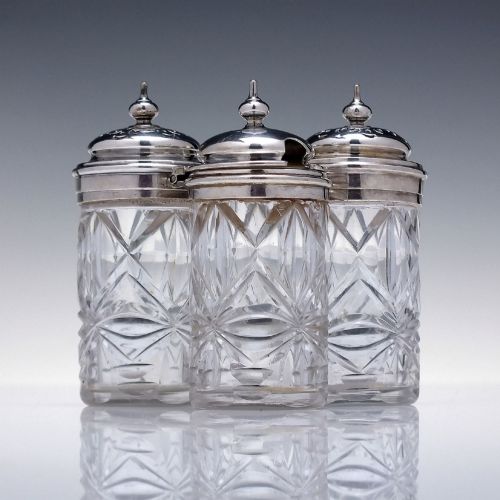
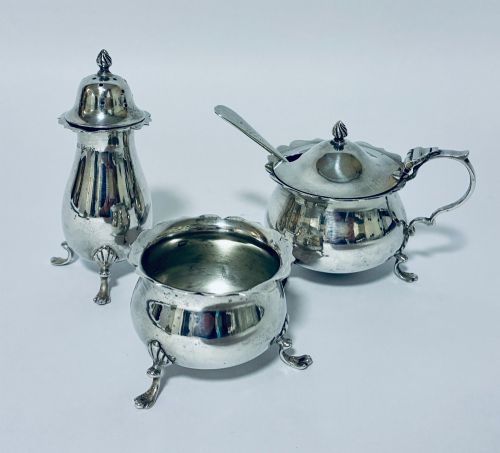
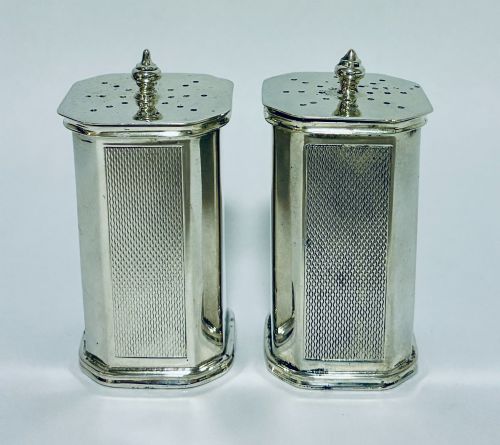
When you search for georgian silver table salt, you are looking at small vessels designed to hold seasoning at the dining table. The pieces found here span salt cellars, condiment sets, and cruet stands from the Georgian era alongside later revivals.
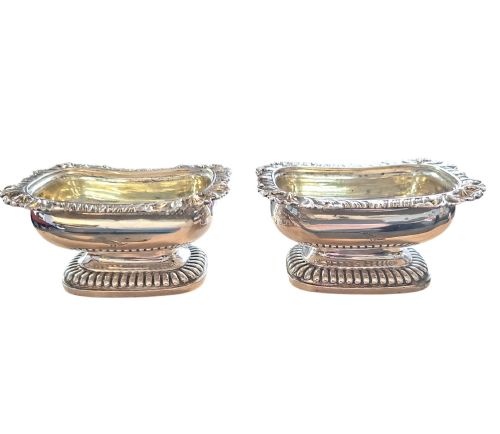
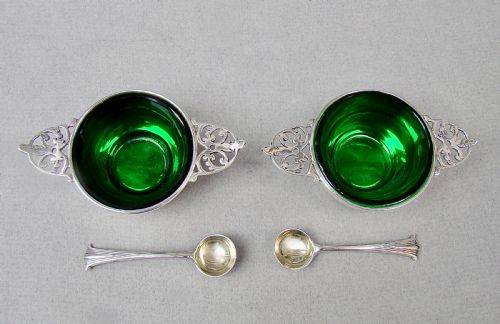
You are most likely to meet open salt cellars, often paired or set in matched groups, which sit low on the table to receive pinches of salt. These range from simple cauldron forms to boat-shaped designs and scallop shells.
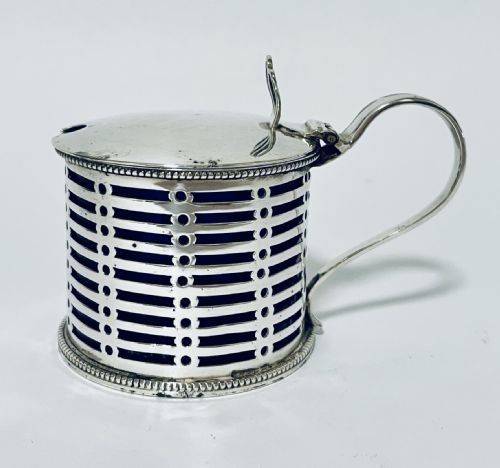
Makers shaped these items from solid silver and sterling silver, frequently pairing the metal with glass liners in blue or green. Some examples feature gilt interiors or silver gilt finishes to protect the metal from corrosive salt.
How they were made
Silversmiths utilised sterling silver and solid silver, hammering and casting the metal into robust forms designed for daily dining use. Many pieces incorporate cut glass and coloured glass liners, such as blue glass and green glass, fitted neatly within the metal framework.
Master craftsmen applied techniques like chasing, embossing, and gilding to create rich textures and warm interior colours. Vermeil and silver gilt finishes were brushed onto the inner surfaces to prevent the salt from tarnishing the silver.
Georgian Silver Table Salt Retail Price Guide 2026
Typical asking prices for georgian silver table salt among the pieces listed under this phrase on Sellingantiques today, from the lower quarter to the upper quarter. They describe what is for sale here now, not the wider market.
The inventory spans the Georgian era, Victorian period, and early twentieth-century revivals.
What varies in quality
The distinction between ordinary and exceptional salt cellars rests on the weight of the silver and the crispness of the chased or cast detail. Pieces by notable silversmiths display superior handling of naturalistic flower designs and rococo motifs.
The survival of original components, such as matched glass liners and complete cased sets, elevates a piece significantly. Heavier gauge silver and cleanly struck hallmarks indicate higher workshop standards.
Josiah Williams & Co·David Hennell·William Bateman·Paul Storr·Edward Farrell·Viners
The Georgian Silver Table Salt Glossary
- Trencher salt
- A heavy, low-profile salt cellar designed to sit directly on the dining table without legs. These early forms often feature octagonal or circular bases.
- Salt cellar
- An open vessel used to hold loose salt on the table before the invention of the spring-loaded shaker. They frequently require a small spoon for serving.
- Cruet set
- A matched frame holding multiple bottles or castors for condiments such as oil, vinegar, pepper, and salt. These stands often feature a central carrying handle.
- Gilt interior
- A gold wash applied to the inside of a silver vessel to protect the metal from the corrosive action of salt or mustard. This technique adds a warm yellow contrast to the exterior silver.
- Quaich
- A traditional two-handled drinking vessel adapted in some Victorian and Edwardian novelty pieces to serve as a salt cellar.
Georgian Silver Table Salt: Frequently Asked Questions
How were salt cellars used historically?
Dinners used these small vessels to hold coarse salt within arm's reach of guests at the table. Dinners would pinch the salt out using their fingers or small salt spoons.
In larger households, grand cruet sets and matched pairs of salt cellars marked the status of the host. They sat alongside mustard pots and pepper casters as part of the formal table service.
How do I care for silver salt cellars?
Wash silver salt cellars promptly after use because salt corrodes silver very quickly if left in contact with the metal. Remove glass liners before cleaning to wash them separately.
Polish the silver gently with a quality cloth designed for precious metals to maintain the shine. Avoid harsh abrasive cleaners that wear down the hallmarks and fine chasing.
Are glass liners original to the salts?
Original glass liners fit snugly into the silver framework and match the exact contours of the vessel. Blue glass and green glass liners are typical for pieces dating from the eighteenth and nineteenth centuries.
Replacements are common because the original glass was fragile and prone to breakage over generations of use. Collectors look for liners that sit correctly and show appropriate age wear.
How do I identify the date?
Silver pieces carry hallmarks that include date letters, assay office symbols, and maker's marks stamped directly onto the metal. These stamps provide precise information on when and where the item was made.
Stylistic clues such as rococo scrolls, naturalistic floral designs, or neoclassical boat shapes also help narrow down the period of manufacture.