



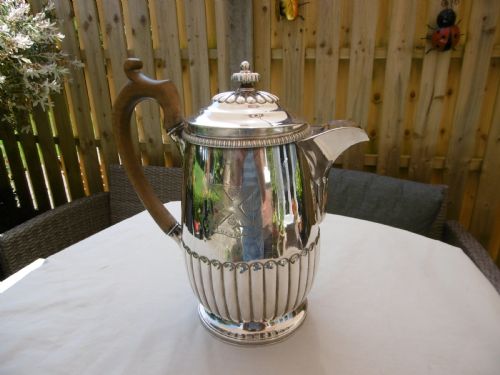

Georgian Silver Pot
A georgian silver pot brings tangible history to the table, offering the substantial weight and craftsmanship of eighteenth and nineteenth-century metalwork for daily use.
Georgian Silver Pot
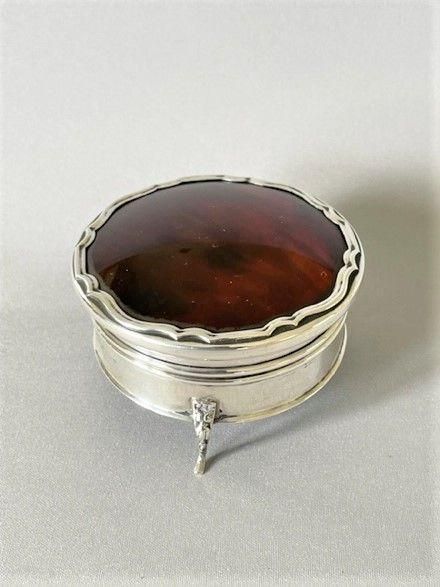
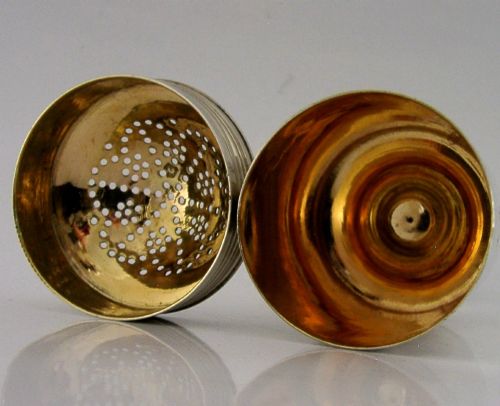
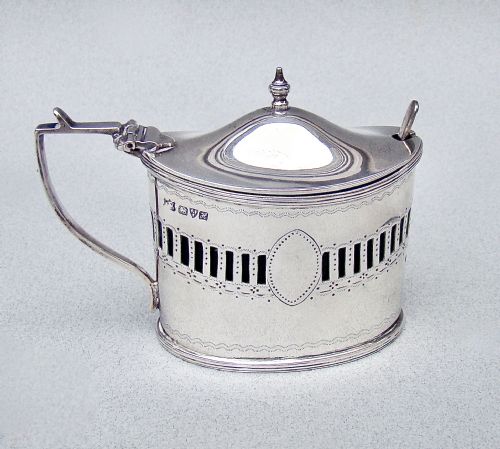
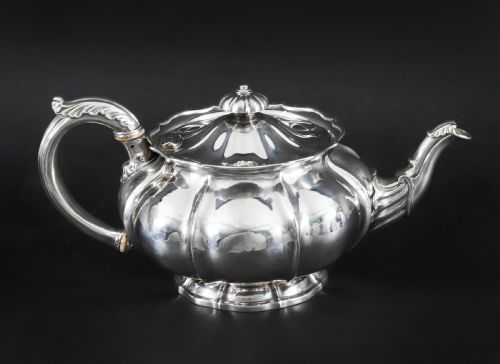
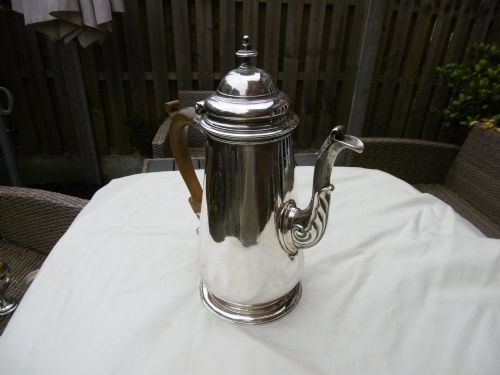
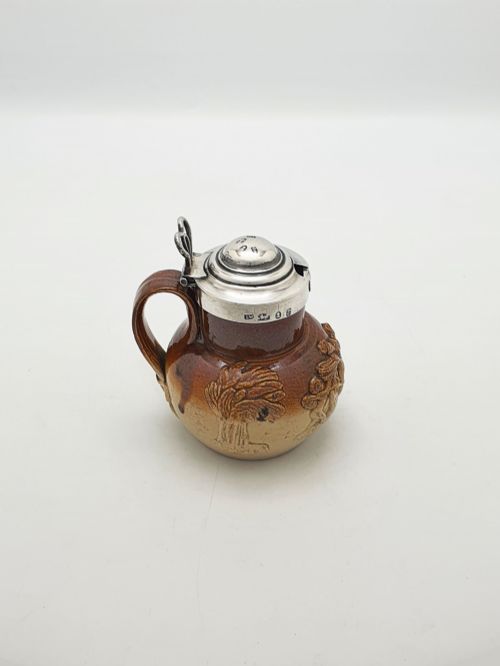
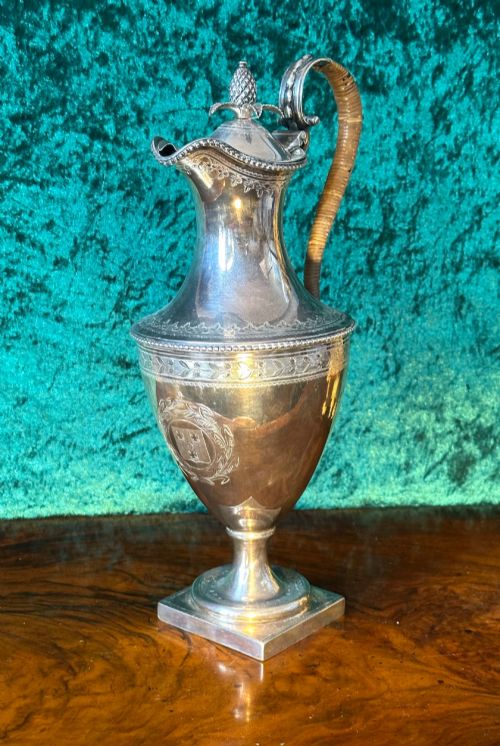
When searching for a georgian silver pot, buyers encounter a diverse selection of domestic vessels spanning teapots, coffee pots, mustard pots, and condiment casters. The listings show these vessels originating primarily from the Georgian period alongside later revivals, executed in sterling silver, Old Sheffield plate, and occasionally paired with stoneware or wood.
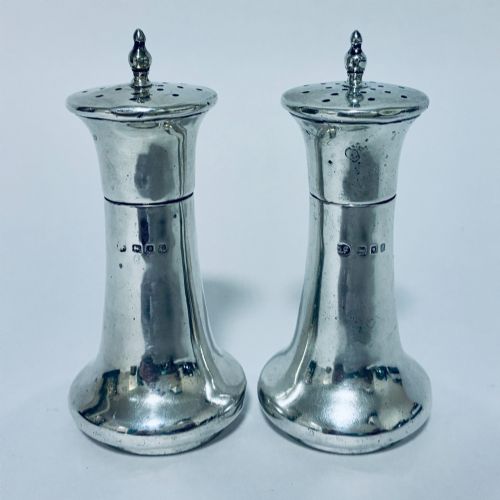
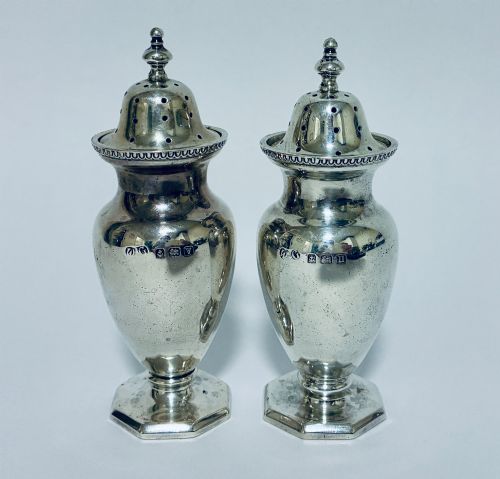
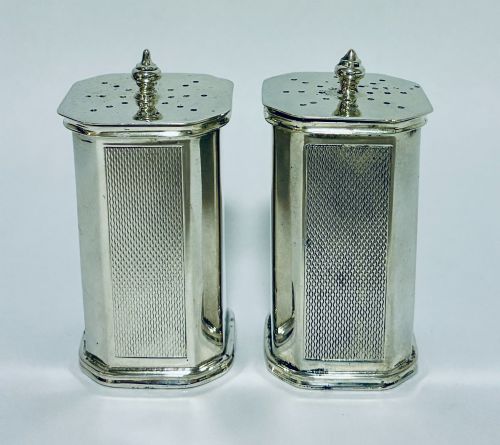
Teapots and coffee pots dominate the larger hollowware forms, while smaller vessels like pounce pots, muffineers, and mustard pots represent the condiment wares of the dining table. Many of these pieces display regional assay marks from provincial English and Irish makers, alongside London hallmarks.
The aesthetic vocabulary ranges from plain, undecorated George III bodies to the elaborate chased motifs of Regency design and later twentieth-century revivals. Buyers will find that functional beverage servers and small tabletop containers share the same period sensibilities and metalworking traditions.
Materials and construction methods
The primary material across these pieces is sterling silver, worked by hand into hollowware bodies through raising and spinning techniques, then finished with cast handles, finials, and feet. Silversmiths employed soldering to assemble complex forms such as spouts and collars onto the main body.
Old Sheffield plate forms a distinct category of manufacture, fusing a thin sheet of silver to a thicker copper core before shaping into coffee pots and argyles. This layered composite material required skilled edge-plating or wire reinforcement to conceal the exposed copper seams at the rims.
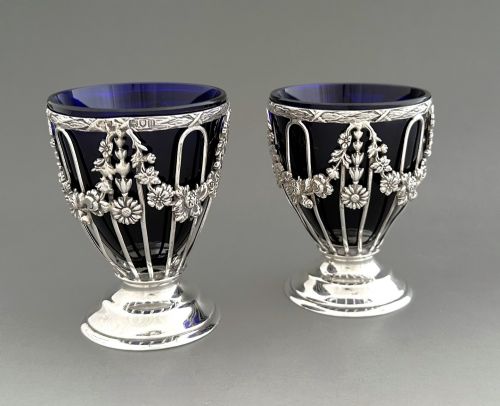
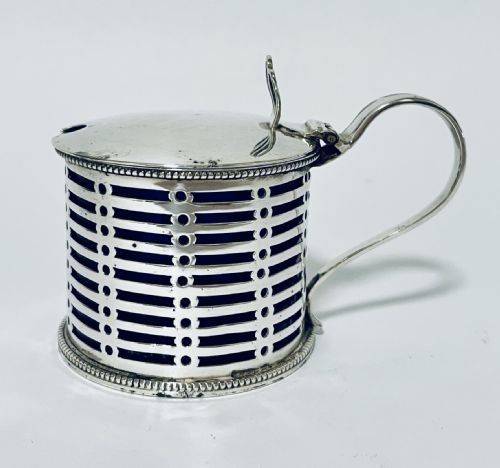
Secondary materials appear selectively to aid function, including wooden handles that insulated against heat during tea service, bone insulators on metal loops, and glass liners fitted inside open-work condiment tubs and mustard pots.
Georgian Silver Pot Retail Price Guide 2026
Typical asking prices for georgian silver pot among the pieces listed under this phrase on Sellingantiques today, from the lower quarter to the upper quarter. They describe what is for sale here now, not the wider market.
Materials recorded across these domestic vessels include sterling silver, Old Sheffield plate, copper, tortoiseshell, wood, glass, and bone.
Distinguishing quality in period hollowware
Quality rests significantly on the heft and gauge of the metal, where heavier sterling silver pots demonstrate greater durability and substantial hand-presence. Master silversmiths maintained uniform wall thickness during the raising process, avoiding undue thinning at the base or shoulders.
The crispness of chased decoration and the smoothness of soldered joints reveal the maker's skill. Superior pieces feature cleanly articulated crests, tight hinge fittings on mustard pots and inkstands, and well-balanced handles that feel secure in the hand.
In Old Sheffield plate pieces, the preservation of the silver layer over the underlying copper determines overall merit. Exemplary examples exhibit minimal bleed-through of the base metal and retain their original applied silver wire borders.
Paul Storr·Matthew Boulton·Richard Gurney·James Goodwin·Robert Hennell I·Alfred Marston·Charles Stuart Harris
The Georgian Silver Pot Glossary
- Argyle
- A vessel used for serving hot gravy, featuring an internal compartment or jacket for boiling water to keep the contents warm. These items are frequently found in Old Sheffield plate from the eighteenth century.
- Pounce pot
- A small shaker used to sprinkle gum sandarac powder onto rough paper to prepare it for writing. They share a similar perforated shaker profile with muffineers and pepper pots.
- Muffineer
- A small caster or shaker used for dispensing sugar or salt onto food. They often appear with pierced domes and pedestal feet in Georgian silver.
- Old Sheffield plate
- An early form of plated metal produced by fusing a sheet of silver to a copper ingot. This composite material predates modern electroplating.
- Hallmark
- A series of official stamps applied to precious metals indicating the standard of purity, the assay office, the maker's mark, and the date letter. These marks provide definitive chronological anchors for antique pieces.
Georgian Silver Pot: Frequently Asked Questions
What is the difference between a coffee pot and a teapot?
Coffee pots are generally taller and narrower than teapots to accommodate the traditional brewing of coffee grounds. Teapots feature a broader, lower profile designed for steeping loose tea leaves.
Both vessels often share similar decorative motifs and handle configurations within the same period style, but their internal capacities and proportions reflect their distinct historical uses.
How do I know if a pot is solid silver or plated?
Solid silver pieces carry hallmark stamps indicating sterling standard purity, usually including a lion passant and an assay office mark. Plated items lack these official sterling hallmarks and may reveal a reddish copper hue where the outer silver layer has worn thin.
Old Sheffield plate pieces often display subtle seams or characteristics of fused metal construction rather than solid hallmarks.
Can I use an antique silver teapot for daily tea service?
Many collectors use their silver pots for special occasions, though modern cleaning routines require gentle care to preserve antique finishes. Wooden insulators on handles help protect against heat transfer, but thermal shock should be avoided.
Interior residues from tea tannins can be cleaned carefully with warm water and non-abrasive cloths without scrubbing the exterior hallmarks.
What was a pounce pot used for?
A pounce pot held fine powder derived from cuttlefish bone or resin, which writers sprinkled onto absorbent paper. This powder smoothed the paper surface and prevented ink from feathering.
These small shaker pots mirror the size and pierced lids of condiment casters but belong to the writing desk rather than the dining table.
How should I clean tarnished antique silver?
Tarnished silver responds best to non-abrasive cleaning cloths and specialised silver dips formulated for antiques. Avoid harsh scrubbing or abrasive pastes that can wear down engraved crests and maker marks.
Regular, gentle dusting and minimal chemical exposure help maintain the natural patina accumulated over centuries.