




Georgian Silver Decor
Georgian silver decor brings domestic elegance to a room, offering functional vessels and lighting created across the eighteenth and nineteenth centuries.
Georgian Silver Decor
When you search for georgian silver decor, you encounter a selection spanning domestic hardware and tableware from the Georgian period onward. The offerings on this page centre heavily on candlesticks, barometers, and serveware.
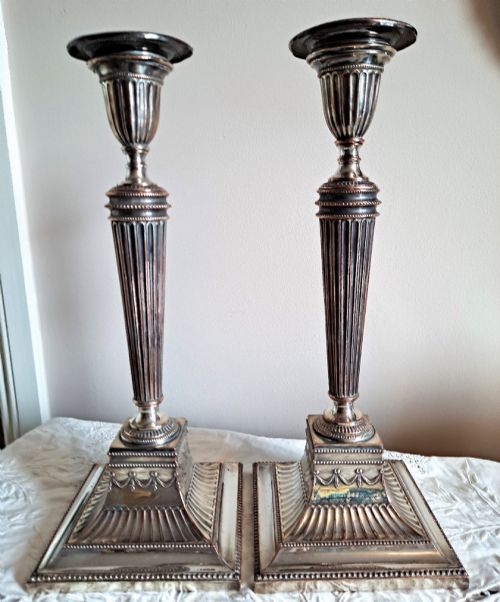
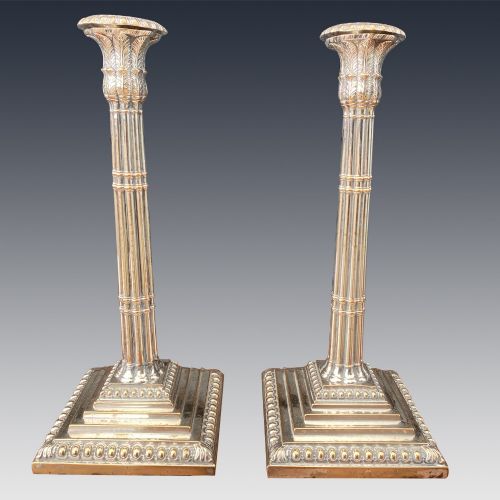
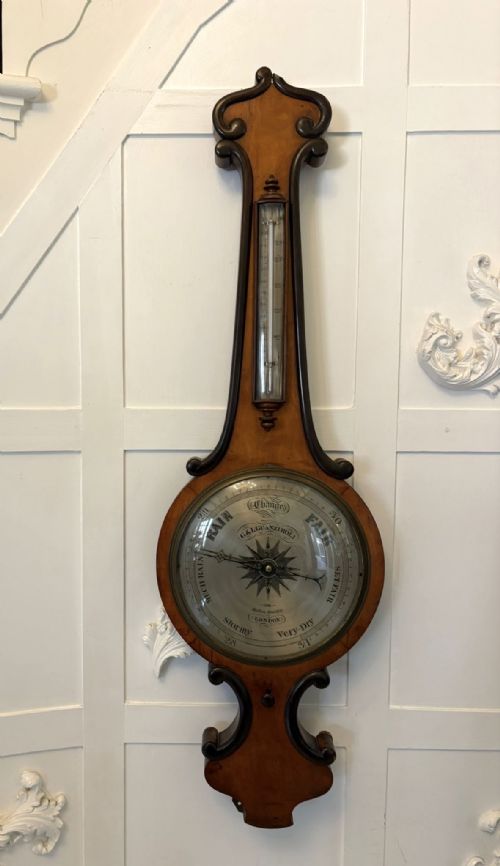
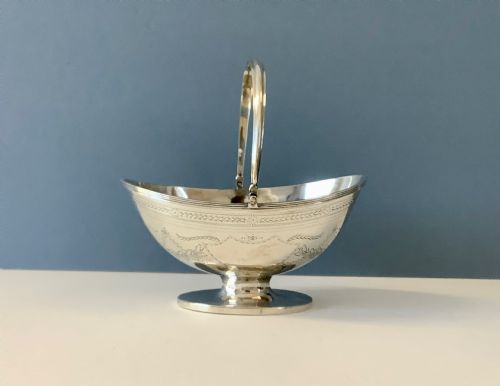
Candlesticks dominate the selection, appearing singly and in pairs from the eighteenth and nineteenth centuries. Alongside them sit wheel barometers, sugar baskets, tea caddies, and sauce tureens.
Materials extend beyond sterling silver to encompass Old Sheffield plate, paktong, glass, copper, and walnut. Styles range through Georgian Neoclassical, George III, Victorian, Edwardian, and Art Deco.
Materials and construction
Metals form the core of these items, utilising sterling silver, Old Sheffield plate, and paktong fashioned into candlesticks and hollowware. Cabinetmakers employed walnut for housing wheel barometers alongside brass components.
Makers shaped silver and plated copper through casting and raising techniques, often incorporating removable sconces on candlesticks. Glass inserts accompanied items such as sugar baskets.
Georgian Silver Decor Retail Price Guide 2026
Typical asking prices for georgian silver decor among the pieces listed under this phrase on Sellingantiques today, from the lower quarter to the upper quarter. They describe what is for sale here now, not the wider market.
Some barometers recorded weather shifts with enough precision to steer household laundry days long before satellite forecasts.
Judging the standard
Quality rests on the crispness of casting in metalwork and the preservation of original plating on Old Sheffield pieces. Crisp definition in neoclassical ornament distinguishes finer examples from simpler production.
Construction integrity in timber barometer cases and the presence of fully legible hallmarks on silver indicate superior manufacture. Complete sets, such as matching groups of four candlesticks, elevate the standard.
G and L Guanziroli·John Mackfarlan·William Grundy·Bianchi Ipswich·John Cafe
The Georgian Silver Decor Glossary
- Old Sheffield Plate
- A composite material made by fusing a thin sheet of silver to a thicker copper base. This technique preceded modern electroplating.
- Paktong
- A copper-nickel-zinc alloy originating in China that mimics silver. It gained popularity for durable eighteenth-century candlesticks.
- Wheel Barometer
- A mercury barometer housed in a wooden case featuring a circular dial read by a pointer. Walnut examples frequently incorporated humidity dials and mirrors.
- Sconce
- The detachable nozzle fitted to the top of a candlestick to catch melting wax. Removable versions simplified cleaning.
- Sugar Basket
- A small footed vessel used for holding lump sugar at the tea table. These often featured pierced silver designs lined with coloured glass.
Georgian Silver Decor: Frequently Asked Questions
How do I clean old silver decor?
Silver pieces require gentle cleaning with a specialist cloth to preserve the metal surface and any remaining detail. Avoid abrasive compounds that strip thin plating.
Items incorporating wood or glass need careful handling around mixed materials to prevent damage to backing components and frames.
Are these items suitable for daily use?
Many items serve practical functions today just as they did centuries ago, particularly candlesticks, tea caddies, and barometers. Placing them in domestic settings adds historic character to a room.
Care should be taken with plated items and delicate glass liners to ensure longevity during regular handling.
What is Old Sheffield plate?
Old Sheffield plate is an early fusion material where silver sheet is melted onto a copper core before rolling into sheets. This creates durable items with genuine silver surfaces.
Makers utilised this method extensively for candlesticks and tableware before the invention of electroplating.
How do I date a barometer?
Barometer dates are often determined by the style of the wood case, dial layout, and maker signature. Walnut wheel barometers became prominent during the nineteenth century.
Inscribed names on the face plate provide direct links to the makers and their working locations.