


Georgian Silhouette Artwork
Georgian silhouette artwork captures intimate likenesses in profile, offering a direct window into the faces of the past through delicate paper and ink.
Georgian Silhouette Artwork
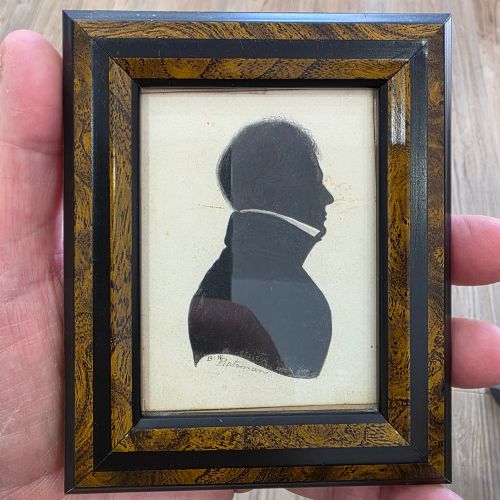
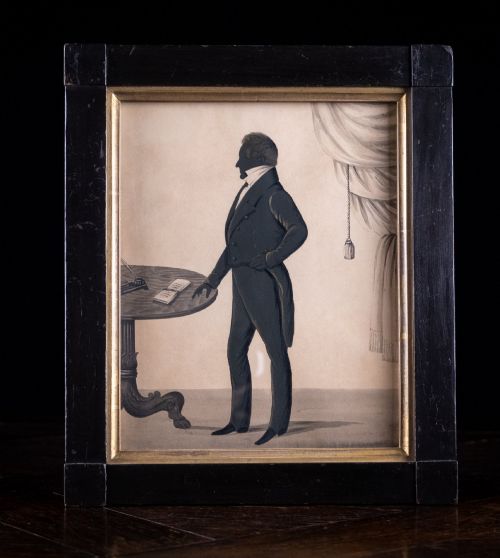
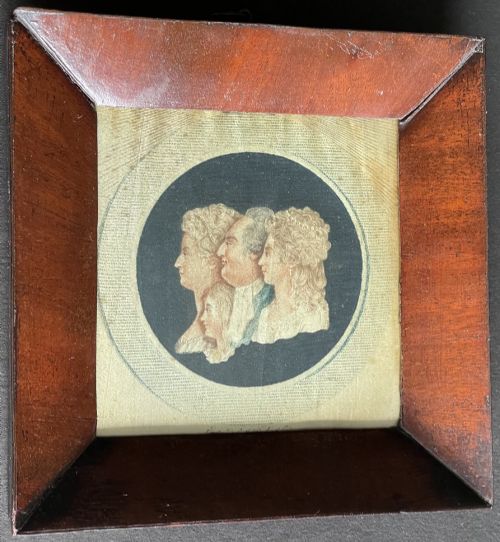
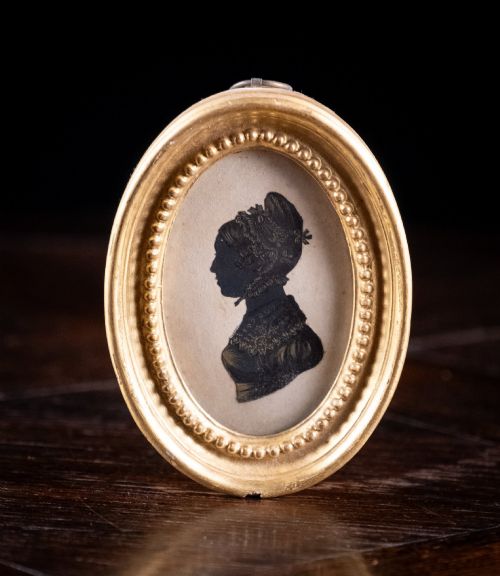
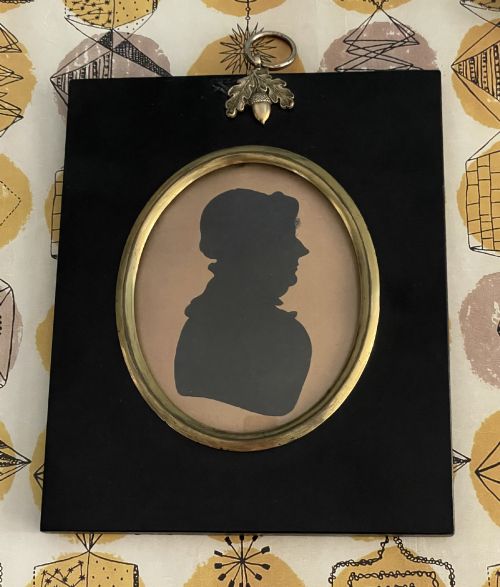
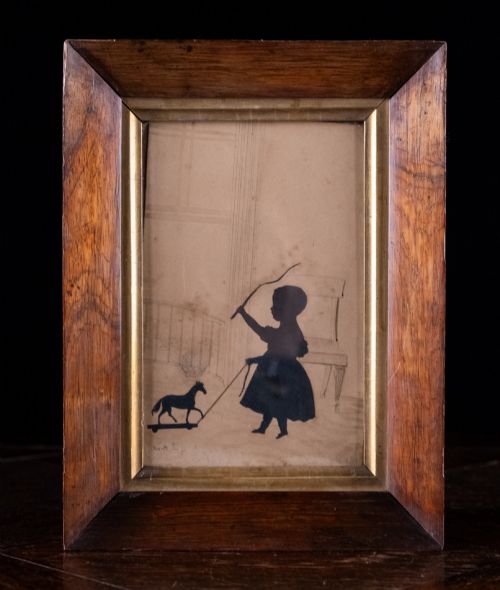
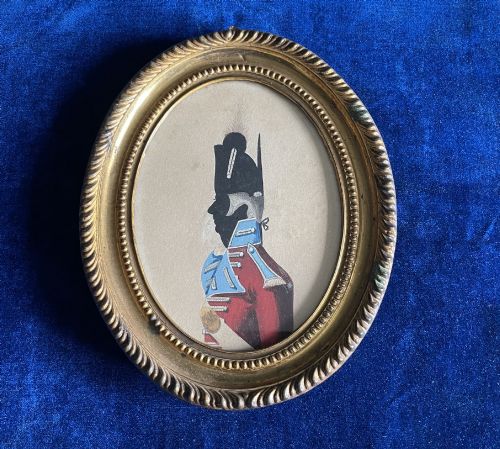
When you search for georgian silhouette artwork, you are looking at profile portraits created during the eighteenth and nineteenth centuries, often housed in original frames. These pieces capture sitters in moments of quiet domesticity or formal posing, rendered through various media rather than photography.
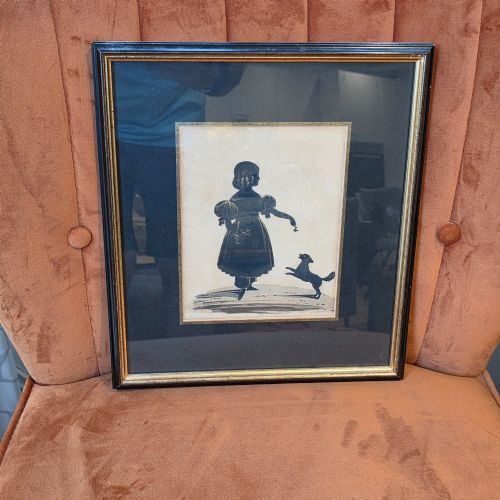
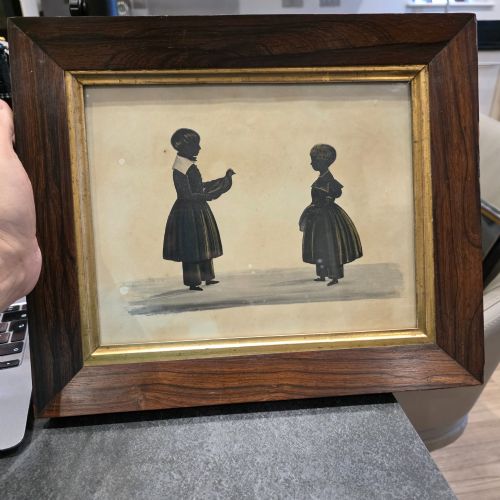
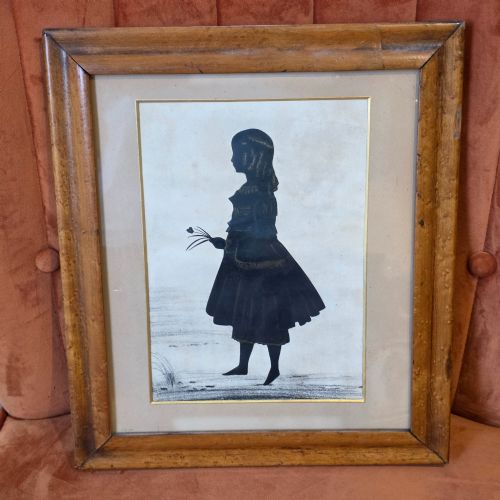
The most common versions on this page are framed portrait miniatures and silhouette portraits depicting gentlemen, ladies, and children. Many examples combine cut paper with delicate watercolour details, brass accents, and ebonised wood surrounds.
Originating during an era before widespread photography, these works served as affordable keepsakes and family records. The selection spans the Georgian, Regency, and early Victorian periods, showing both full-length studies and bust portraits.
Materials and Techniques
Frames typically consist of ebonised wood, sometimes accented with brass fittings or gold leaf to enhance the profile. Glazing protected the delicate paper and painted surfaces from dust and handling.
Factors That Determine Quality
The precision of the paper cutting or brushwork dictates the clarity of the likeness, separating hasty souvenirs from skilled artisan output. Crisp edges on cut paper and fine detailing in watercolour suggest superior craftsmanship.
Original framing significantly influences the integrity of the piece, particularly when utilising period glass and untouched ebonised wood or maple frames. Provenance and legible signatures or labels from known galleries add documentary weight.
Bateman·William James Hubard·James Gillespie·Augustin Edouart·Thomas London·J. Deacon·John Smith of Edinburgh
The Georgian Silhouette Artwork Glossary
- Silhouette
- A portrait represented as a solid shape of a single colour, usually black, showing the profile in sharp contrast to its background. It gained immense popularity before the invention of photography.
- Cut Paper
- A technique where the profile is meticulously snipped from paper using small scissors before being mounted. This method required steady hands and considerable skill.
- Ebonised Wood
- Timber treated to resemble ebony, frequently used for dark, polished frames that made pale backgrounds and black profiles stand out.
- Portrait Miniature
- A small, highly detailed painting or silhouette designed for intimate viewing rather than large-scale wall display. These were often kept in private rooms or carried as personal tokens.
- Regency
- The stylistic period spanning the early nineteenth century, noted for clean neoclassical lines and refined decorative arts. Pieces from this era often display lighter, more elegant framing.
Georgian Silhouette Artwork: Frequently Asked Questions
How were silhouettes created?
Artists cut profiles directly from black paper or painted them onto card or glass using dark ink and watercolours. Some practitioners traced shadows cast by candlelight onto paper before reducing and filling them in.
Master cutters worked entirely freehand with small scissors, achieving remarkable detail in hair and costume without making preparatory sketches.
Where should I hang these?
These small works suit studies, hallways, or grouped arrangements on living room walls where viewers can examine them closely. Keeping them away from direct sunlight protects the delicate paper and watercolour pigments from fading.
Because of their modest scale, they work well clustered together rather than hung in isolation across large wall spaces.
How do I spot a reproduction?
Examine the framing materials, glass type, and paper texture to determine the age of the object. Period pieces show appropriate signs of wear to the ebonised wood and backing materials.
Modern copies often use machine-cut card and modern fixings that lack the subtle irregularities of nineteenth-century craftsmanship.
What is a conversation piece?
A conversation piece is a type of artwork that depicts a group of figures engaged in a narrative or daily activity. In silhouette work, these show multiple family members or pets interacting within a domestic setting.
These elaborate compositions are less common than single bust portraits and offer a charming glimpse into household life.