


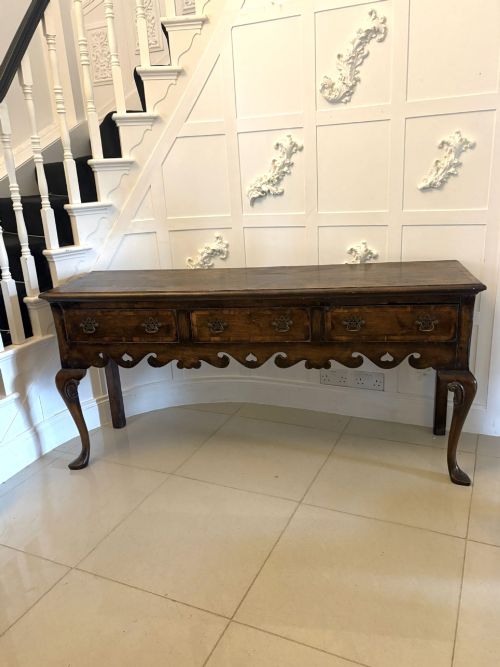
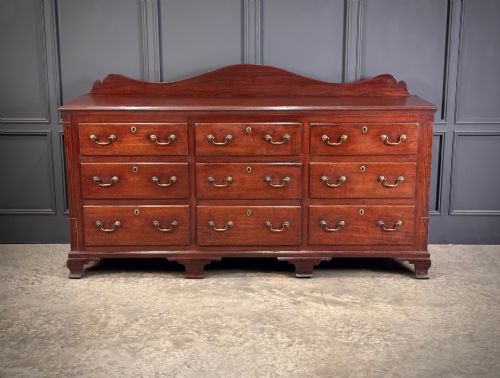
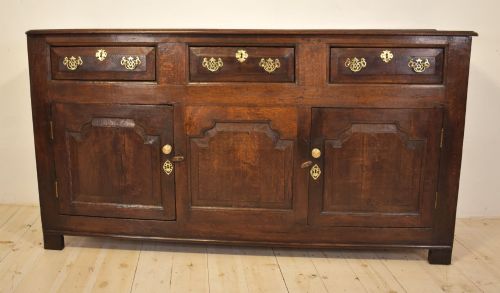
Georgian Sideboard with Drawers
A georgian sideboard with drawers provides sturdy storage and timeless proportion, bringing authentic period craftsmanship into a dining room or hall.
Georgian Sideboard with Drawers
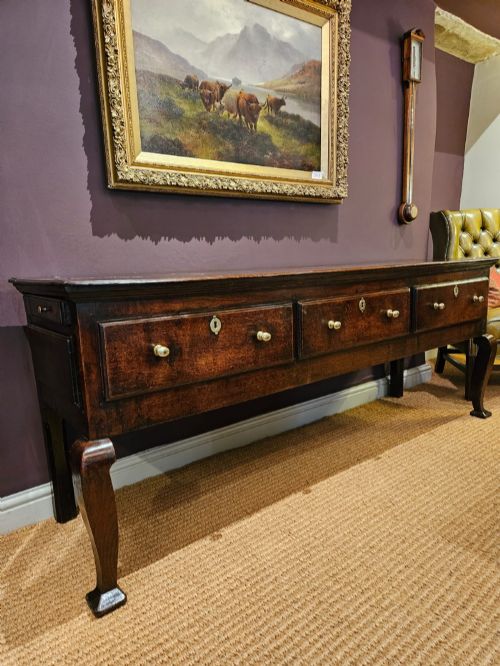
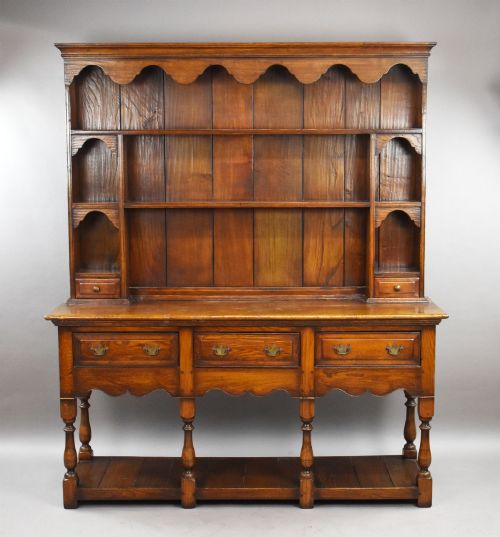
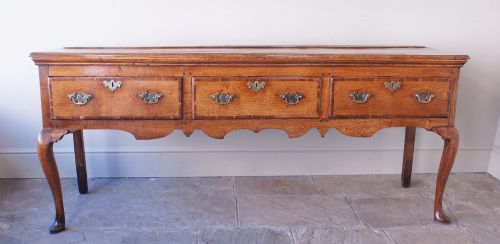
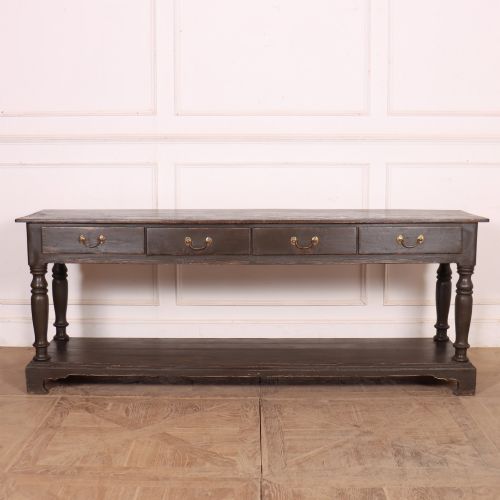
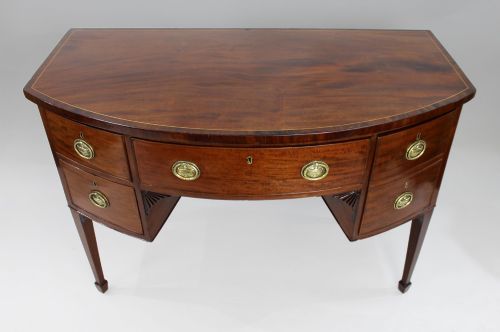
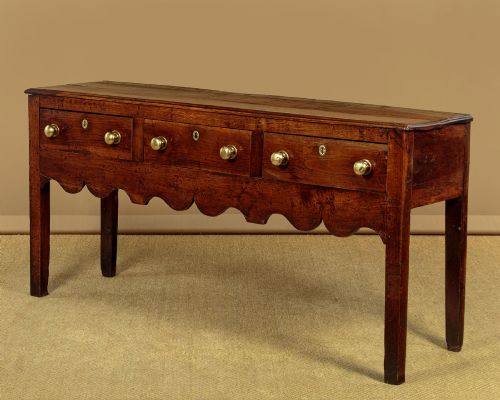
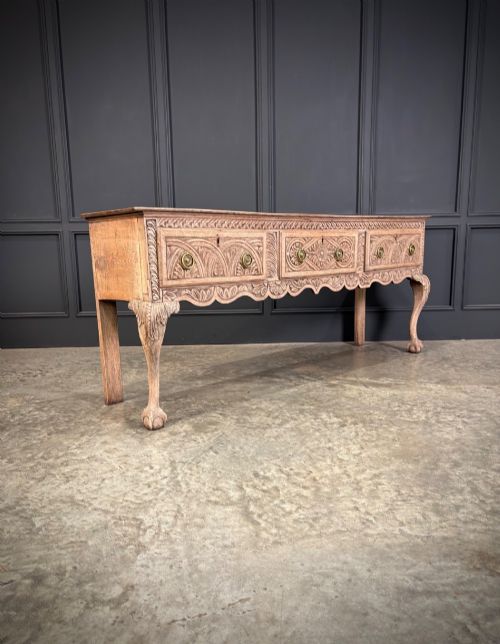
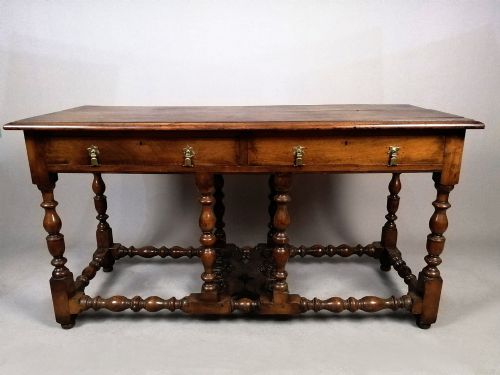
Buyers searching for a georgian sideboard with drawers encounter a diverse selection of period serving tables, dresser bases, and cabinets. These items originate predominantly from the Georgian, eighteenth century, and nineteenth century eras, reflecting robust craftsmanship used in dining spaces and halls.
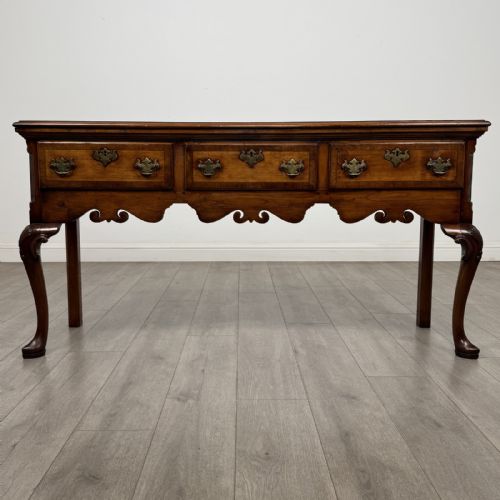
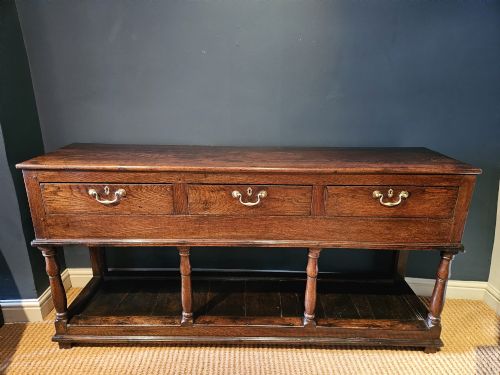
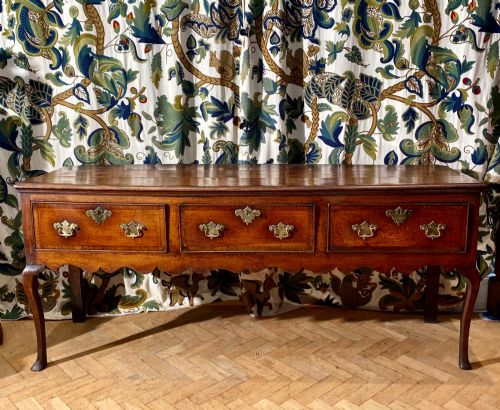
The dominant forms on this page include oak and mahogany dresser bases, featuring practical drawer arrangements and lower potboards. Alongside formal mahogany serving tables, one finds vernacular Welsh and country examples that display regional character and utilitarian design.
Many pieces incorporate multiple drawers, cupboards, and kneehole spaces intended for dining storage. Their construction spans formal urban workshops and sturdier provincial houses, showing distinct regional tastes across England and Wales.
Materials and Construction Methods
Makers relied heavily on native oak and imported mahogany, often pairing them with secondary woods like pine for internal drawer linings and backboards. Walnut also appears frequently, sometimes enhanced with decorative wood inlay and boxwood stringing.
Joinery techniques involved hand-cut dovetails for drawer construction and pegged mortise and tenon joints for structural frames. Surface finishes depended on wax or polish, which highlighted the natural grain and figuring of the timber over centuries of use.
Georgian Sideboard with Drawers Retail Price Guide 2026
Typical asking prices for georgian sideboard with drawers among the pieces listed under this phrase on Sellingantiques today, from the lower quarter to the upper quarter. They describe what is for sale here now, not the wider market.
Recorded periods range from eighteenth-century George III pieces through to Edwardian interpretations and later revival styles.
Evaluating Quality and Period Integrity
Quality rests in the crispness of the timber selection, such as figured flame mahogany or dense, mature oak. Superior examples maintain uncompromised proportions, original brass hardware, and minimal structural alterations.
Construction depth separates standard vernacular items from finer urban pieces. Finer specimens exhibit refined secondary timber choices, precise dovetailing, and integrated inlay work that remains intact across top surfaces and drawer fronts.
The Georgian Sideboard with Drawers Glossary
- Potboard
- An open lower shelf beneath a dresser base traditionally used for displaying heavy crockery. It sits raised off the floor on short legs or stiles.
- Dresser Base
- A low rectangular cabinet fitted with multiple drawers and sometimes cupboards, functioning as a sideboard or serving surface. These form the primary baseline of storage furniture from the period.
- Crossbanding
- A decorative border technique where thin strips of veneer are laid across the grain of the primary wood. This frames drawer fronts and tabletops to create visual contrast.
- Stringing
- Inlay work using thin threads of contrasting wood, such as boxwood, set flush into the surface. It outlines panels and drawers on finer Georgian cabinetry.
- Kneehole
- A central recessed space beneath a desk or sideboard top designed to accommodate the user's legs. It is typically flanked by vertical banks of small drawers.
Georgian Sideboard with Drawers: Frequently Asked Questions
What is a dresser base?
A dresser base is a low, freestanding cabinet featuring a flat top surface for serving and multiple drawers beneath for cutlery and linen.
Unlike tall kitchen dressers, these items omit the upper plate rack, making them function identically to traditional dining room sideboards.
How do I date a Georgian sideboard?
Dating relies on examining timber species, hardware fixing methods, and construction traits like hand-cut dovetails in the drawer boxes.
Earlier eighteenth-century pieces favour solid oak with potboards, whereas later Georgian and Regency examples often utilise mahogany and refined veneer work.
Where were these pieces used?
These sideboards and serving tables were principal fixtures in country houses, town residences, and provincial vernacular homes alike.
They stood in dining rooms or entrance halls to store serving dishes, linens, and cutlery between meals.
Are these sideboards suitable for daily use?
These period pieces were built with sturdy hardwood frames, mortise joints, and durable timber that withstands generations of practical application.
Their deep drawers and spacious tops easily accommodate modern dining accessories and daily storage requirements.