
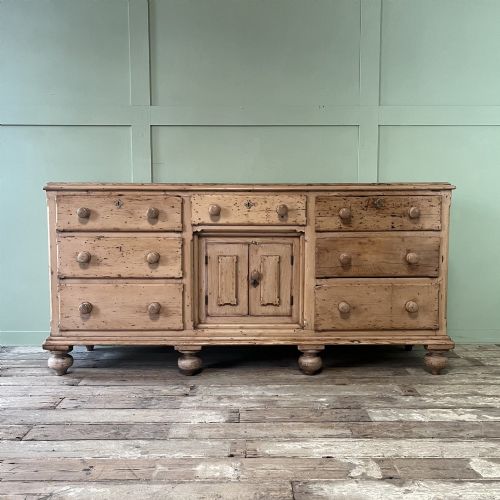
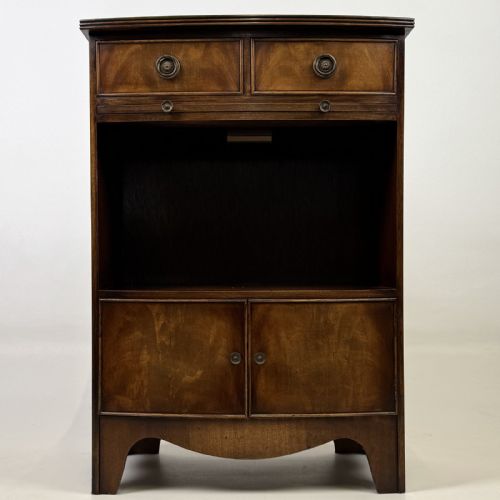
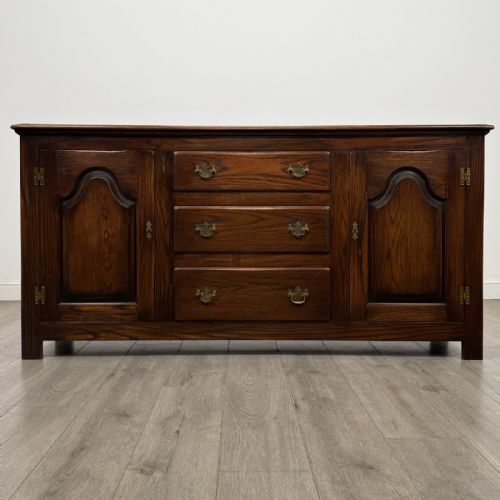
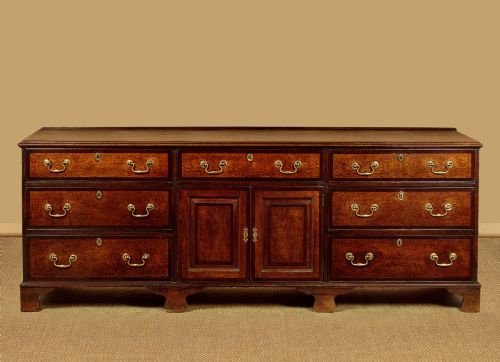
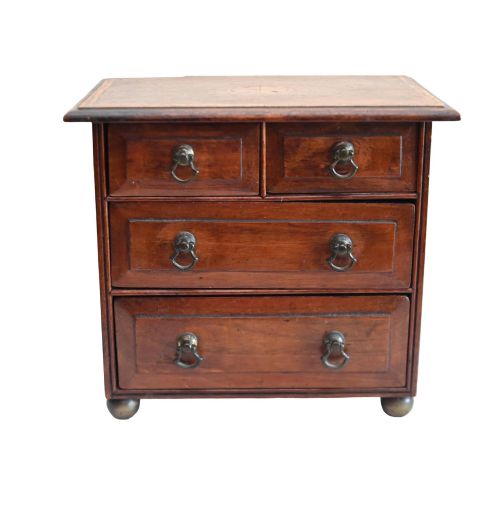
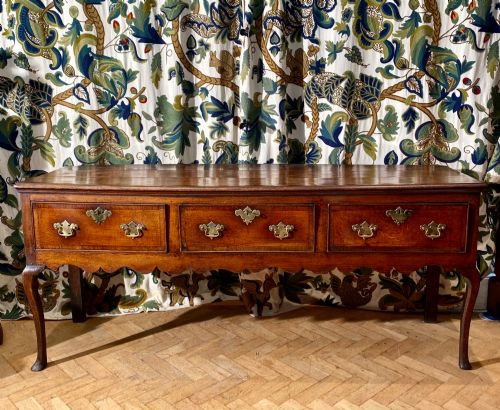
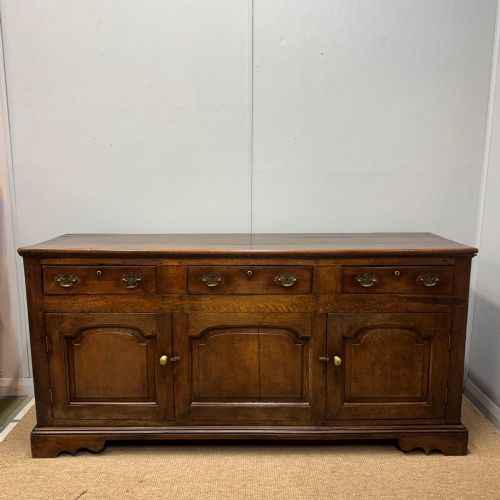
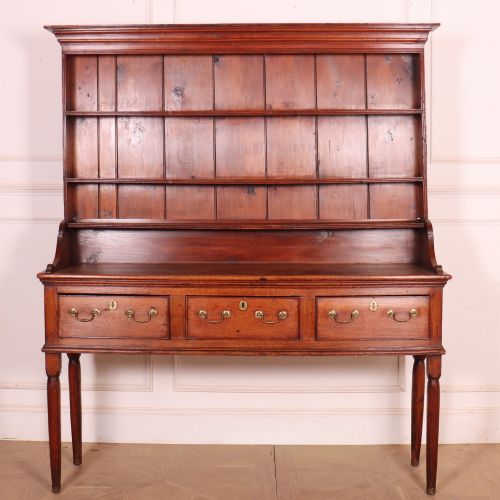
Georgian Sideboard Cabinet
A georgian sideboard cabinet anchors a dining room with timber and proportion, offering deep drawers and cupboards for service.
Georgian Sideboard Cabinet
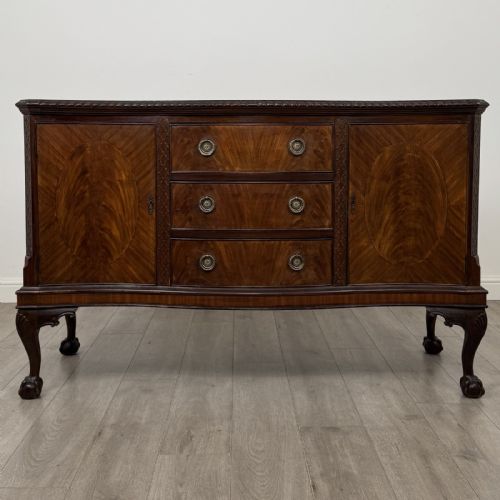
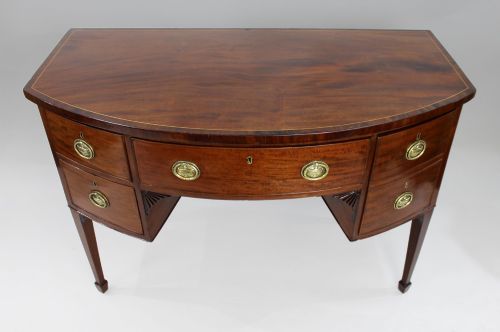
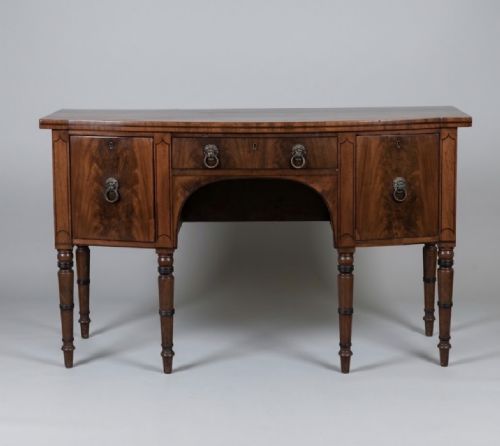
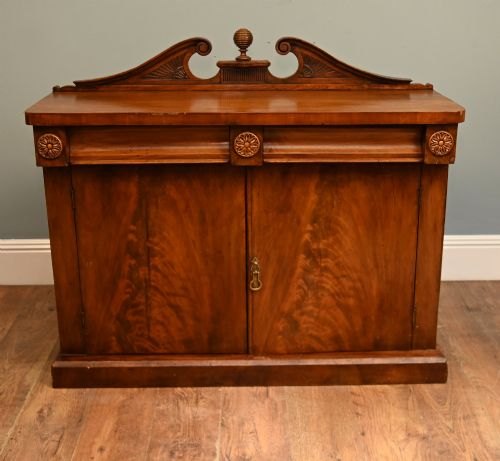
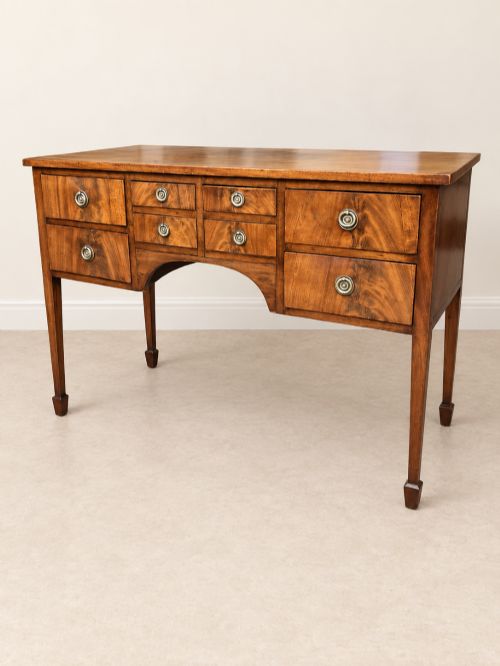
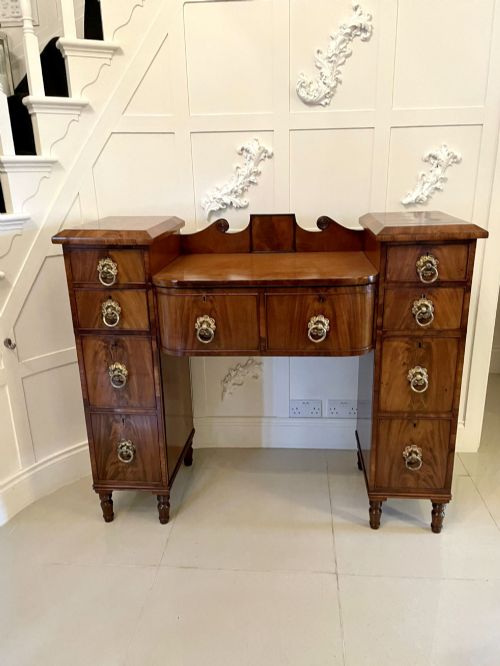
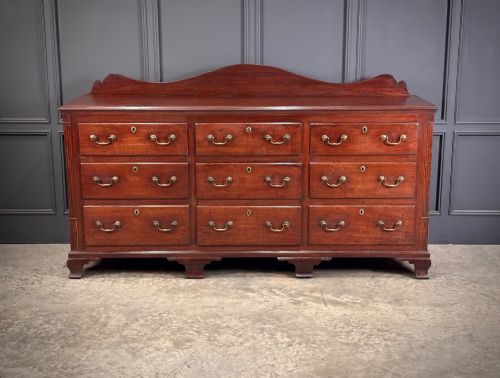
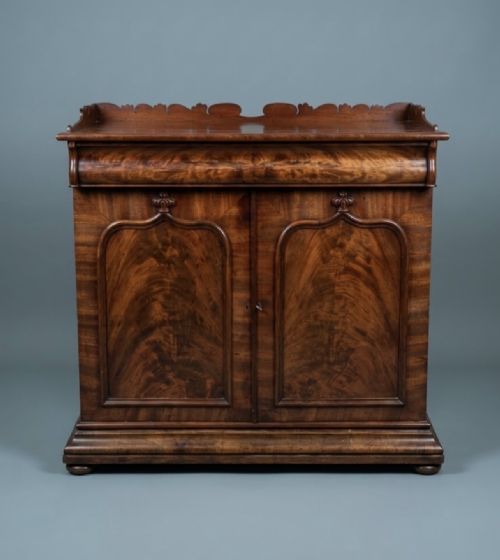
A georgian sideboard cabinet brings together the functional storage of the dining room with formal cabinet-making traditions from the eighteenth and nineteenth centuries. These pieces appear in forms such as bow-fronted sideboards, breakfront dresser bases, and low serving cupboards.
The selection ranges through the Georgian era into Regency, William IV, and Edwardian revivals, showing how cabinet-makers adapted proportions for changing interiors. Mahogany, oak, and pine dominate the structural timber used across these diverse forms.
Materials and Construction
Cabinet-makers utilised solid timbers alongside figured veneers, applying flame mahogany and satinwood to primary display surfaces while framing interiors in oak and pine. Selected grain patterns provide natural ornament across large expanses of drawer fronts and cabinet doors.
Construction details include brass mounts, ebony stringing, and lion paw feet, which punctuate the timber surfaces. Cupboard doors and drawers operate within sturdy frames joined using traditional woodworking methods.
Listings feature woods including oak, mahogany, satinwood, and walnut, alongside brass hardware and inlaid details across multiple periods.
Design and Material Depth
Quality rests in the selection of the timber figures, such as the depth of flame mahogany or figured grain running across matching drawer fronts. Finer examples display harmonious proportions and careful integration of secondary woods.
The sophistication of the design dictates the standing of a piece, from simpler vernacular oak dressers to elaborate Regency cabinets featuring brass inlay and carved details.
The Georgian Sideboard Cabinet Glossary
- Bow-front
- A convex curved front projecting outward from the frame. This shape softens the corners of dining room furniture.
- Breakfront
- A cabinet formation where the central section projects forward from the flanking wings. This creates a rhythmic play of depth across the front.
- Chiffonier
- A compact sideboard or cabinet often fitted with shelves or a bookcase superstructure. These pieces emerged during the Regency period for specialised storage.
- Dresser base
- A low wooden storage unit fitted with drawers and cupboards, historically used in kitchens or dining spaces. Surviving examples frequently display robust oak or pine construction.
Georgian Sideboard Cabinet: Frequently Asked Questions
How do I identify a Regency period piece?
Regency pieces often display classical architectural influences, incorporating brass inlay, ebony stringing, and bold feet such as carved lion paws. The timber choice frequently turns to figured mahogany with rich grain patterns.
Cabinet makers of this era balanced structural mass with refined decorative accents.
Are oak and mahogany pieces from the same era?
Oak appears in regional vernacular furniture from the eighteenth century and earlier, particularly within dresser bases and court cupboards. Mahogany became the preferred timber for formal urban cabinet-making as the eighteenth century progressed.
Both materials continued to be utilised into the nineteenth and twentieth centuries through revival styles.
What distinguishes a chiffonier from a sideboard?
A chiffonier is typically a more compact cabinet, frequently associated with the Regency period and equipped with an enclosed lower section. Many examples include a superstructure with shelves for displaying books or ceramics.
Sideboards generally offer a wider expanse of drawers and cupboards arranged across a single low level.