



Georgian Sepia Print
A georgian sepia print brings monochrome warmth and classical restraint to a wall, offering the quiet depth characteristic of eighteenth and nineteenth-century works.
Georgian Sepia Print
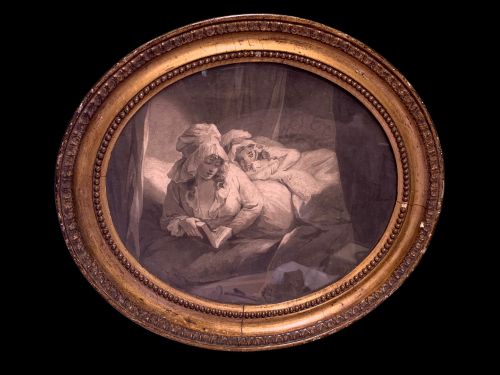
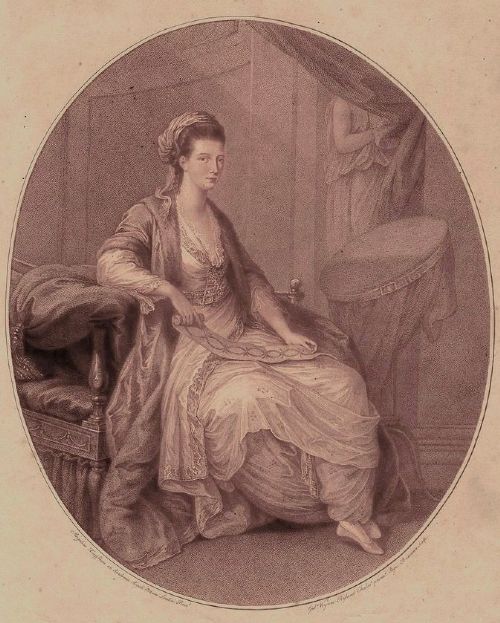
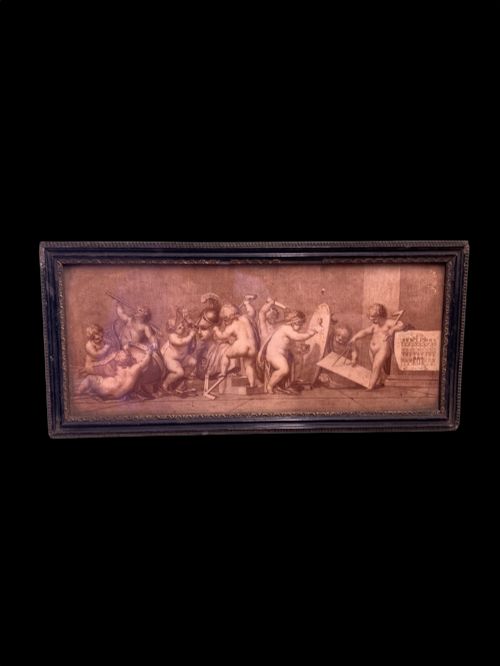
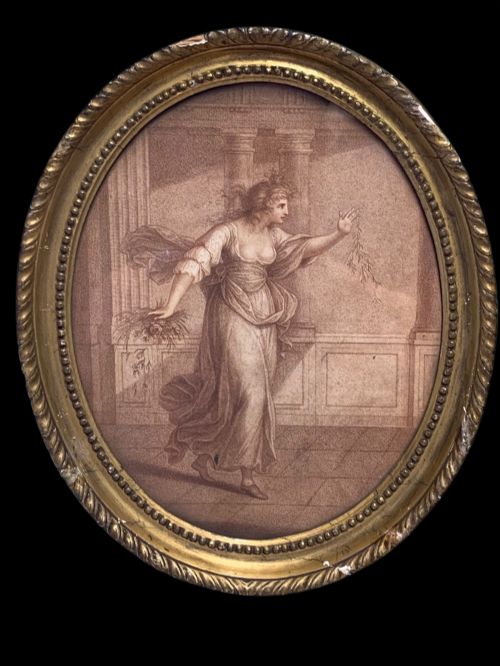
When you search for a georgian sepia print, you enter a field of monochrome graphic works spanning the eighteenth and nineteenth centuries. These pieces encompass portrait engravings, mythological scenes, and architectural subjects rendered in subtle brown tones.
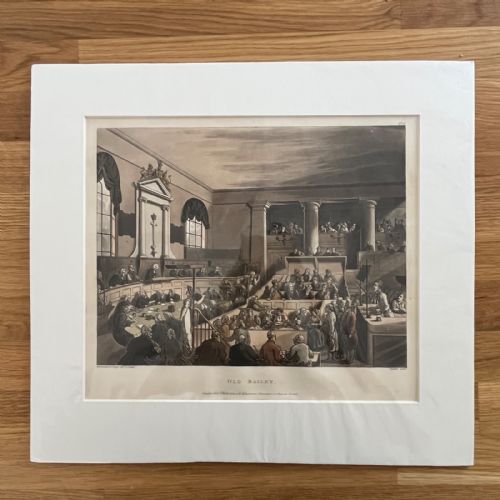
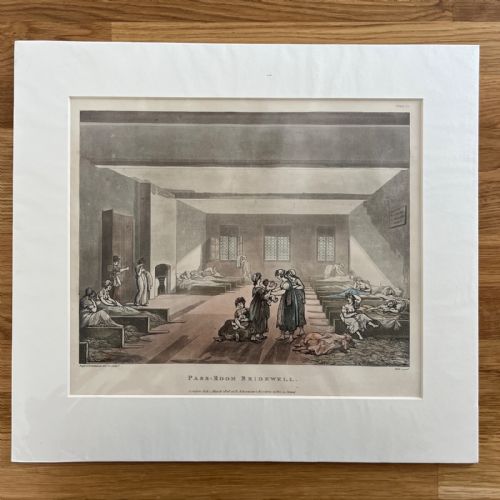
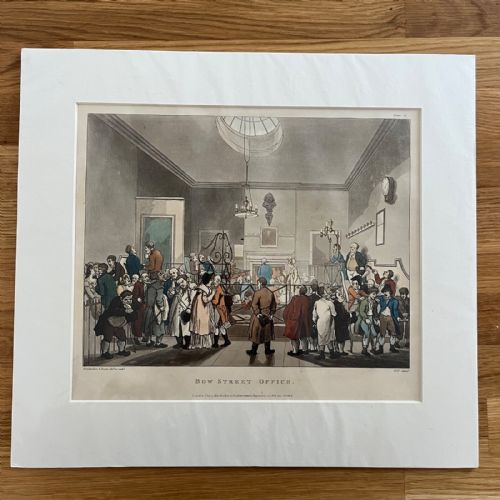
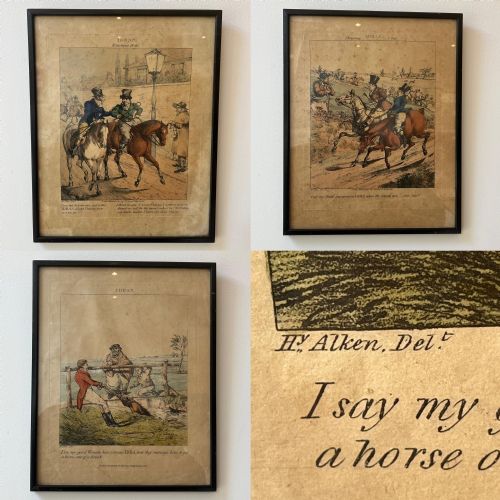
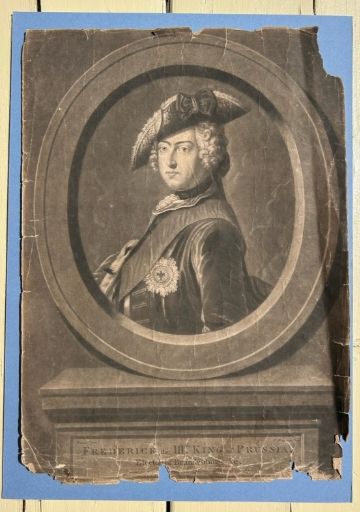
The versions most commonly met on this page include eighteenth-century stipple engravings and mezzotints housed in period frames. Subjects range from classical figures like Eros and Aphrodite to racehorses and naval officers, reflecting the varied interests of the Georgian period.
How they were made
Makers utilised paper and ink, often employing etching, stipple, or mezzotint techniques to build up rich tonal gradations. Plates were inked in monochrome brown to achieve the characteristic warm, sepia aesthetic.
Framing materials such as wood, giltwood, and gold leaf were applied to complement the works. Some examples also incorporate monochrome ink with watercolour or are worked directly onto silk.
Georgian Sepia Print Retail Price Guide 2026
Typical asking prices for georgian sepia print among the pieces listed under this phrase on Sellingantiques today, from the lower quarter to the upper quarter. They describe what is for sale here now, not the wider market.
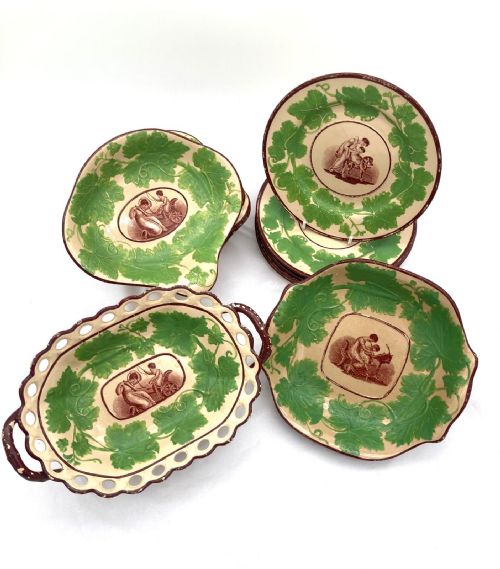
Listings span the eighteenth and nineteenth centuries, featuring materials such as paper, ink, wood, giltwood, earthenware, glaze, and gold leaf across styles including neoclassical and Regency.
What varies in quality
The survival and originality of the surrounding frame contribute substantially to the character of the object. Period frames utilising traditional joinery and original gilding match the integrity of the paper work within.
Richard Houston·Antoine Pesne·John Crewe·Sir Joshua Reynolds·Claude Lorrain·John Boydell
The Georgian Sepia Print Glossary
- Sepia
- A brown pigment traditionally derived from the ink sac of the cuttlefish. It creates the warm monochrome palette seen across these prints.
- Mezzotint
- A printmaking process where the copper plate is roughened to achieve rich dark tones and smooth gradations. It allows for deep, velvety shadows.
- Stipple engraving
- A technique using dots of varying density to create tonal effects rather than continuous lines. It produces soft contours suited to portraits.
- Etching
- A method where lines are bitten into a metal plate with acid before being inked and printed onto paper. This allows for fine, controlled linework.
- Neoclassical
- An artistic style drawing inspiration from the classical art and culture of ancient Greece and Rome. It frequently appears in Georgian subject matter.
Georgian Sepia Print: Frequently Asked Questions
What is a georgian sepia print?
It is a monochrome graphic work produced during the eighteenth or nineteenth century, printed in brown ink. These works capture portraits, classical scenes, and sporting subjects using techniques like stipple and mezzotint.
They reflect the aesthetic tastes of the period, often combining refined plate work with traditional framing. The palette offers a restrained alternative to brightly coloured artworks.
How were these prints displayed?
Historically, such works were mounted behind glass in wooden or giltwood frames to protect the delicate paper from dust and light. They were hung in parlours, studies, and libraries as part of a gentleman's collection.
Today, they suit similar domestic spaces where their neutral tones complement traditional and contemporary interiors alike.
How do I care for a paper print?
Keep the piece away from direct sunlight to prevent the sepia ink and paper from fading over time. Maintaining a stable indoor humidity protects both the paper support and the original wooden frame.
Ensure the glazing remains intact and avoid hanging works in damp environments such as unventilated kitchens or bathrooms.
How do I identify the period?
Examine the paper characteristics, plate marks, and the construction methods of the frame. Eighteenth-century examples often feature hand-laid paper and subjects tied to neoclassical or Georgian themes.
Stylistic cues in the subject's dress, hair, and lettering styles beneath the image also help narrow down the date of production.