

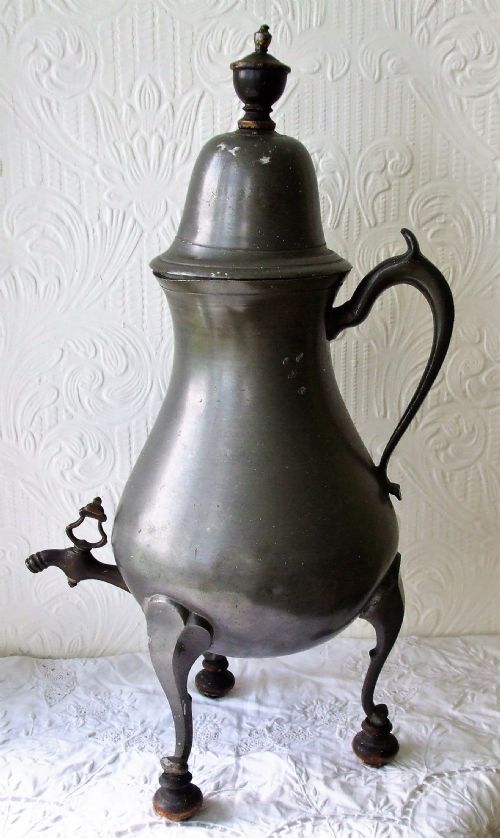


Georgian Samovar
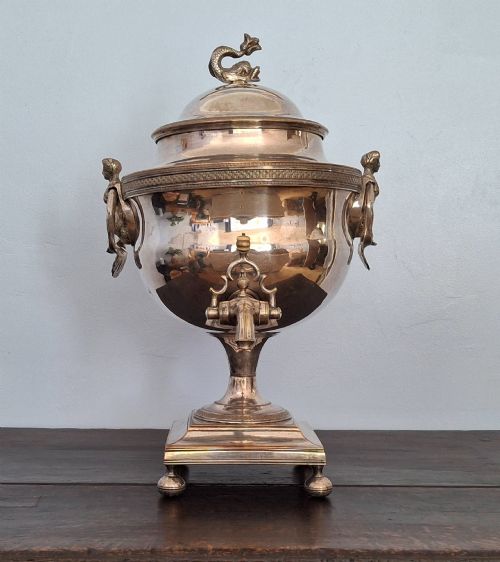
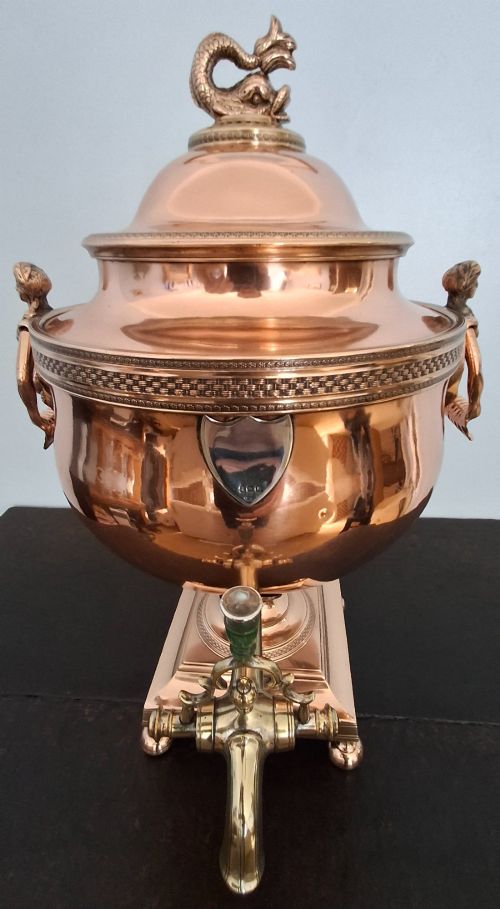
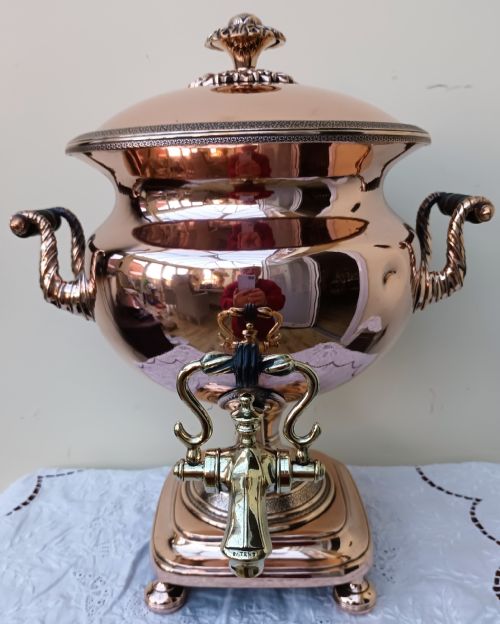
A georgian samovar is a commanding vessel designed to heat water for tea, offering both functional centrepieces and striking period presence.
Georgian Samovar
When you search for a georgian samovar, you encounter substantial metal vessels designed to heat water for tea. These pieces range from classic tea urns and coffee urns to water urns and spirit kettles.
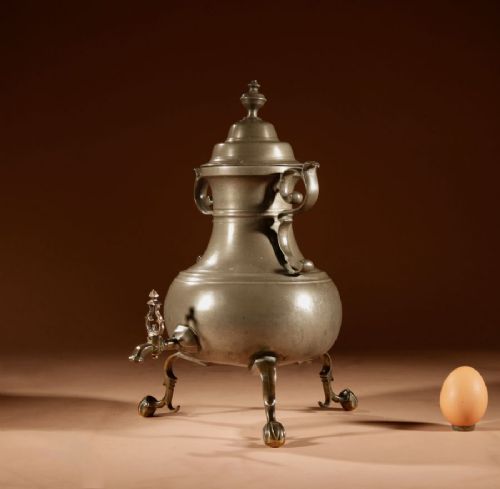
The versions you are most likely to meet on this page span the eighteenth and nineteenth centuries, including Georgian, Regency, and Dutch iterations. They frequently appear in copper, brass, pewter, and silver plate.
Makers and craftsmen of the period produced these forms in various styles, such as Georgian Neoclassical, George III, and Georgian Revival. Each object serves as a tangible link to historical tea-serving rituals.
What Varies in Quality
The standard of a vessel rests upon the crispness of its decorative casting and the integrity of its original fittings. Pieces featuring integrated bronze elements or well-preserved spigots demonstrate superior workshop execution.
Material choice and stylistic refinement further separate examples, from simple utilitarian pewter to ornate George III copper and Sheffield silver plate. The sophistication of the neoclassical detailing dictates the standing of the piece.
Georgian Samovar Retail Price Guide 2026
Typical asking prices for georgian samovar among the pieces listed under this phrase on Sellingantiques today, from the lower quarter to the upper quarter. They describe what is for sale here now, not the wider market.
Materials across these listings include copper, brass, pewter, silver plate, bronze, wood, metal, and iron.
The Georgian Samovar Glossary
- Samovar
- A heated metal container traditionally used to boil and heat water in Russia and Western Europe. These vessels often feature a central internal pipe for charcoal or a heating element.
- Kraantjeskan
- A traditional Dutch water or coffee urn featuring a tap, frequently cast in pewter and bronze. These vessels date back to the mid eighteenth century and sit upon fitted bases.
- Spigot
- A small tap or valve fitted near the base of an urn to dispense hot water. Original fittings heavily influence the historical completeness of the object.
- Spirit Kettle
- A portable water-heating vessel suspended over a small spirit lamp or burner. These items formed part of broader tea-service equipment during the Georgian period.
Georgian Samovar: Frequently Asked Questions
What is a georgian samovar?
A georgian samovar is a metal urn utilised for heating and dispensing water during tea service. These vessels date primarily from the eighteenth and nineteenth centuries.
They appear in materials such as copper, brass, pewter, and silver plate, often displaying neoclassical or George III stylistic influences.
How were these urns used?
These vessels heated water using internal heating elements or burning charcoal contained within a central tube. Guests and hosts drew hot water via a spigot at the base to brew tea.
They sat upon dining tables or sideboards as both functional appliances and social centrepieces during formal gatherings.
How do I date a samovar?
Dating relies on examining the prevailing styles, such as Georgian Neoclassical lines or Regency forms, alongside manufacturing techniques. Material choices, including early pewter and later silver plate, provide further chronological clues.
Evidence also points toward specific production periods like the eighteenth century and the year eighteen hundred.
Are original fittings important?
Original fittings contribute significantly to the historical completeness and integrity of the piece. Spigots, handles, and bases designed concurrently with the main body indicate a unified creation.
Replacement parts alter the physical state of the vessel, making pieces with surviving original components desirable to collectors.