

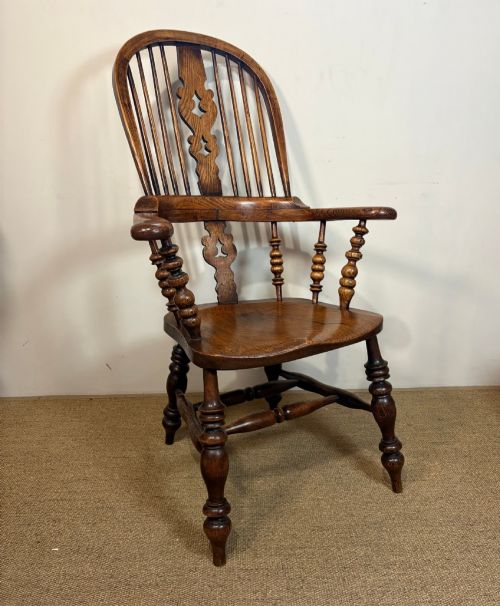
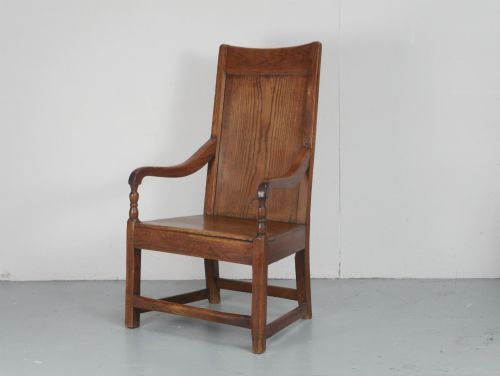
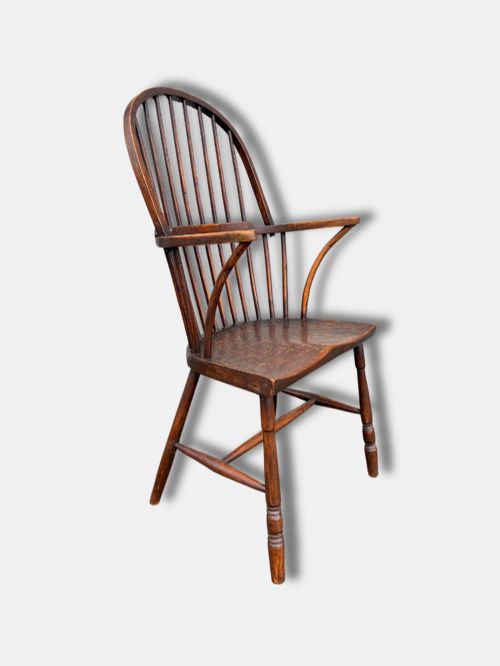
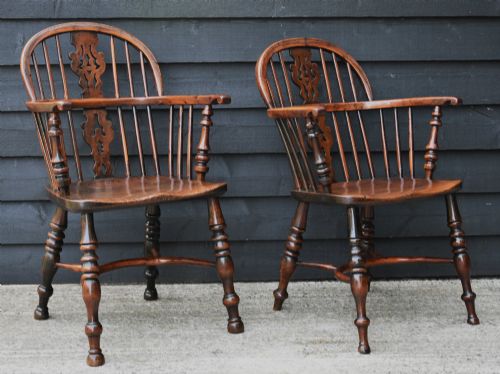
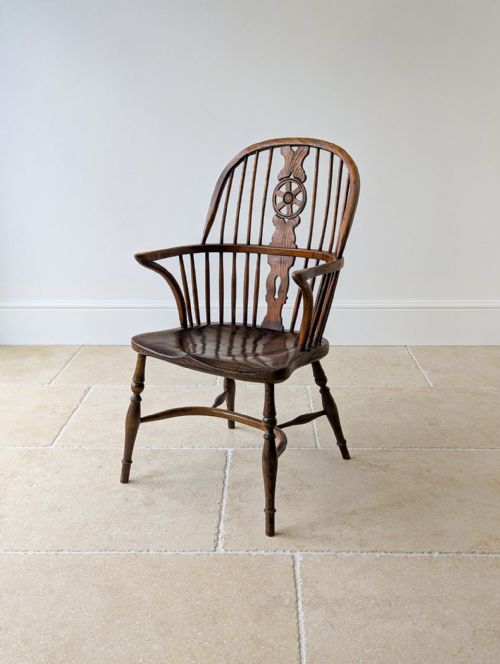
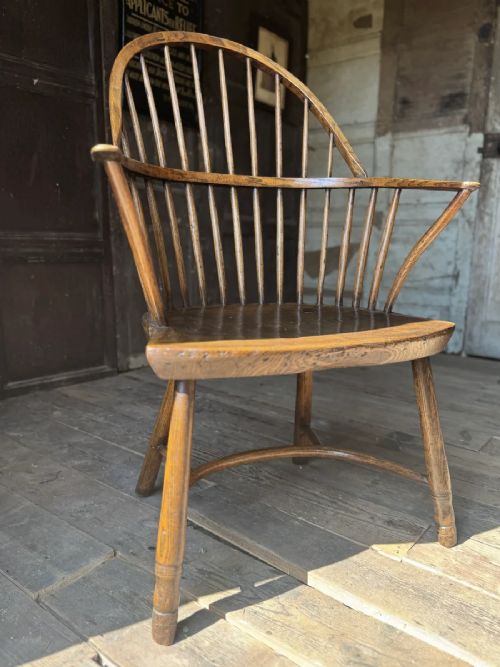
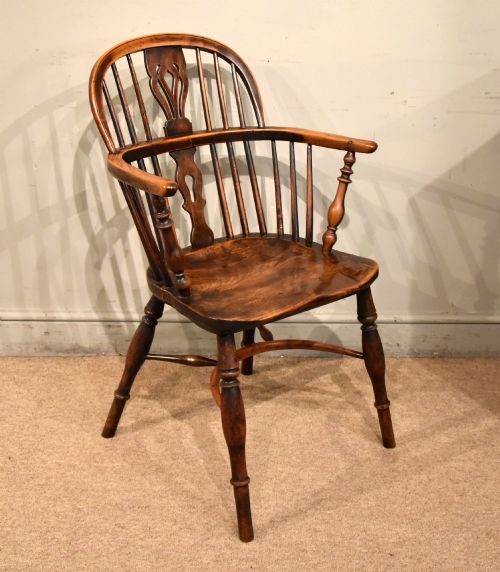
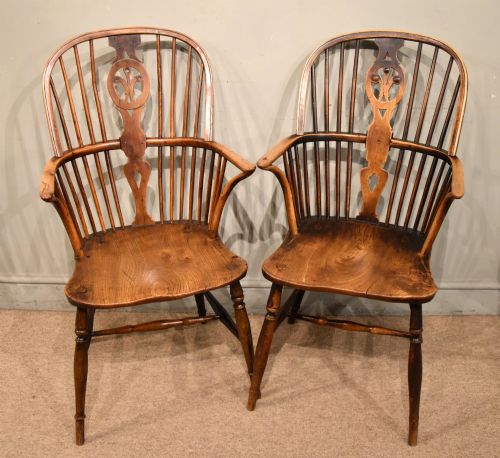
Georgian Rustic Armchair
A georgian rustic armchair brings vernacular timber and honest regional making straight into a modern interior.
Georgian Rustic Armchair
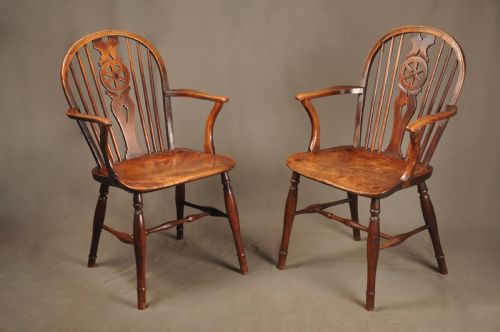
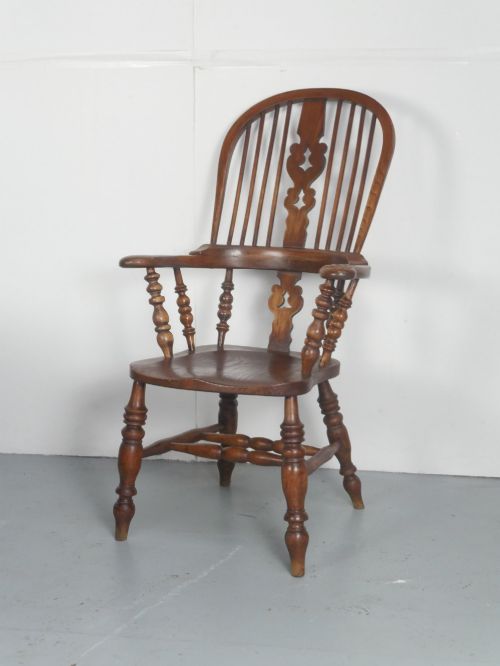
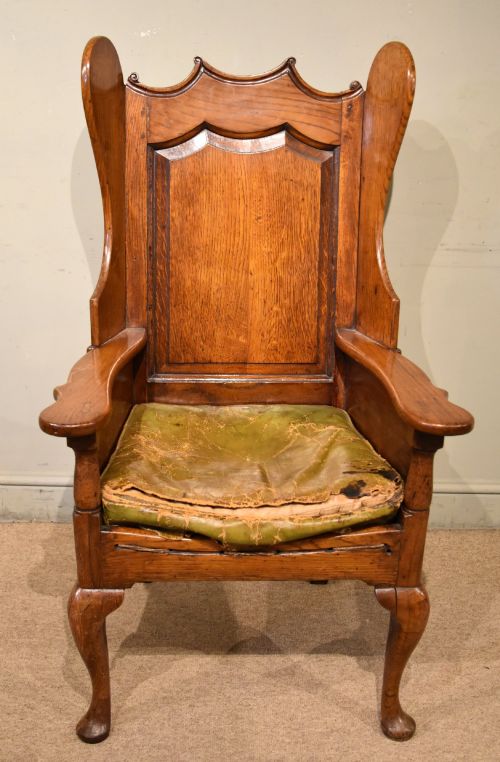
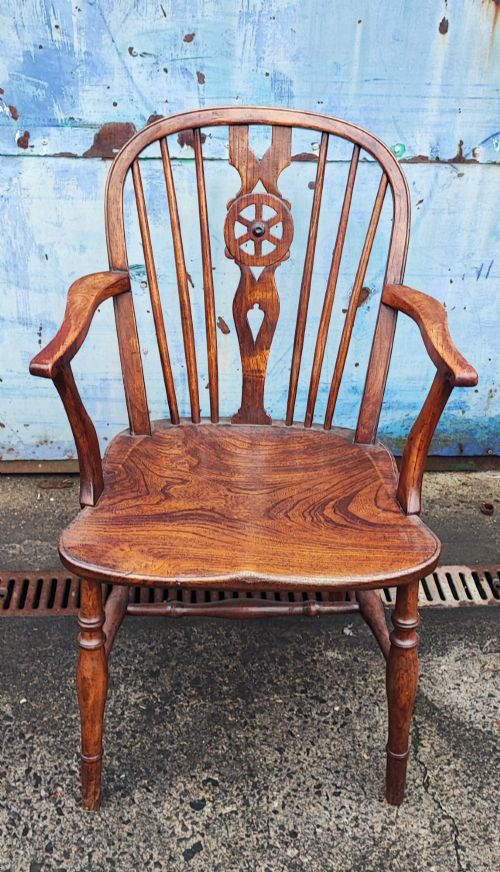
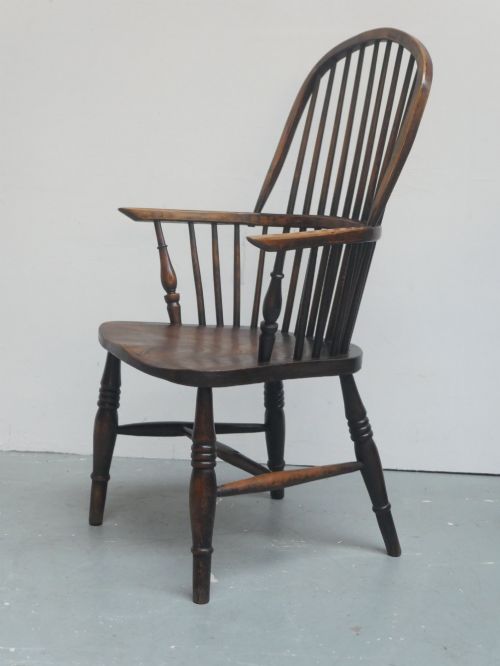
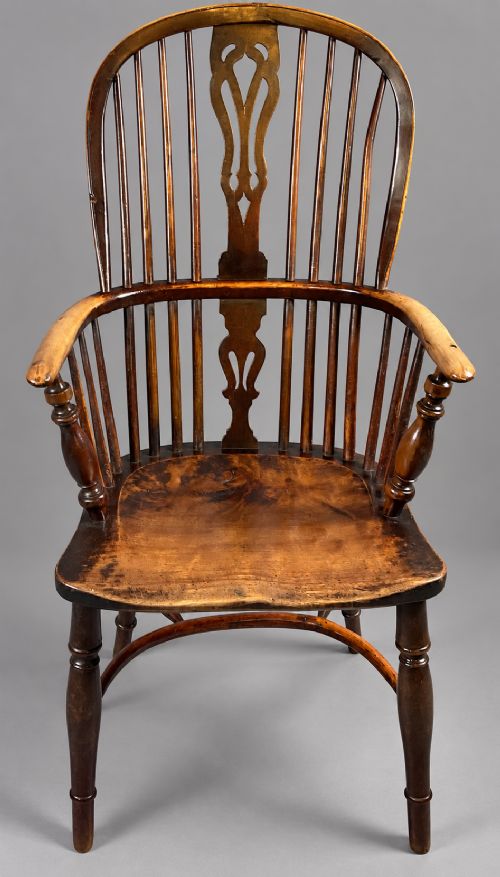
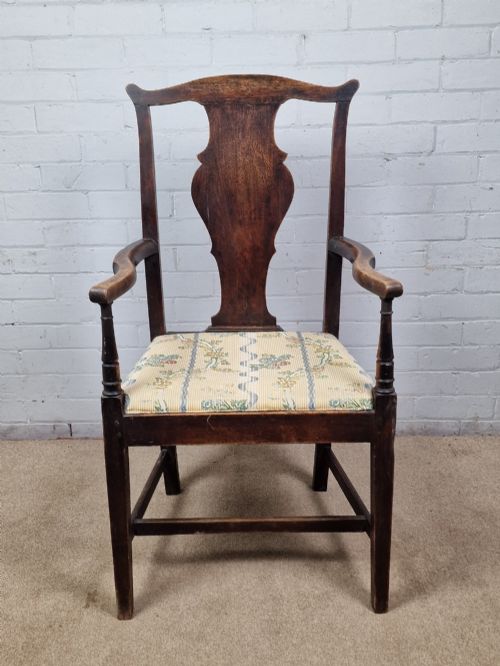
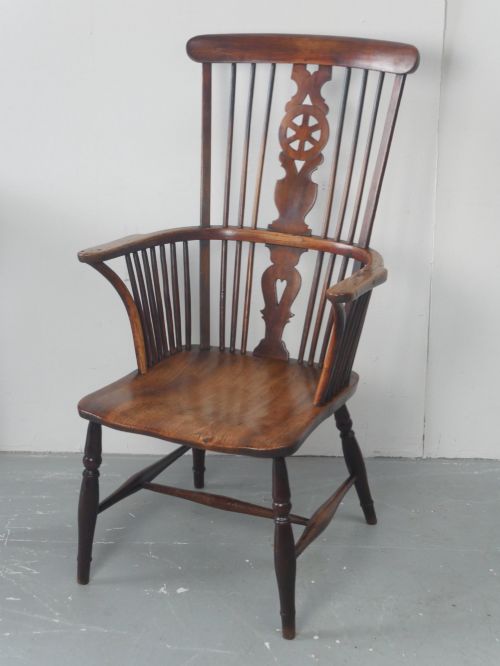
A georgian rustic armchair represents the practical country seating of the eighteenth and nineteenth centuries, spanning regional variations from the West Country to Wales. These pieces include Windsor forms, ladder-backs, and comb-backs shaped by local turners and village cabinetmakers rather than urban workshops.
The varieties most often met on this page combine elm, ash, or fruitwood timbers with solid plank seats and spindle or hoop backs. They serve as functional seating designed for farmhouse kitchens and country houses, carrying the marks of long domestic use.
How They Were Made
Makers utilised green wood for its flexibility, turning legs and spindles on pole lathes while shaping seats from single slabs of thick elm. Ash provided the tensile strength needed for slender bentwood hoops and bows, while fruitwood or yew added rich grain to armbows and spindles.
Construction relied on traditional joinery such as wedged tenons and through-mortises, securing uprights directly into carved wooden seats without complex metal hardware. Rush was woven tightly around seat rails for rush-seated ladder-back variants, while Windsor designs depended on steam-bending for continuous back rails.
Georgian Rustic Armchair Retail Price Guide 2026
Typical asking prices for georgian rustic armchair among the pieces listed under this phrase on Sellingantiques today, from the lower quarter to the upper quarter. They describe what is for sale here now, not the wider market.
Listings feature eighteenth and nineteenth century periods alongside regional woods including yew, fruitwood, and ash.
What Varies In Quality
Quality rests in the balance of proportions, the comfort of the saddle-shaped seat, and the integrity of the original timber rather than excessive ornamentation. Pieces displaying deep patination from wax polishing and minimal structural timber replacement stand higher in the range.
The refinement of the spindle turnings and the graceful sweep of the armbow distinguish workshop output, while excessive wear to leg bases or replaced stretchers alters the balance of a piece. Original surface finishes without modern stripping separate honest survivors from heavily restored examples.
The Georgian Rustic Armchair Glossary
- Windsor chair
- A chair built with a solid wooden seat into which the legs and back-spindles are separately inserted. This form dominates English country seating.
- Comb back
- A Windsor chair variation where the vertical spindles extend up to a horizontal crest rail resembling the teeth of a comb. This style offers robust structural support.
- Crinoline stretcher
- A curved under-stretcher linking the legs of a chair, resembling the hoop of a crinoline skirt. It adds rigidity to the lower frame.
- Vernacular
- Objects made by local craftsmen following regional traditions rather than formal architectural styles. These pieces prioritize utility and local material availability.
- Saddle seat
- A thick wooden seat scooped and carved into a concave shape for seating comfort. Elm was frequently chosen for this task due to its interlocking grain.
Georgian Rustic Armchair: Frequently Asked Questions
What is a vernacular armchair?
A vernacular armchair is a piece made by local country craftsmen using regional timber styles and practical construction methods.
These chairs reflect the specific materials available in areas like Wales or the West Country rather than following metropolitan fashion.
How do I identify elm in chairs?
Elm timber shows a characteristic interlocking grain pattern with a warm, fibrous texture that resists splitting.
Country makers selected it for seats because it held through-wedged joints firmly under daily use.
Where were Windsor chairs made?
Windsor chairs were produced across rural English counties including Lincolnshire, Yorkshire, and various West Country workshops.
Local turners supplied parts to assemblers who fitted them together using locally felled timber.
How do I care for rush seats?
Rush seats require steady indoor humidity and occasional light waxing to keep the natural sedge fibres from drying out.
Keeping them away from direct heat sources preserves the twisted plant material over decades.