



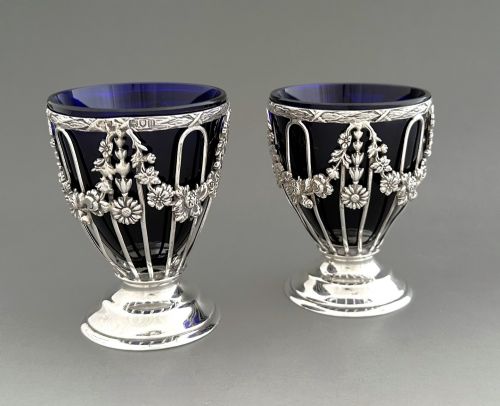


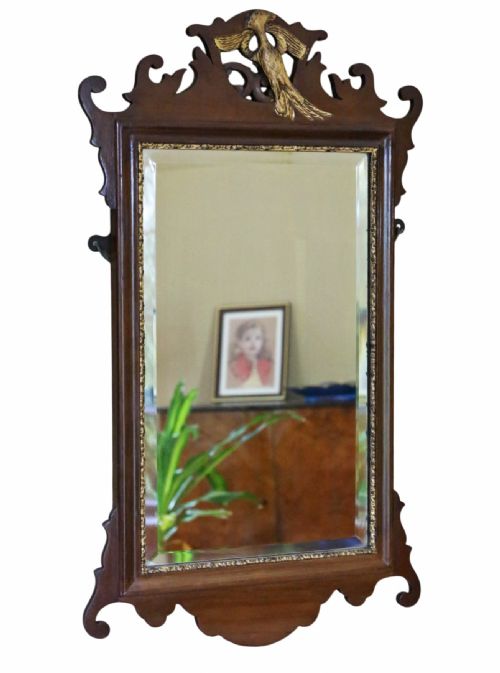


Georgian Revival Glass
Georgian revival glass brings together crisp, heavy-cut crystal tableware and decorative mirrors that lean on eighteenth-century classicism for their formal geometry.
Georgian Revival Glass
Georgian revival glass covers both domestic tablewares and the mirrors and cabinets associated with the broader revival of eighteenth-century design. When searching this phrase, a buyer meets items like cut glass preserve jars, water jugs, wine rummers, and candlesticks alongside mahogany or giltwood mirrors.
The tablewares in this category typically feature deep diamond cutting, fluting, and panel cutting executed in heavy lead crystal. These pieces date largely from the late nineteenth and early twentieth centuries, mimicking the earlier George III aesthetic of brilliant-cut tableware.
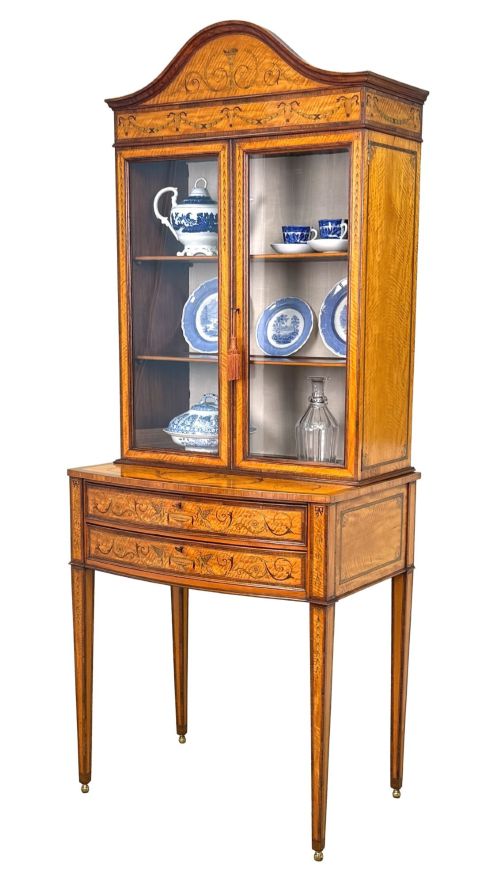
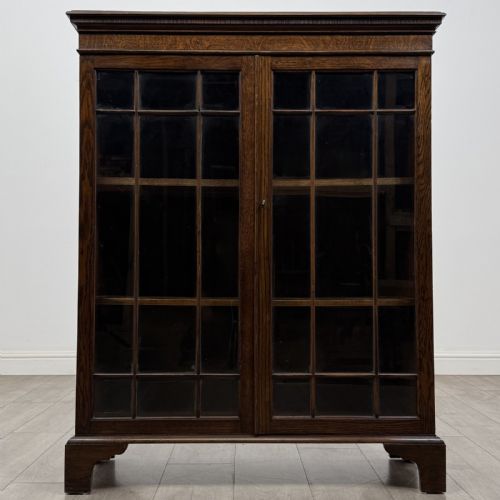
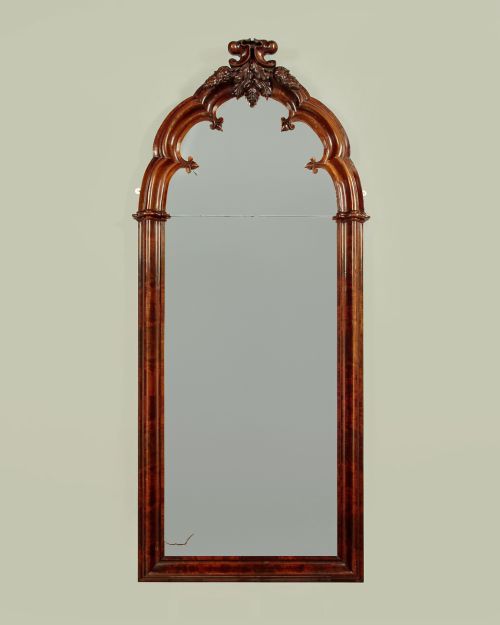
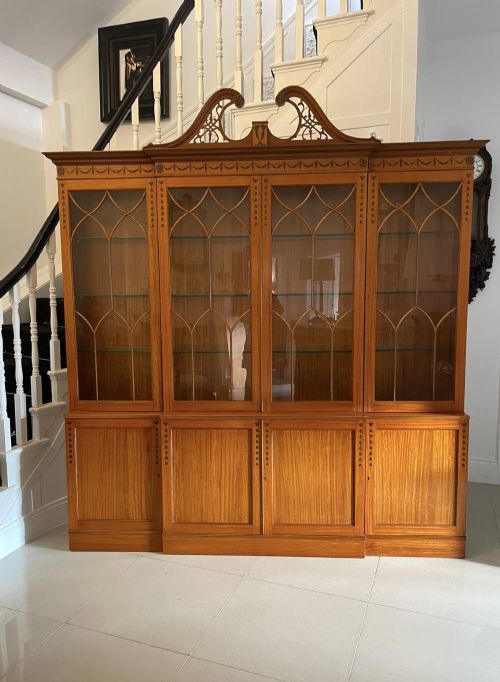
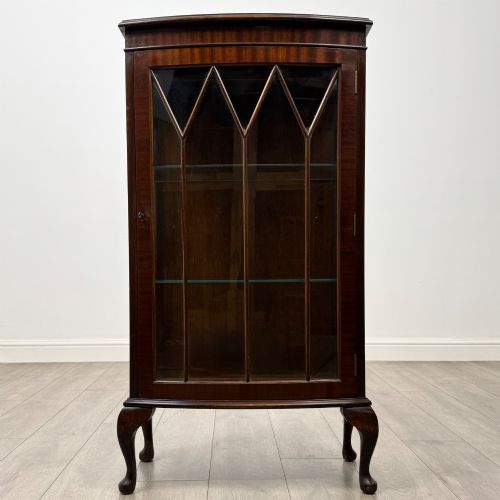
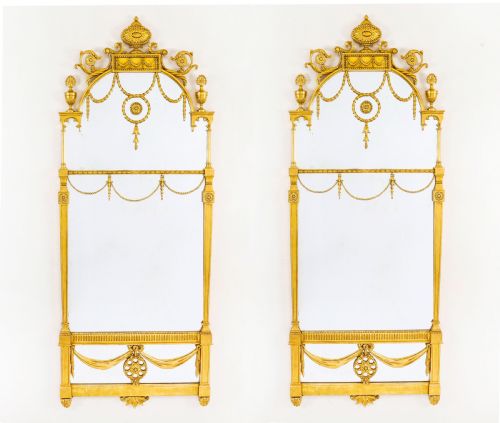
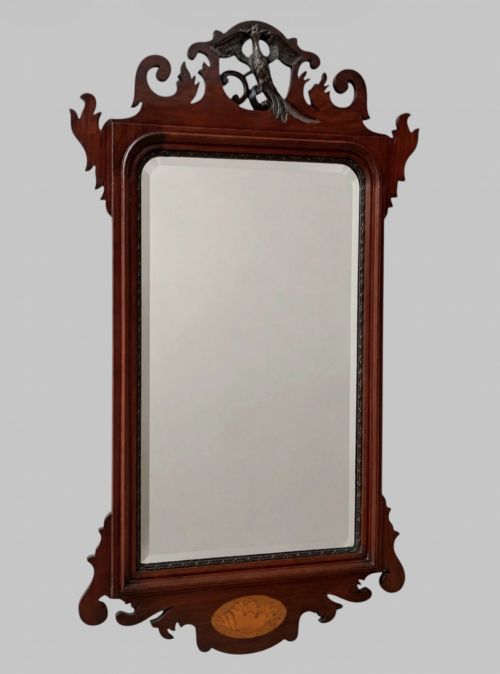
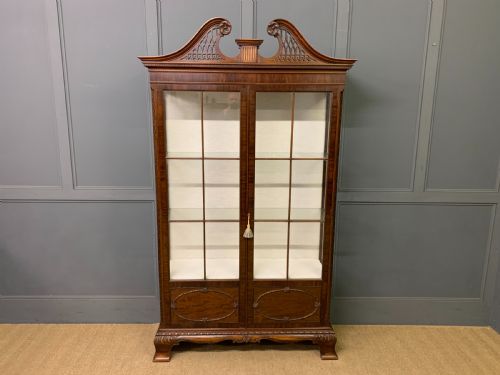
Mirrors and display cabinets grouped under this heading borrow directly from Chippendale, Sheraton, and Adam design vocabularies. They combine mahogany, satinwood, and giltwood frames with bevel-edged glass and astragal glazing bars.
How They Were Made
Cut glass pieces start as heavy molten lead crystal that is blown into moulds or free-blown before artisans apply geometric patterns using rotating stone and metal wheels. The final brilliant finish requires careful hand-polishing on cork or felt wheels.
Wooden furniture pieces and mirror frames rely on solid mahogany, walnut, or satinwood, often enhanced by intricate satinwood inlay, marquetry, or painted decoration. Giltwood and gesso frames are carved, layered with chalk gesso, and water-gilded with fine metal leaf.
Georgian Revival Glass Retail Price Guide 2026
Typical asking prices for georgian revival glass among the pieces listed under this phrase on Sellingantiques today, from the lower quarter to the upper quarter. They describe what is for sale here now, not the wider market.
What Varies in Quality
Quality in cut glass depends on the clarity of the metal, the crispness of the wheel-cut facets, and the weight of the blank. Deeper, sharper cuts catch the light cleanly, whereas softer edges indicate hurried finishing.
In cabinetry and mirrors, the standard is determined by the selection of timber grain, the precision of the parquetry or inlay, and the depth of hand-carving in the wood or gesso. Original painted decoration and well-figured mahogany or satinwood elevate the standing of a piece.
Wylie and Lochhead·John Belchier·Edwards and Roberts·Hawksworth Eyre and Co
The Georgian Revival Glass Glossary
- Astragal glazing
- The narrow wooden bars that divide panes of glass within a cabinet door. These are frequently arranged in geometric or Gothic patterns.
- Cut glass
- Glassware decorated by holding the vessel against a rotating abrasive wheel to carve patterns into the surface. This technique produces sharp-edged facets.
- Gesso
- A plaster-like mixture applied to wooden mirror frames to create a smooth surface for carving or gilding. It holds fine detail before leaf is laid.
- Pier mirror
- A tall, narrow mirror designed to hang on the wall space between two windows. These often sit above console tables or small cabinets.
Georgian Revival Glass: Frequently Asked Questions
How do I identify Georgian revival glass?
Georgian revival glass shows the heavy lead weight, deep diamond cutting, and resonant ring typical of late nineteenth and early twentieth-century manufacturing rather than eighteenth-century production methods.
Examine the sharpness of the facets and the composition of the glass body to separate these revival pieces from genuine Georgian originals.
Are these cut glass items safe for daily use?
Most cut glass tablewares from this period are robust lead crystal designed for practical service on the dining table or sideboard.
Wash them by hand in warm water rather than using a dishwasher to protect the surface polish and prevent thermal shock.
What is the difference between Georgian and its revival?
Genuine Georgian items were produced between seventeen fourteen and eighteen thirty, reflecting the actual tastes of the Georgian reigns. Revival pieces reproduce these classical proportions and cutting styles using later Victorian and Edwardian manufacturing techniques.
Secondary indicators like modern screw threads, machine-sawn timber, or cleaner glass chemistry usually point to the later revival period.
How should I clean antique mirrors and glass?
Use a soft microfiber cloth and a mild, ammonia-free glass cleaner sprayed sparingly onto the cloth rather than directly onto the glass surface. This prevents moisture from seeping behind the silvering or damaging the wooden frame.
Keep giltwood and gesso frames away from direct sunlight and damp environments to preserve the delicate gold leaf and plaster.