



Georgian Punch Bowl
A georgian punch bowl stands ready for serious hospitality, offering generous capacity and enduring ceramic or metal substance for your sideboard.
Georgian Punch Bowl
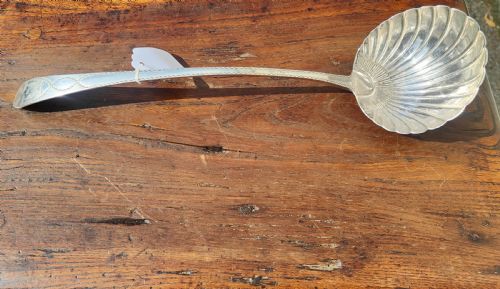
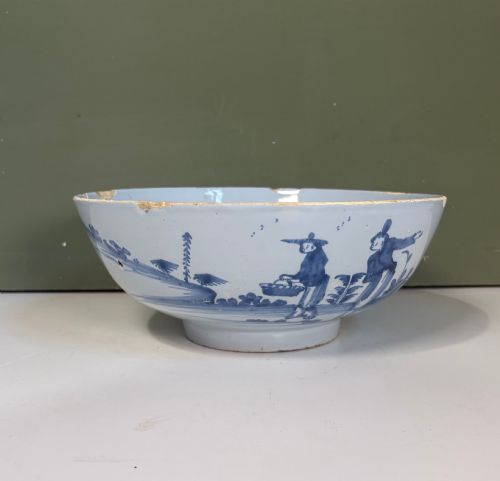
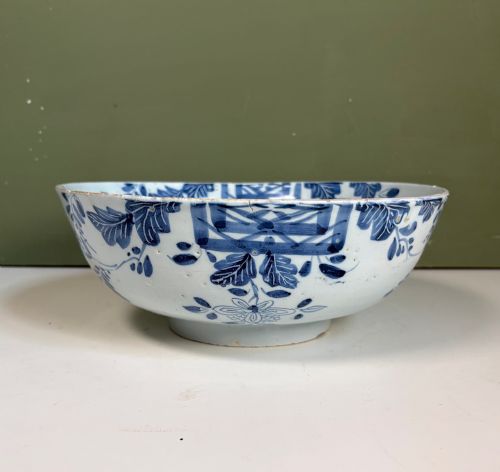
When you search for a georgian punch bowl, you are looking at large serving vessels designed for communal drinking from the eighteenth and early nineteenth centuries. These pieces appear in porcelain, tin-glazed earthenware, and metal, often accompanied by matching ladles and serving utensils.
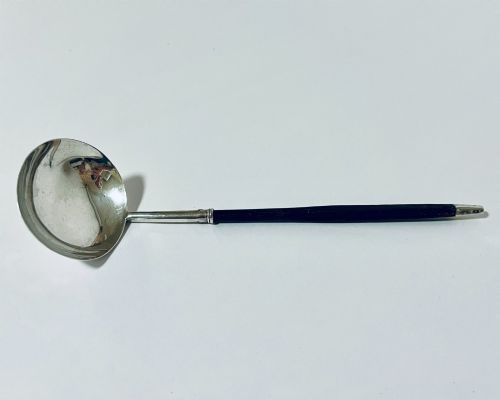
The domestic forms range from deep porcelain basins to brass monteiths and wooden-handled toddy ladles. You will encounter English, continental, and Chinese export porcelain examples alongside regional silver items.
Most entries span the eighteenth century and the Georgian period, encompassing blue and white decoration, Chinoiserie motifs, and plain provincial metalwork. The grouping includes related barware accessories and footed bowls created for the same table.
Distinctions in quality
The upper tier of these pieces displays crisp hand-painted detail from established factories like Worcester or independent decorators such as James Giles, paired with heavy silver weight. Finer examples retain original stands, clear hallmarks, and undamaged enamel or tin-glaze surfaces.
Simpler provincial items and utilitarian ladles show heavier casting, plain wood handles without precious mounts, or minor glaze losses. Quality rests in the clarity of the ceramic decoration, the weight of the silver, and the preservation of the original form.
Georgian Punch Bowl Retail Price Guide 2026
Typical asking prices for georgian punch bowl among the pieces listed under this phrase on Sellingantiques today, from the lower quarter to the upper quarter. They describe what is for sale here now, not the wider market.
Michael Smith·Ridgway·Chamberlain Worcester·James Giles
The Georgian Punch Bowl Glossary
- Monteith
- A bowl featuring a scalloped or notched removable rim designed to hold wine glasses by their bases while chilling in water. This metal form dates back to the late seventeenth and eighteenth centuries.
- Toddy Ladle
- A small serving utensil with a twisted whalebone, horn, or wood handle and a shallow silver bowl. These implements transferred hot punch or spirits from the main bowl into smaller cups.
- Tin-Glazed Earthenware
- Pottery covered with a white tin oxide glaze that provides an opaque background for painted colours. It defines much of the eighteenth-century delftware found in this category.
- Chinoiserie
- European decorative styles inspired by Chinese art and landscapes. This aesthetic appears frequently on eighteenth-century porcelain bowls and tablewares.
Georgian Punch Bowl: Frequently Asked Questions
What were punch bowls used for?
These large vessels held mixed punch made from spirits, water, citrus, and spice during social gatherings and dinners. Guests served themselves using ladles into smaller cups or glasses.
They sat centrally on the dining table or sideboard as both functional barware and decorative centrepieces.
How do I care for antique porcelain?
Wash ceramic pieces by hand in warm water using mild soap, avoiding harsh scrubbing or dishwashers that harm old glazes. Dry them thoroughly with a soft cloth.
Keep silver and metal components polished appropriately and protect wooden handles from excessive moisture.
Are ladles included with the bowls?
Some listings pair bowls with matching silver or wooden ladles, while others offer ladles and serving utensils entirely separately. Check the individual description to see if a utensil accompanies the vessel.
Barware accessories and stands also appear as distinct items.
How can I tell periods apart?
Distinguish periods by examining ceramic paste types, factory marks, silver hallmarks, and decorative styles like blue and white transfer printing or hand-painted Chinoiserie. Eighteenth-century pieces often show thicker tin glazes or early porcelain bodies.
Nineteenth-century items transition towards sharper transfer prints and different factory standards.