





Georgian Pottery Figurines
Georgian pottery figurines are expressive ceramic figures capturing historical, biblical and pastoral subjects, offering a delightful glimpse into early display ornaments.
Georgian Pottery Figurines
Georgian pottery figurines encompass charming ceramic groups, animal models and character figures produced across the late eighteenth and early nineteenth centuries. When exploring georgian pottery figurines, collectors frequently encounter Staffordshire earthenware and pearlware pieces depicting subjects such as lions, sheep, pairs of figures, and literary or biblical scenes. These ceramic objects served as decorative mantel ornaments in homes, reflecting the popular culture and rural motifs of the period.
The selection ranges from early figures made around the turn of the nineteenth century, including works associated with makers like Lakin and Poole, through to pearlware spill vases and salt-glazed or enamel-decorated models. Forms vary from single animals like pugs and setters to elaborate figure groups such as Elijah and the Widow or the Tithe Pig. Buyers will find that many examples date broadly across the nineteenth century while retaining distinct Georgian stylistic qualities.
Materials and production methods
Potters constructed these figures primarily using earthenware and pearlware bodies, finished with distinctive glazes and hand-painted enamel colours. The pearlware glaze, containing a small amount of cobalt, gave a faint bluish tinge to the white surface that helped mask the yellowish body beneath. Artisans also utilised porcelain and bone china for specific figures, applying underglaze or overglaze pigments to bring out the details of clothing, fur and facial expressions.
Moulds formed the basic shape of the figures, allowing workshops to replicate popular subjects efficiently before hand-finishing and firing in kilns. Enamel colours were applied over the glaze and refired to fuse the pigments onto the ceramic body, while some items remained unglazed white bisque. Potters often incorporated functional elements into the ceramic body, creating hollow interiors, pepper pots or spill vase backs.
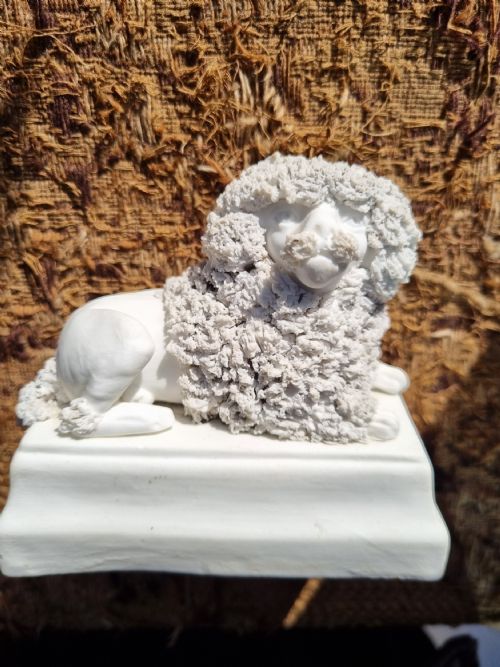
An unglazed white bisque poodle stands ready to hold matches or simply amuse onlookers.
Assessing quality in early pottery figures
The complexity and scale of the subject matter contribute significantly to the standing of a figure within the range. Elaborate multi-figure groups or well-modelled animal pairs demand greater technical skill from the potter than simple single forms. Preservation of the original glaze and minimal restoration ensure the piece retains its intended character.
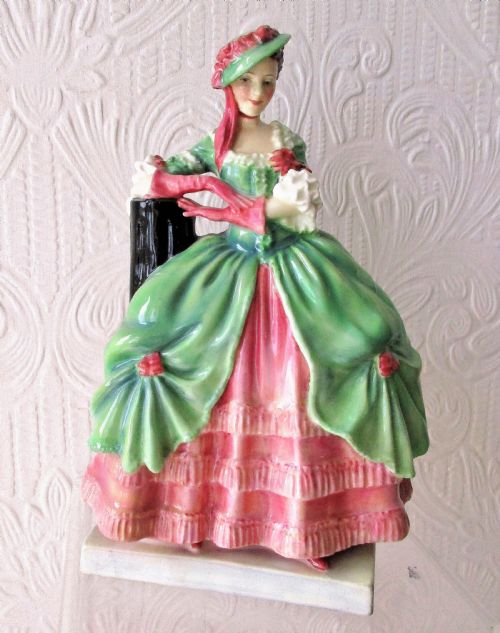
Royal Doulton·Lakin and Poole·Enoch Wood factory
The Georgian Pottery Figurines Glossary
- Pearlware
- A refined earthenware developed in the late eighteenth century featuring a bluish-tinted glaze over a white body. This glaze mimics the appearance of Chinese porcelain.
- Spill vase
- A hollow ceramic holder designed to keep taper spills near a fireplace for lighting candles and pipes. These often form part of a figure group.
- Bisque
- Unglazed ceramic fired once to create a porous, matte white surface. It is frequently seen on nineteenth-century poodles and figural ornaments.
- Prattware
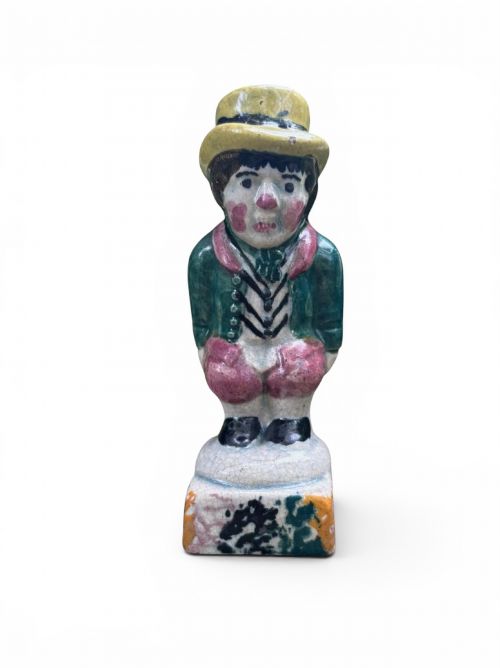
- Earthenware decorated with characteristic low-temperature metal oxide colours under a clear glaze, often featuring blue, ochre, brown and green hues.
- Figure group
- A ceramic arrangement depicting two or more people or animals interacting within a single narrative scene. These often illustrate biblical, theatrical or pastoral themes.
Georgian Pottery Figurines: Frequently Asked Questions
What are pearlware sheep figures?
Pearlware sheep are ceramic models produced in early nineteenth-century Staffordshire, often accompanied by lambs or integrated into spillholders. They reflect the pastoral tastes of the period.
These animals were cast in moulds and decorated with coloured enamels over a pale blue-tinted glaze. They frequently appear on raised grassy bases typical of the era.
How do I identify a pepper pot?
A ceramic pepper pot from this era is a small hollow figure featuring perforated holes in the top for dispensing seasoning. They combine functional kitchenware with decorative figural sculpture.
Examples often depict distinct characters or literary figures, such as Roger Giles, modelled in pearlware with hand-painted details.
What is a cow creamer?
A cow creamer is a hollow ceramic vessel shaped like a cow, used for serving milk or cream from the animal's mouth. A removable lid on the back allowed the vessel to be filled.
These pieces were produced in Welsh and English potteries during the Georgian period. They blend whimsical animal forms with practical table service.
How are figures dated?
Dating relies on comparing the ceramic body, glaze characteristics, and subject matter with documented examples from known periods. Pearlware bodies and specific enamel palettes point towards the late eighteenth and early nineteenth centuries.
Makers' marks, where present, help narrow down the production window. Stylistic comparisons with dated archival pieces provide further chronological context.
Where were these ceramics made?
The majority of these ceramics originated in Staffordshire, which served as the primary centre for British pottery production. Other regional workshops, including Welsh potteries, also produced distinct figural items.
Local access to clay and coal, alongside established transport networks, allowed these manufacturing regions to supply domestic markets with decorative earthenware.