
Georgian Portraiture
Georgian portraiture captures the faces of the eighteenth and early nineteenth centuries through oil paintings, pastels, and detailed engravings.
Georgian Portraiture
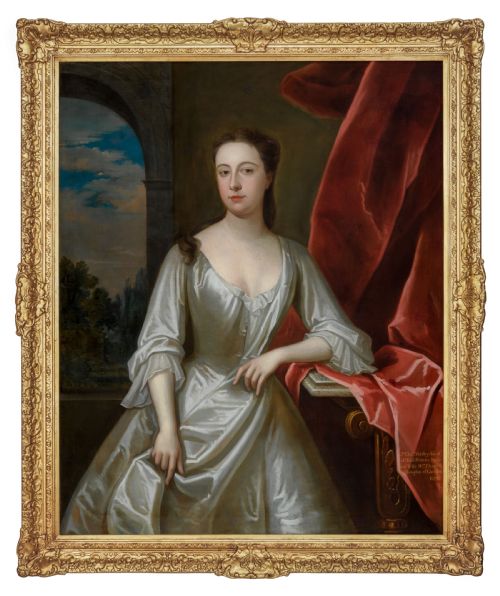
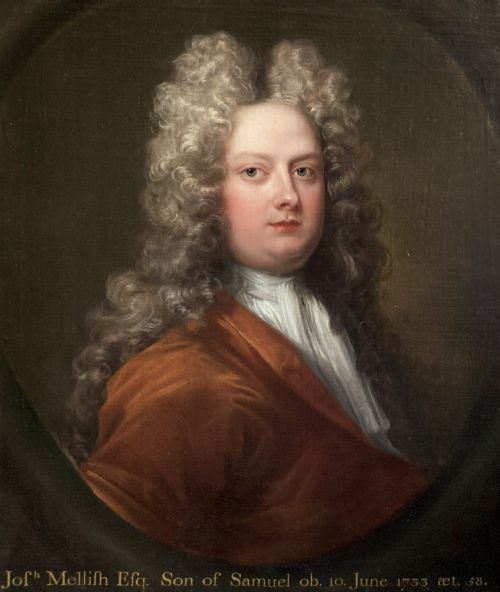
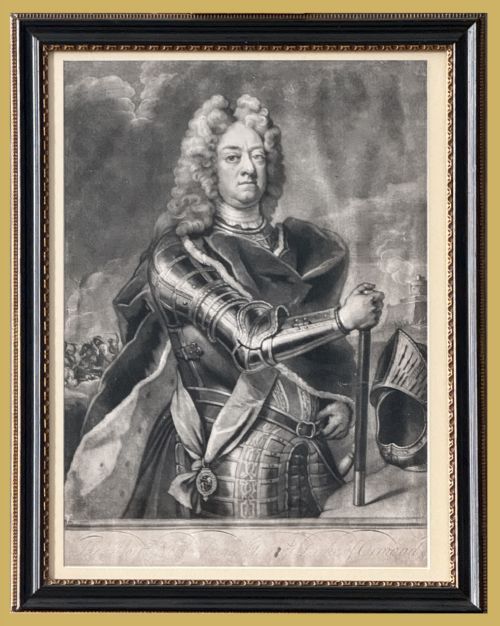
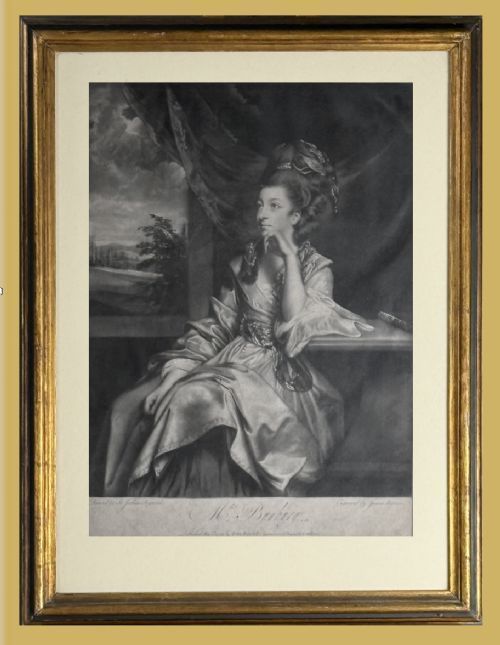
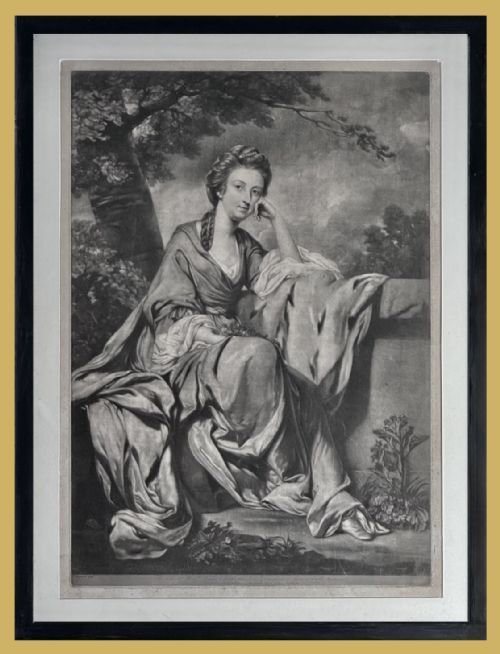
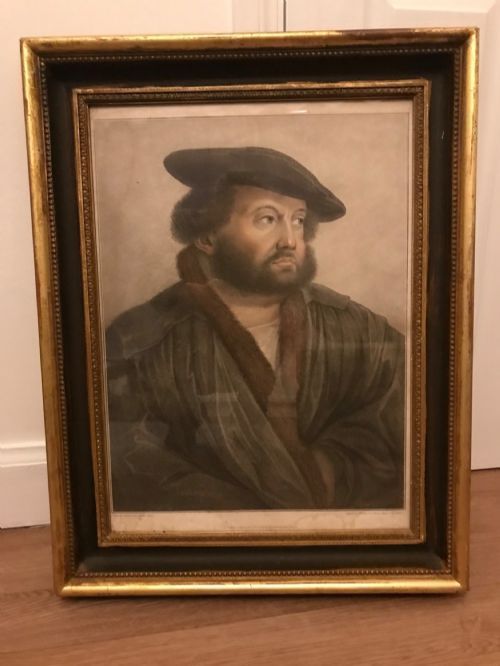
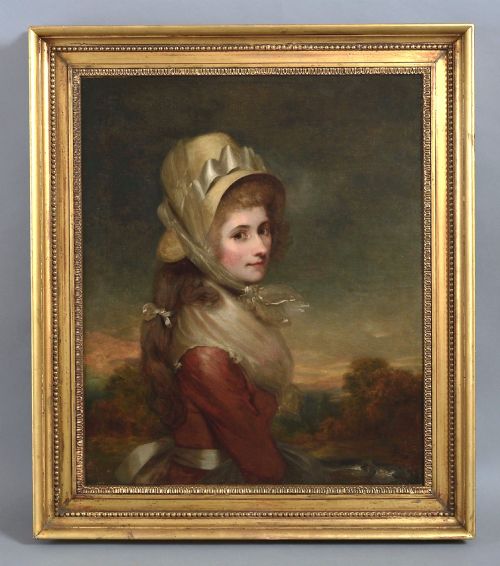
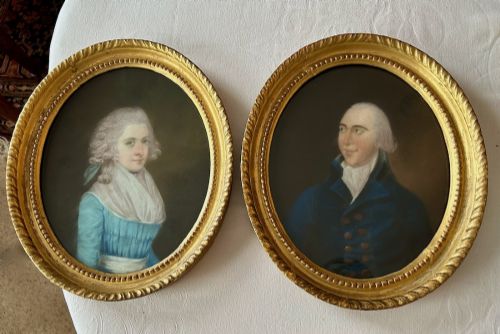
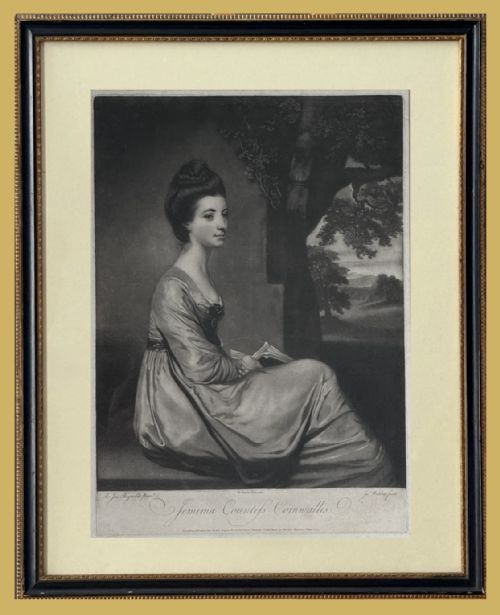
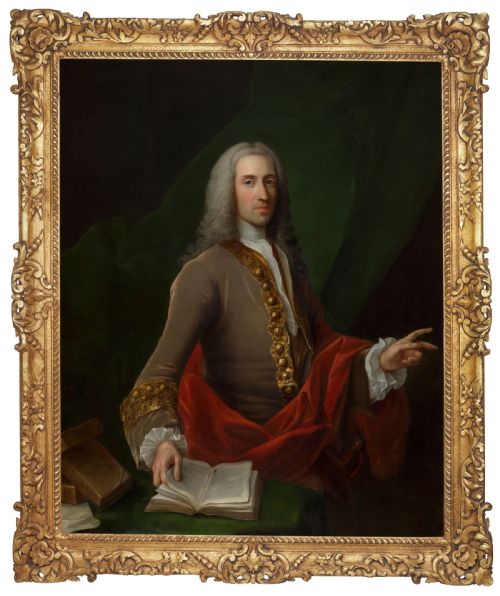
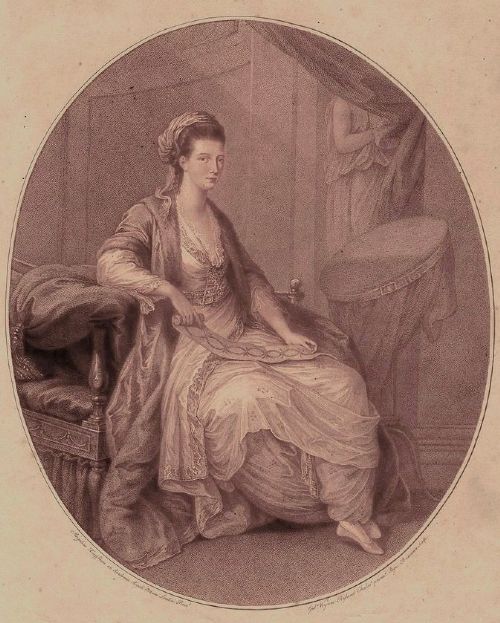
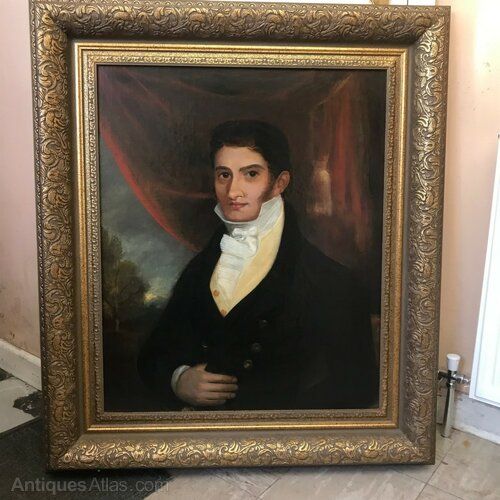
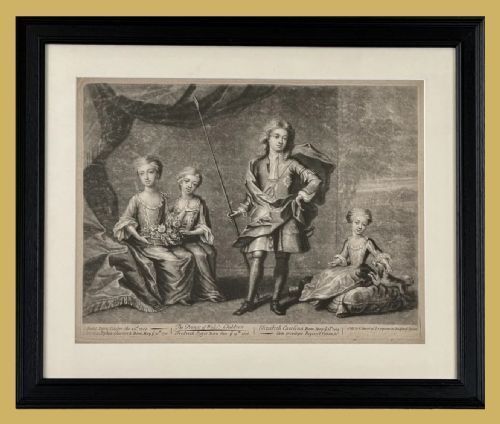
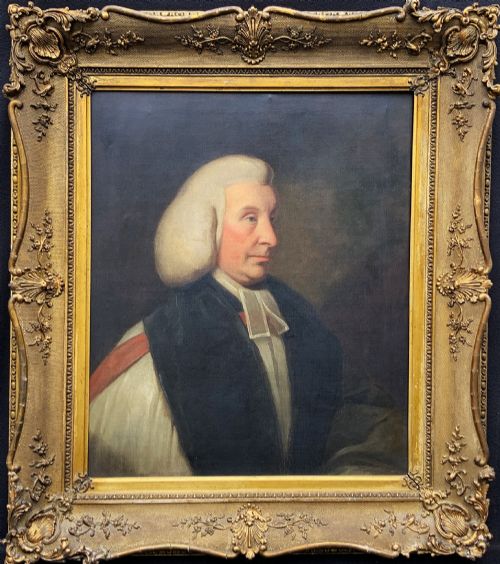
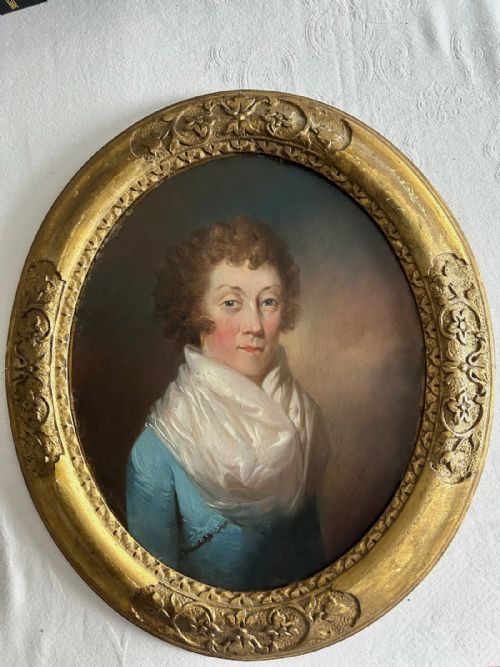
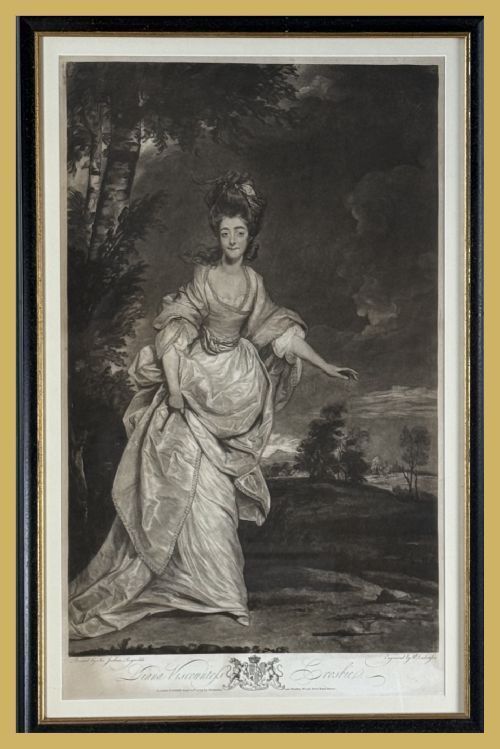
Georgian portraiture presents oil paintings, pastels, silhouettes, and prints depicting sitters from the eighteenth and early nineteenth centuries. The selections on this page feature aristocratic subjects, children, and gentlemen captured by British and European artists. Oil on canvas works and mezzotint engravings dominate the selection, showing the era's focus on likeness and status.
Buyers encounter framed artworks ranging from large original oils to delicate pastel drawings and stipple engravings. The subjects wear period dress, from crimson coats to silk dresses with pearls, often accompanied by objects such as books or pipes. These pieces reflect the prevailing aesthetic of British Baroque, Georgian, and Regency styles.
Materials and technique
Framing played an integral role in presentation, utilising carved giltwood or ebony frames that complemented the visual weight of the artworks. Reverse glass prints introduced a distinct technique where imagery was applied directly to glass plates, producing a glossy finish characteristic of certain decorative pieces.
The object forms include oil paintings, fine art, framed artwork, prints, silhouettes, and reverse glass pieces.
Factors of quality
The distinction between works rests upon the precision of the brushwork and the depth of the sitter's characterisation. Prime works by named artists or their immediate circles display superior control over light, shadow, and fabric texture compared to standard studio copies or anonymous school pieces.
The condition of the canvas, the preservation of original pigments, and the presence of period-appropriate giltwood frames influence the standing of an individual artwork. Engravings achieve higher regard when the impression remains crisp and deep, showing minimal wear on the printed lines.
Sir Godfrey Kneller·Charles Jervas·Michael Dahl·James Watson·Sir Joshua Reynolds·Edward Fisher·Francesco Bartolozzi·Sir Martin Archer Shee·Jeremiah Davison·Thomas Beach·Sir Allan Ramsay·Augustin Edouart·John Russell·Thomas Gainsborough·Joseph Highmore·John Hamilton Mortimer·Sir Thomas Lawrence
The Georgian Portraiture Glossary
- Mezzotint
- A printmaking process where the copper plate is roughened to achieve rich tonal gradations. This method allowed printmakers to translate the soft shadows of oil paintings onto paper.
- Stipple engraving
- A technique using dots of varying density to create images with delicate tonal shifts. It gained popularity during the late eighteenth century for reproducing portraits.
- Giltwood
- Wood carved and coated with gold leaf to form decorative frames. These frames provided a bright, ornate border for formal oil paintings.
- Reverse glass print
- An image painted or printed onto the back side of a glass panel to be viewed from the front. This technique yielded a smooth, reflective surface popular for decorative portraits.
- Pastel
- A medium composed of powdered pigment and a binder, applied dry to paper. Artists used pastels to achieve soft skin tones and textured fabrics.
Georgian Portraiture: Frequently Asked Questions
What subjects appear in these portraits?
The artworks depict named individuals including aristocrats, military officers, children, and literary figures from the eighteenth and nineteenth centuries. Sitters range from nobility like the Duke of Ormonde to children with pets and everyday gentlemen.
The inclusion of specific clothing, such as crimson coats and bonnets, along with props like books or pipes, helps identify the social standing and occupations of the portrayed figures.
How do oil paintings differ from engravings?
Oil paintings utilise pigment bound in oil on canvas or wood, offering textured brushwork and deep colour variation unique to each hand-painted canvas. Engravings are printed works on paper created by pressing inked metal plates.
While paintings represent original, one-of-a-kind creations by artists or their studios, mezzotints and stipple engravings allowed popular painted portraits to be shared across households during the period.
How should I care for a canvas portrait?
Canvas paintings require stable environmental conditions away from direct sunlight and excessive humidity to prevent paint cracking or canvas sagging. Dusting should be done gently with a soft, dry brush without applying pressure to the paint surface.
Original giltwood frames benefit from careful cleaning around the carved details, avoiding liquid cleaners that might damage the gold leaf.
How can I tell the period of a portrait?
Dating relies heavily on the sitter's costume, hairstyle, and framing style, which shifted from elaborate British Baroque garments to Regency and Victorian attire. Inscriptions, signatures, and biographical dates of the sitters also provide clear chronological markers.
Stylistic conventions, such as the use of pastel versus heavy oil paint, help distinguish eighteenth-century works from later nineteenth-century interpretations.