

Georgian Porcelain China
When you handle georgian porcelain china, you hold fragile domestic history shaped by eighteenth-century kilns.
Georgian Porcelain China
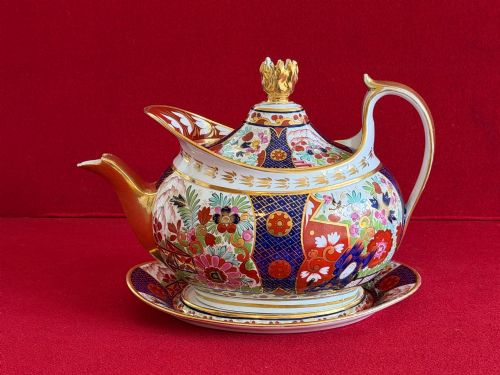
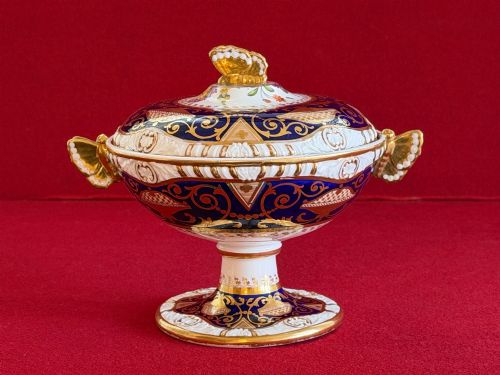
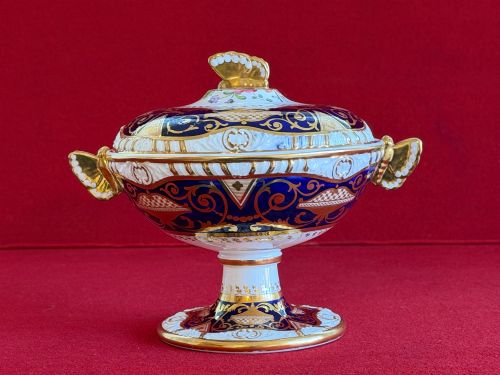
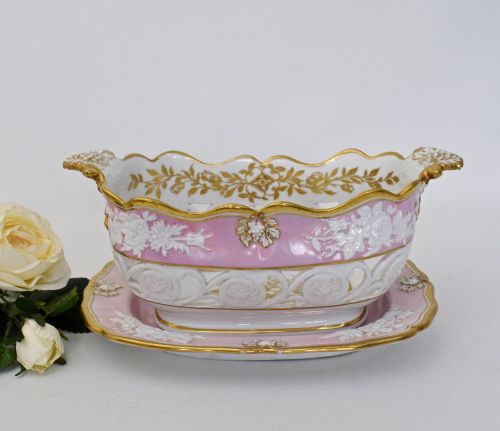
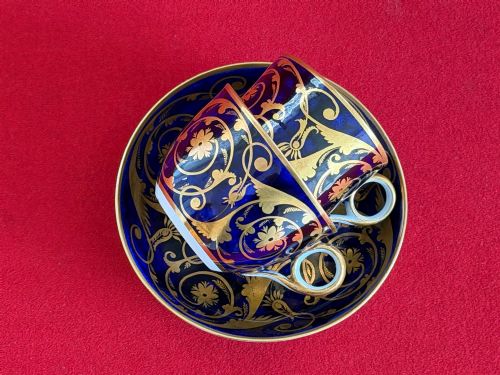
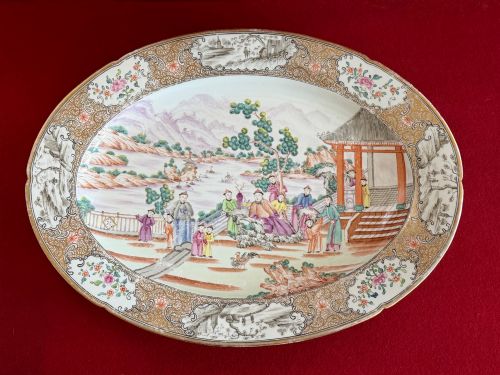
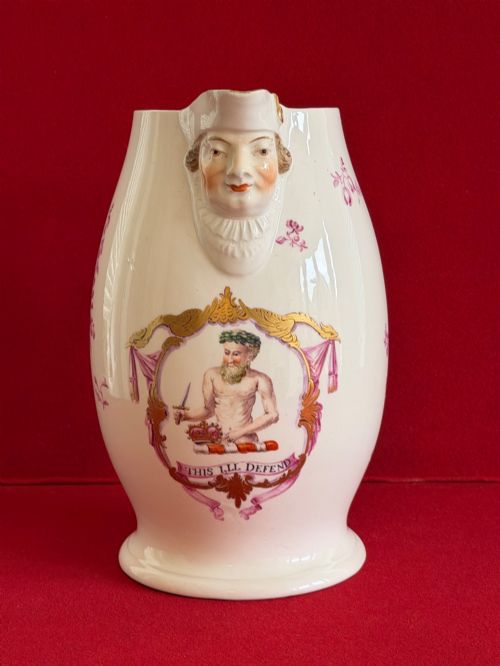
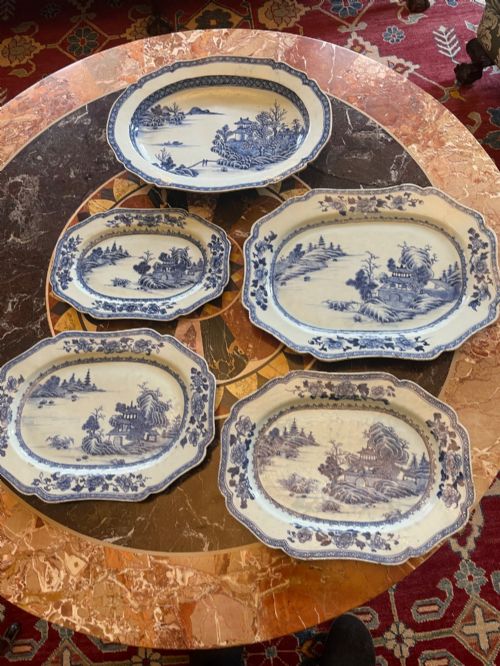
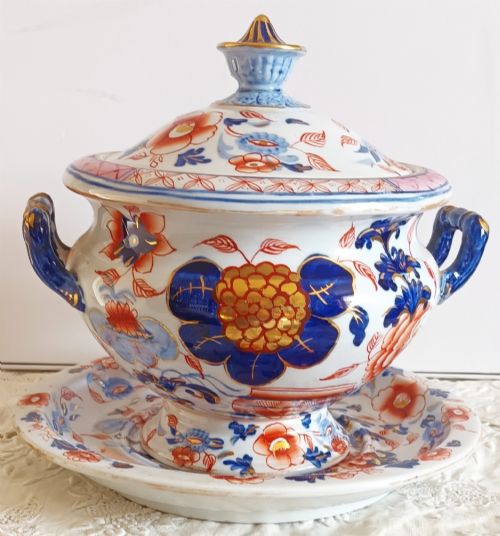
Georgian porcelain china encompasses domestic tea services, decorative dishes, and cabinet pieces produced across the eighteenth and early nineteenth centuries. The items found here span useful tablewares like teacups, saucers, teapots, and milk jugs alongside ornamental vases, baskets, and tureens.
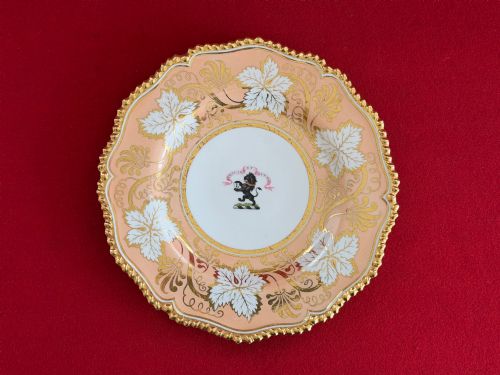
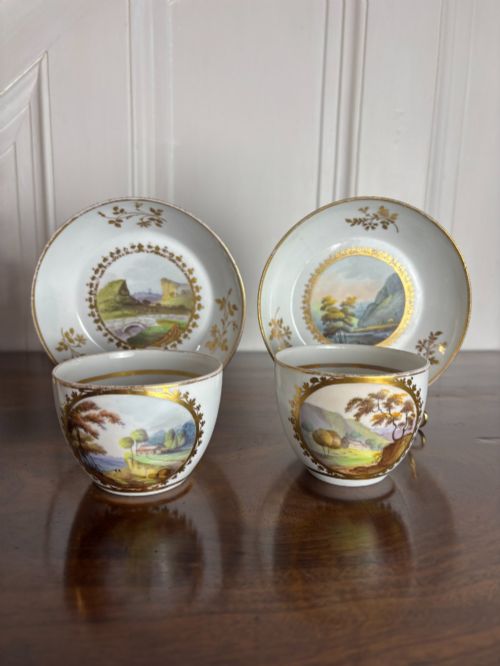
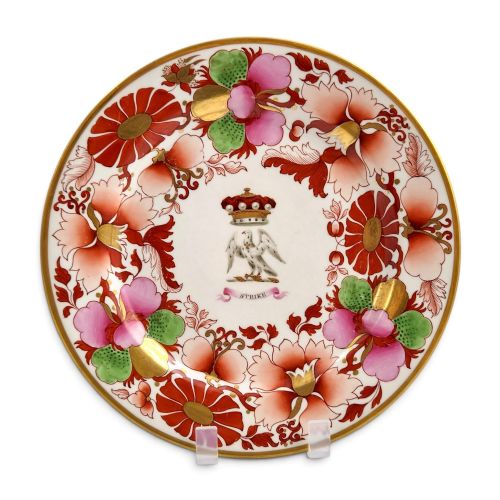
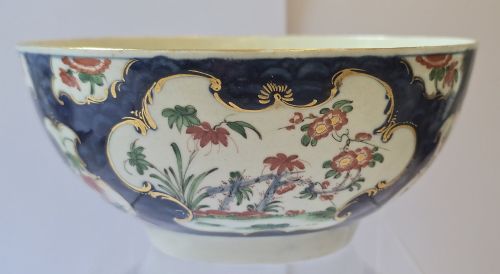
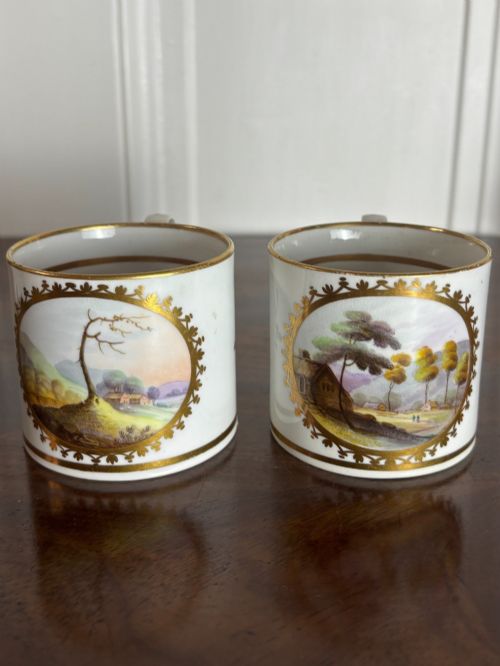
Most examples originate from prominent English factories operating during the Georgian and Regency eras. Collectors encounter wares featuring handpainted floral motifs, armorial designs, and transfer prints applied to soft-paste or bone china bodies.
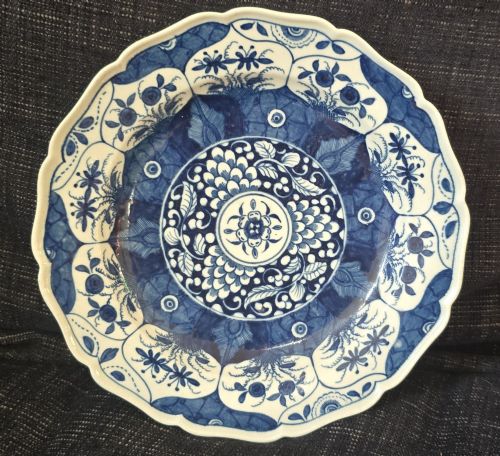
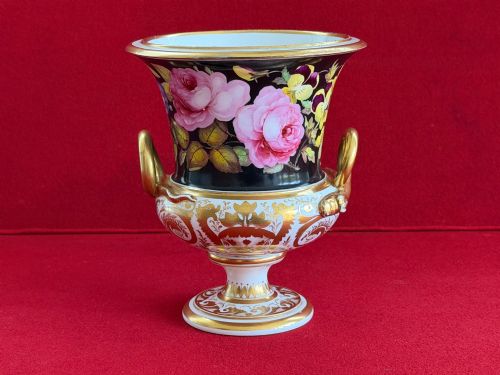
The forms reflect changing dining and social habits of the period, moving from utilitarian tea bowls to elaborate garnitures and cabinet trios. Pieces range from simple blue and white Worcester patterns to richly gilded Spode and Derby tablewares.
Manufacturing methods and materials
Makers utilised soft-paste porcelain and bone china bodies, shaping them through throwing on a wheel or pressing into moulds. Potters then applied liquid glazes before firing the ceramic pieces in high-temperature kilns to achieve a vitreous finish.
Decoration relied heavily on handpainted enamels, polychrome pigments, and gold leaf gilding applied over or under the glaze. Specialised painters executed intricate floral sprays, landscapes, and armorial crests by hand before a final low-temperature fixing fire.
Georgian Porcelain China Retail Price Guide 2026
Typical asking prices for georgian porcelain china among the pieces listed under this phrase on Sellingantiques today, from the lower quarter to the upper quarter. They describe what is for sale here now, not the wider market.
Some teapots arrived diminutive enough to be termed toy teapots, built for dolls or miniature tea displays.
Quality variations in historical ceramics
Quality rests upon the crispness of the moulding, the stability of the glaze, and the precision of the handpainting. Superior items display clean lines without kiln distortion, smooth glaze coverage free from excessive pitting, and finely detailed enamel work by named or skilled hands.
The complexity of the pattern and the application of gold leaf also separate ordinary domestic ware from high-status cabinet pieces. Workshops employed master decorators whose delicate brushwork elevates standard porcelain into exceptional decorative art.
Spode·Derby·Worcester·New Hall·Coalport·H and R Daniel
The Georgian Porcelain China Glossary
- Soft-paste porcelain
- An early artificial ceramic composition made from white clay, glass, and ground minerals fired at lower temperatures than hard paste. It possesses a warm, slightly creamy body often associated with eighteenth-century English factories.
- Bone china
- A durable ceramic material developed by adding calcined animal bone ash to kaolin, feldspar, and stone. This mixture produces a brilliant white, translucent body capable of supporting delicate forms.
- Gilding
- The application of gold leaf or powdered gold to the ceramic surface for decorative accent. Artisans fixed the gold through a secondary firing before burnishing it to a bright finish.
- Enamel
- Opaque coloured glass fused to the porcelain surface during decoration. These mineral pigments provide the vibrant palette seen on handpainted tea wares and cabinet plates.
- Glaze
- A glassy coating fused to the ceramic body by heat to seal the porous clay. It protects the painted decoration and gives the piece its characteristic shine.
Georgian Porcelain China: Frequently Asked Questions
How do I date georgian porcelain china?
Dating relies on identifying factory marks, pattern numbers, and stylistic changes associated with specific reigns and periods. Analysts examine the composition of the paste and the nature of the glaze to narrow down the decade of production.
Changes in factory partnerships, such as shifts from Flight to Flight, Barr and Barr at Worcester, provide precise chronological windows for marked items.
Were these pieces used daily?
Many items, including teacups, saucers, and teapots, were manufactured for active domestic dining and social rituals. Wealthy households utilised these porcelain sets during formal tea service.
Finer cabinet cups, garnitures, and armorial plates served primarily as decorative displays of status rather than functional tableware.
What is the difference between soft-paste and bone china?
Soft-paste porcelain is an early composition containing glass frit and white clay, fired at lower temperatures, resulting in a softer appearance and warmer hue. Bone china incorporates animal bone ash, creating a stronger, whiter, and more translucent material.
Bone china eventually replaced soft-paste bodies as the standard medium for English ceramic production in the nineteenth century.