


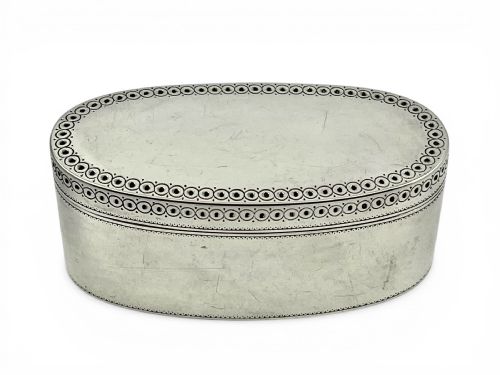


Georgian Pocket Trinket
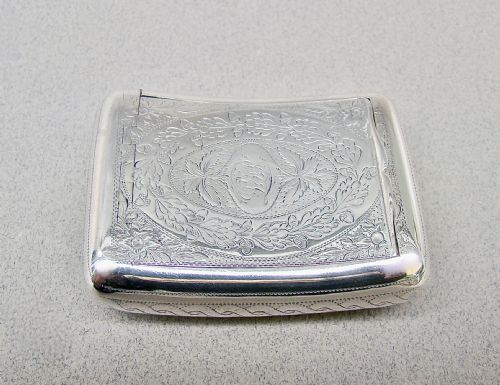
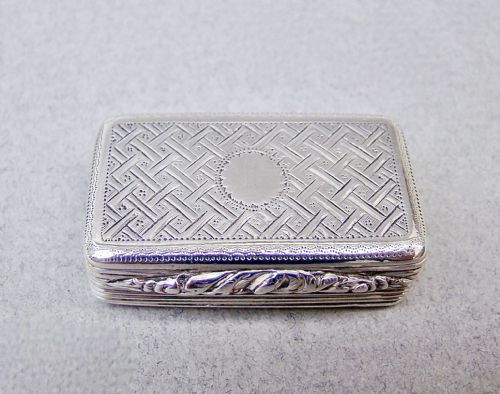
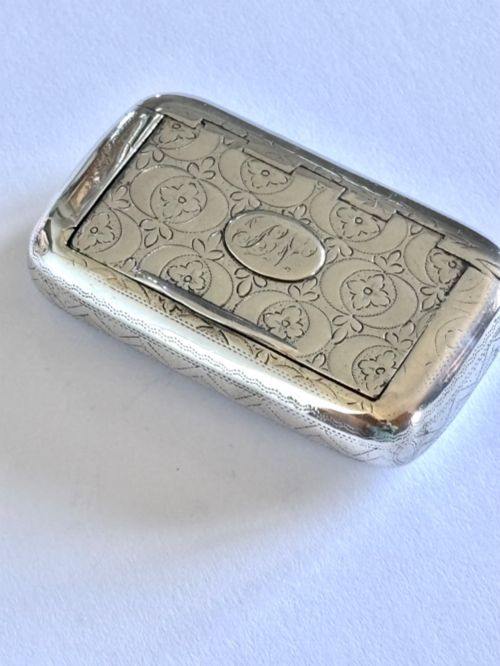
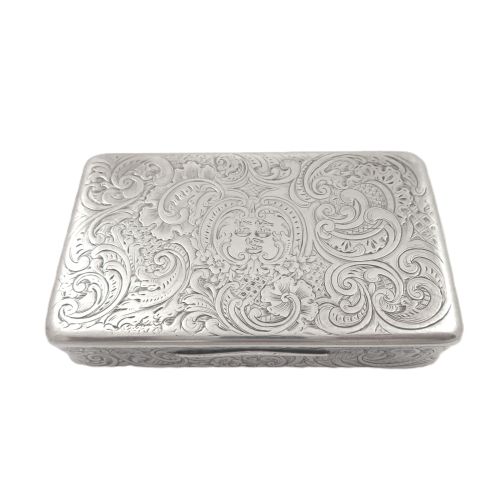
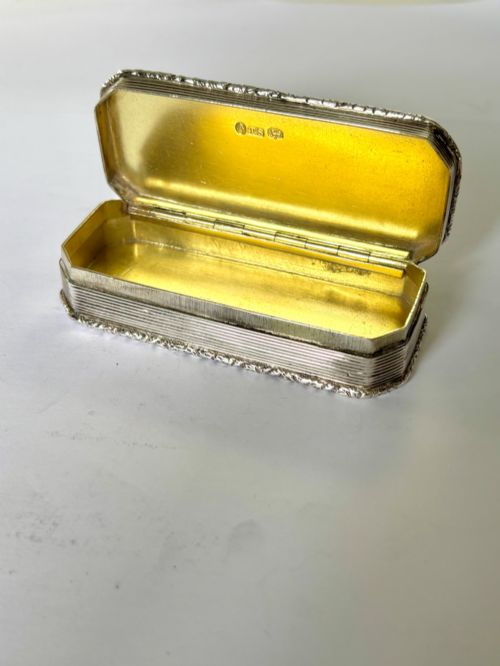
A georgian pocket trinket is a small silver, gold, or organic container crafted to hold snuff, pills, or a vinaigrette.
Georgian Pocket Trinket
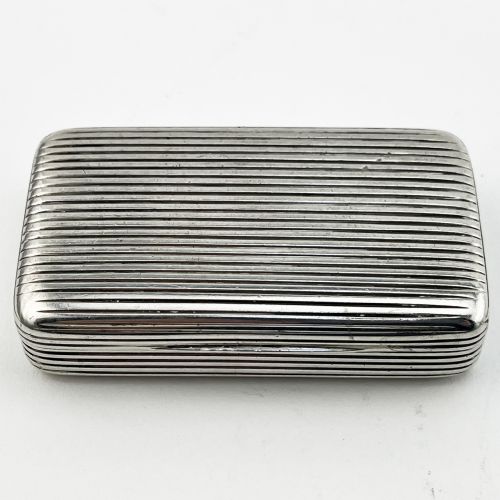
A georgian pocket trinket comprises small portable containers designed for personal use, most frequently taking the form of snuff boxes, pill boxes, and vinaigrettes.
The versions most frequently met on this page date from the Georgian period, alongside pieces stretching from the eighteenth century through the nineteenth century to the Edwardian era.
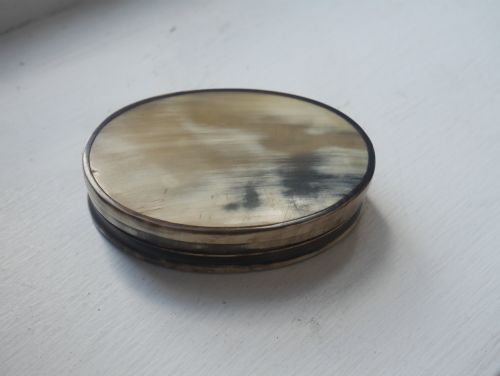
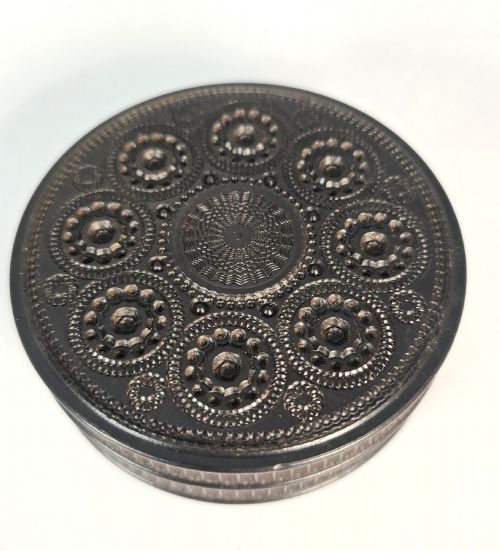
Makers fashioned these miniature objects from sterling silver, silver gilt, gold, brass, tortoiseshell, horn, coquilla nut, and specimen woods.
How they were made
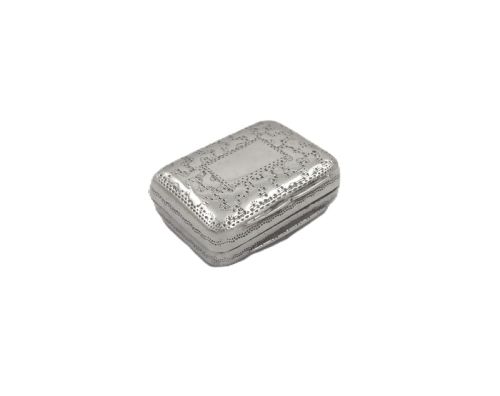
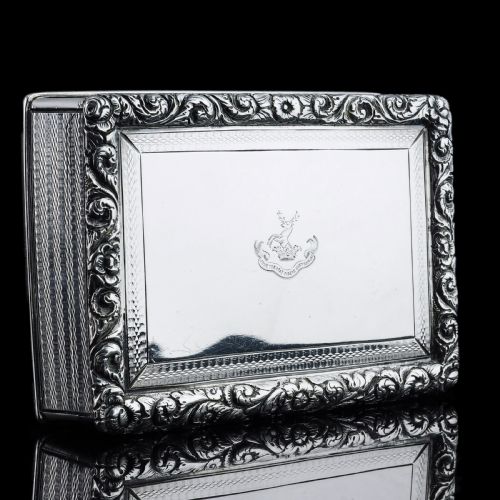
Silversmiths utilised sterling silver and silver gilt, frequently employing bright-cut engraving, chased floral borders, and engine-turning to decorate the metal surfaces.
Craftspeople also worked with organic materials, carving horn, coquilla nut, and tortoiseshell, sometimes mounting these natural substances in gold or silver.
Specialist box makers constructed hinged lids and tight-fitting closures to keep contents secure within waistcoat pockets.
Georgian Pocket Trinket Retail Price Guide 2026
Typical asking prices for georgian pocket trinket among the pieces listed under this phrase on Sellingantiques today, from the lower quarter to the upper quarter. They describe what is for sale here now, not the wider market.
What varies in quality
The distinction between standard examples and the finest pieces lies in the crispness of the chasing, the precision of the engine-turning, and the depth of the metalwork engraving.
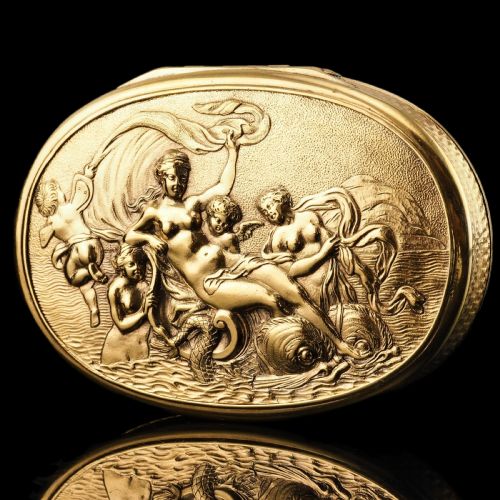
Weight and material choice elevate certain boxes, particularly those executed in solid 18ct gold or heavy silver gilt rather than lighter base metals.
The refinement of the interior piercing in vinaigrettes and the smooth action of the hinges demonstrate the skill of the original workshop.
Joseph Willmore·Joseph Taylor·John Shaw·Thomas Shaw·Alexander James Strachan·John Bettridge·Matthew Linwood·Joseph Ash
The Georgian Pocket Trinket Glossary
- Vinaigrette
- A small container holding a sponge soaked in aromatic vinegar, fitted with a perforated internal grille. This device was carried to mask unpleasant odours.
- Snuff box
- A small pocket container designed to hold ground tobacco leaves for inhalation. These pieces often feature tight-fitting lids to preserve the contents.
- Bright-cut engraving
- A surface decoration technique using faceted angled cuts to create sparkling geometric patterns on silver. It was popular on eighteenth-century and nineteenth-century silver.
- Silver gilt
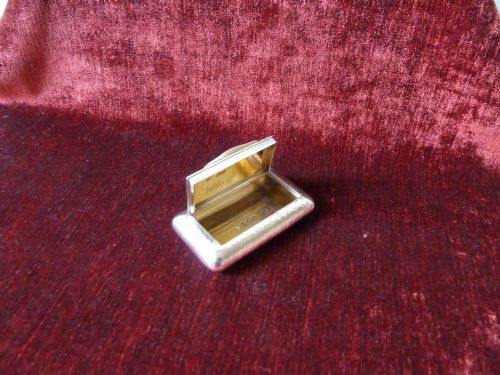
- Sterling silver that has been coated with a thin layer of gold on the interior or exterior. This treatment protected the silver from corrosion caused by acidic contents.
Georgian Pocket Trinket: Frequently Asked Questions
What did people keep in a georgian pocket trinket?
These small boxes held ground tobacco for snuff, medicinal pills, or aromatic vinegar soaked in a sponge.
Their compact size allowed individuals to carry them discreetly in pockets or waistcoats throughout the day.
How do I know if a piece is Georgian?
Look for hallmarks stamped on the metal, which indicate the assay office, date letter, and maker's mark.
Stylistic details such as bright-cut engraving and floral chased borders also point to the eighteenth and early nineteenth centuries.
Were these boxes made from materials other than silver?
Makers utilised a wide array of organic materials alongside precious metals, including tortoiseshell, horn, coquilla nut, and ebony.
Some of these organic containers incorporate gold mounts or inlaid silver decoration.