


Georgian Pine Drawers
Georgian pine drawers bring honest domestic utility and warm tactile surfaces to modern interiors through centuries-old craftsmanship.
Georgian Pine Drawers
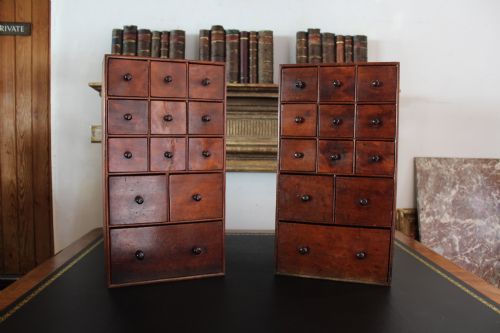
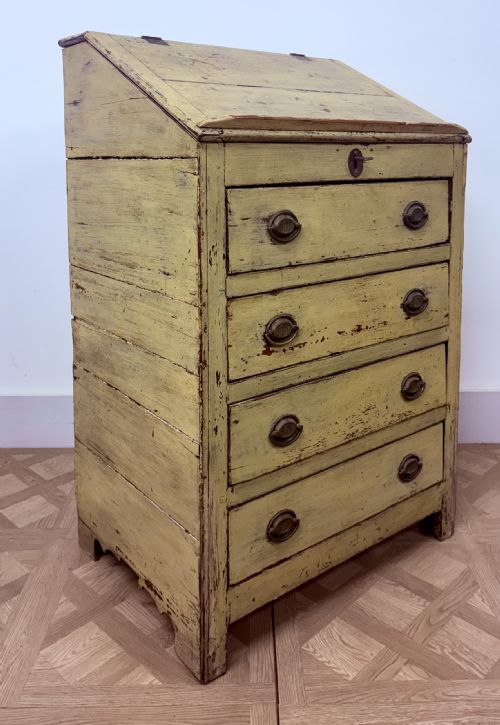
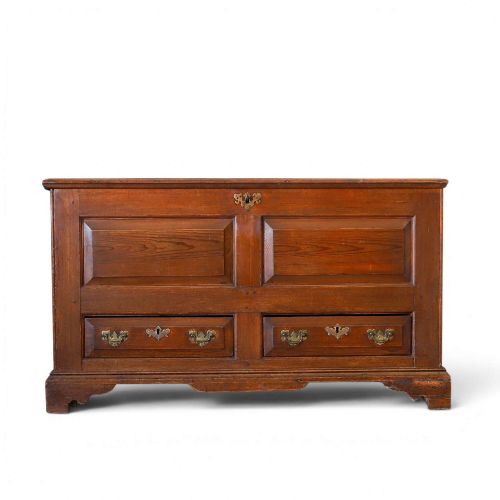
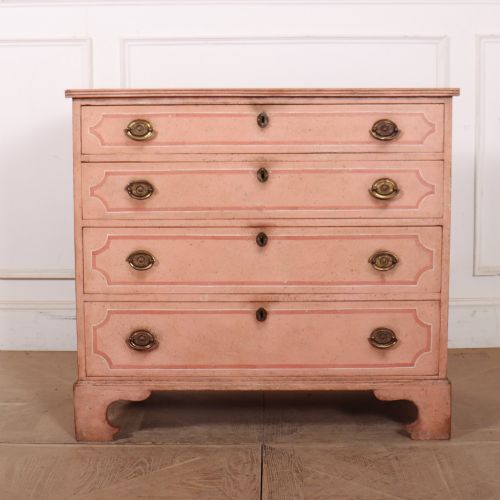
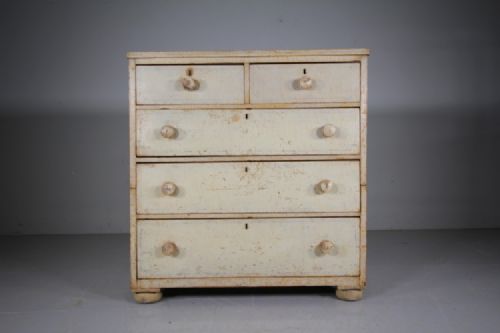
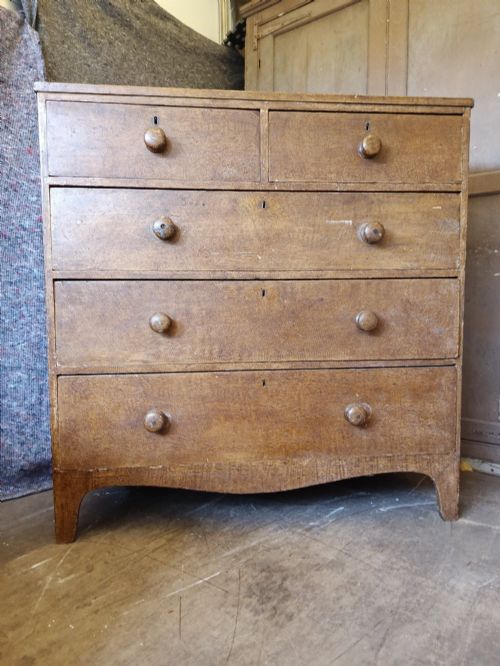
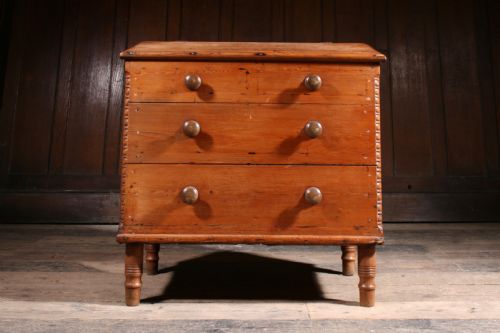
The chests of drawers most frequently appear in standard two-over-three configurations or smaller side arrangements, alongside larger housekeepers' variants and banks of multiple drawers. Surviving pieces often retain their original painted surfaces, scumble glazes, or historical waxed finishes applied to the soft timber over generations of domestic use.
How they were made
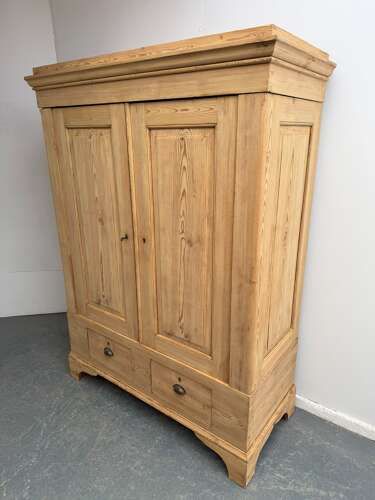
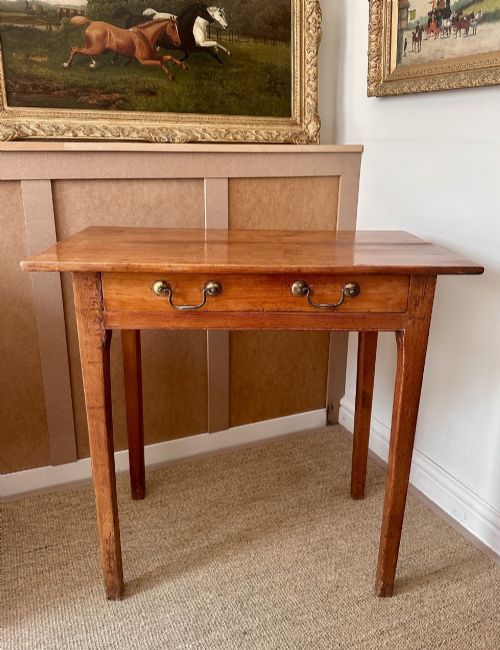
Cabinet makers built these pieces using native pine and occasionally Oregon pine or sycamore, reinforced with iron and brass hardware such as drop handles and escutcheons. Drawers frequently feature hand-cut dovetail joinery, while larger carcasses rest on bracket feet or plain plinths.
Surfaces were either left bare to accept recurring applications of wax or treated with decorative paint schemes, including simulated wood graining and bold painted pigments in green, blue, or black.
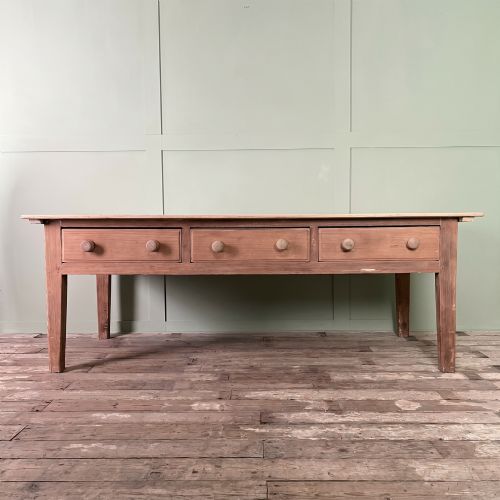
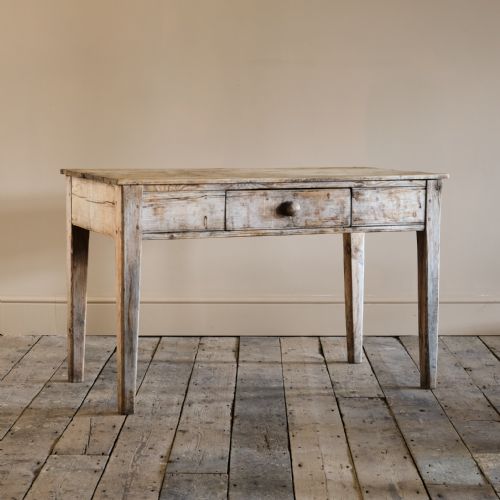
Listings feature eighteenth and nineteenth-century forms including apothecary chests, wall-hanging spice boxes, and dairy prep tables alongside standard chests of drawers.
What varies in quality
The standard of construction depends heavily on the integrity of the timber and the survival of original structural elements like internal drawer runners and backboards. Pieces that retain their untouched surface treatments, whether historic paint or aged wax patination, carry greater historical integrity than those stripped down to bare wood.
Refinement in proportion and detail, such as swept bracket feet, fielded panels, or original brass hardware, elevates individual examples above utilitarian workshop furniture.
Gillows
The Georgian Pine Drawers Glossary
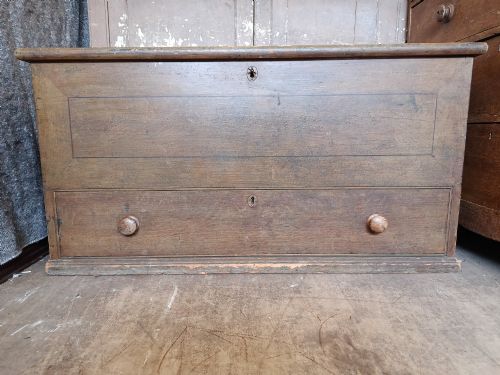
- Mule chest
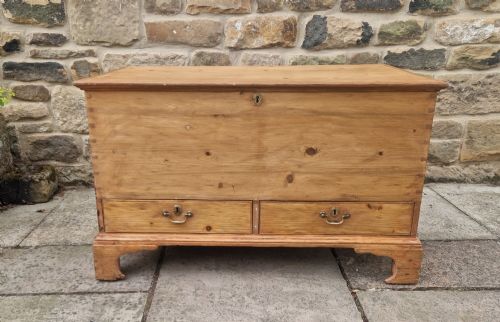
- A storage chest fitted with one or two drawers at the base beneath the main compartment. This form bridges the traditional blanket box and the chest of drawers.
- Scumble paint
- A decorative glazing technique used to create textured, semi-translucent patterns mimicking richer woods or aged surfaces. It appears frequently on country house furniture.
- Bracket foot
- A structural support projecting from the corners of a cabinet base, often shaped with ogee or swept curves. They elevate the carcass neatly off the floor.
- Dovetail
- An interlocking joint formed by wedge-shaped pins and tails, prized for holding drawer corners together securely without modern fasteners.
- Potboard dresser base
- A kitchen sideboard featuring an open lower shelf designed for storing heavy domestic crockery and pots. The surface above provides working space for food preparation.
Georgian Pine Drawers: Frequently Asked Questions
How do I care for antique pine furniture?
Feed waxed pine surfaces periodically with traditional beeswax to maintain the moisture and sheen of the timber. Avoid placing the items near direct heat sources or strong sunlight to prevent timber splitting.
Dust the drawers gently with a dry, soft cloth rather than using chemical sprays or polishes. This preserves the historic patination accumulated over centuries.
Were these drawers originally painted?
Many pieces were painted in period pigments, scumble glazes, or simulated wood grains to disguise cheaper softwood or to match regional interior aesthetics. Original paint layers provide valuable clues to a piece's age and geographical origin.
Subsequent generations often stripped or repainted these surfaces according to changing domestic tastes. Finding a piece retaining its first coat of paint is exceptionally desirable.
Can I use a mule chest as a coffee table?
Lower mule chests and blanket boxes offer sturdy proportions that lend themselves well to alternative living room functions. Their flat lids provide a stable surface for books or trays.
Ensure the interior remains accessible if you store everyday items inside the chest. The historic hinges and timber benefit from gentle handling during daily use.
What is the difference between Georgian and Regency pine?
Georgian pine pieces typically lean towards robust proportions, traditional bracket feet, and heavier fielded panel construction. The aesthetic prioritises straightforward domestic utility and honest country craftsmanship.
Regency examples often display slightly lighter framing, cleaner lines, and occasional influences from classical revival styles. Painted finishes during this later era frequently embraced simulated wood grains.