



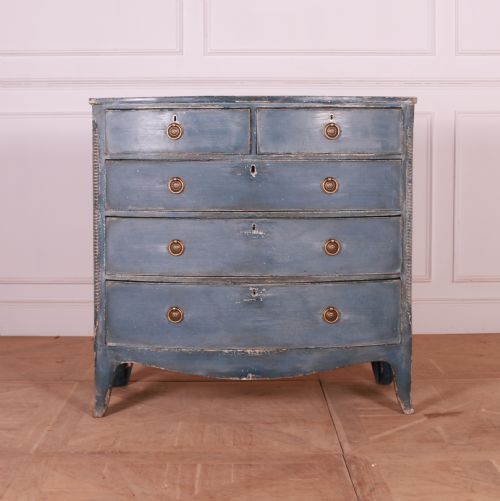
Regency Pine Drawers
Regency pine drawers bring honest utilitarian character to a room, offering warm timber tones and practical storage.
Regency Pine Drawers
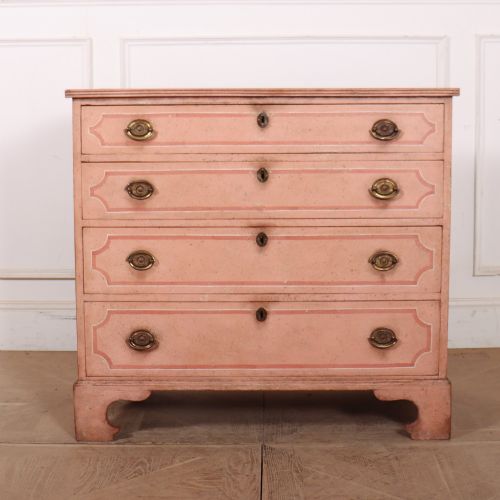
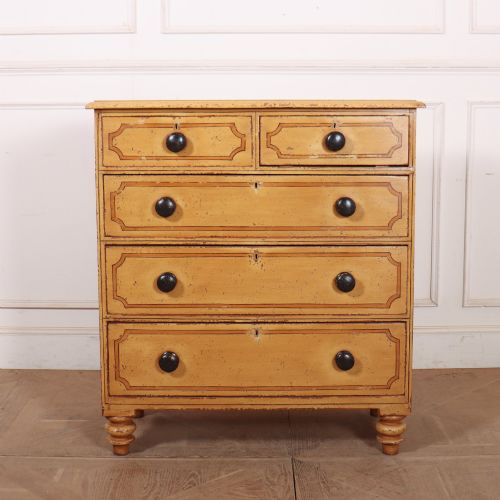
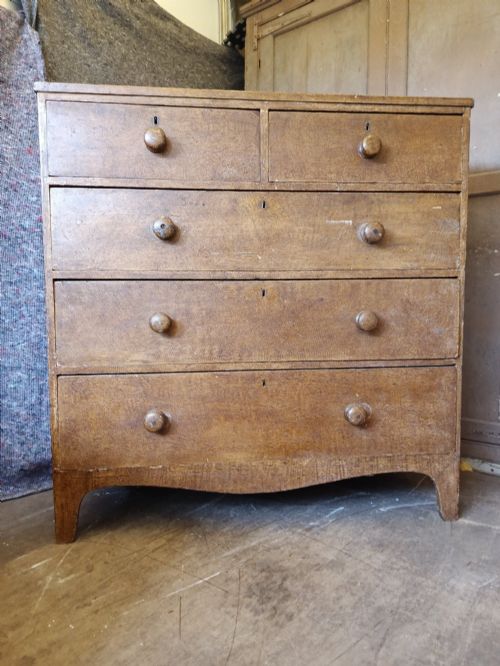
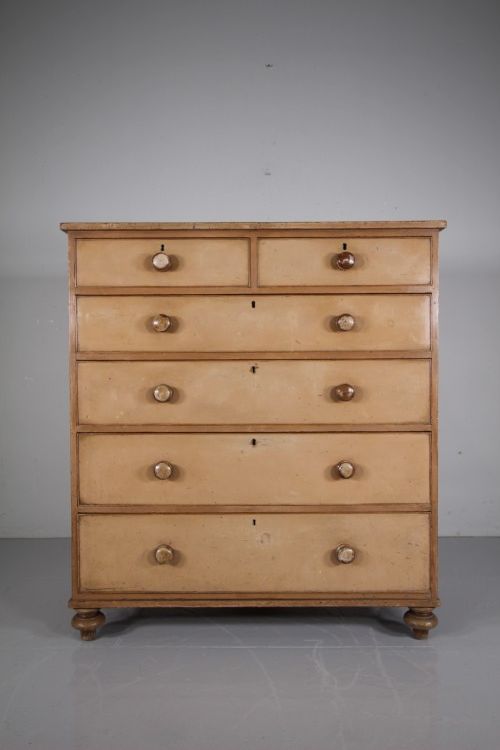
When searching for regency pine drawers, buyers encounter chests of drawers built during the nineteenth century, including Georgian and Victorian overlapping periods. These pieces range from simple English country storage units to more decorative forms featuring applied bamboo mouldings or simulated finishes.
The most common examples on this page are painted or waxed pine chests of drawers, often constructed in two parts for ease of transport. Alongside standard chests, the selection occasionally includes smaller items such as apprentice pieces, washstand chests, and apothecary cabinets.
Materials and Construction
Makers utilised solid pine as the primary timber, shaping the carcases and drawer structures by hand. Surfaces frequently received coats of paint or scumble graining, while certain examples incorporated brass hardware and metal fittings.
Decorative details included applied bamboo mouldings and simulated pine finishes to mimic more expensive exotic hardwoods. Construction methods accommodated the natural movement of timber across the 19th century, joining boards with traditional methods.
Regency Pine Drawers Retail Price Guide 2026
Typical asking prices for regency pine drawers among the pieces listed under this phrase on Sellingantiques today, from the lower quarter to the upper quarter. They describe what is for sale here now, not the wider market.
One tiny chest on record was built entirely as an apprentice piece, proving that small furniture can carry a very large personality.
Assessing Quality and Finish
The distinction between items rests in the survival of original paint surfaces and decorative details like bamboo mouldings. Pieces retaining authentic scumble graining or untouched painted finishes command greater interest than those stripped down to bare wood.
Proportion and scale also define the tier of a piece, from compact apprentice drawers to large two-part chests with double-depth drawers. The integrity of the original hardware, including brass pulls, contributes to the overall cohesion of the furniture.
The Regency Pine Drawers Glossary
- Scumble graining
- A decorative painting technique used to simulate the grain of more costly wood on a pine base. Artisans manipulated wet glaze over a lighter ground colour.
- Apprentice piece
- A smaller version of a chest of drawers made by a craftsman to demonstrate skill. These items often replicated full-sized furniture in every structural detail.
- Two-part chest
- A chest of drawers built in vertically stacked sections to facilitate movement. This form was particularly useful for military officers or travellers.
- Applied bamboo moulding
- Decorative split bamboo sections attached to the exterior frame. This detail reflects the Regency taste for exotic natural motifs.
- Waxed pine
- A finish achieved by applying wax directly to the timber surface to nourish and protect the wood. It produces a soft lustre rather than a high gloss.
Regency Pine Drawers: Frequently Asked Questions
How do I spot original paint?
Original painted surfaces show natural wear, mellow patination, and multiple underlying layers visible beneath minor losses. These finishes feel integrated into the pine rather than sitting as a modern flat coat.
Closer inspection reveals subtle craquelure and softening around the edges where hands touched the drawers over generations. Modern repaint work lacks this depth and historical accumulation of pigment.
Were these painted chests meant for servants?
Painted pine furniture served utilitarian functions across various levels of a household, from country properties to more formal rooms where simulated woods were fashionable. The finish often matched the specific interior decorative scheme.
Simulated pine and scumble graining allowed owners to achieve a stylish appearance without the expense of solid mahogany or exotic timbers. Consequently, they occupied spaces ranging from bedrooms to functional dressing areas.
How do I care for waxed pine?
Waxed pine surfaces require periodic application of traditional beeswax to maintain the moisture barrier and depth of sheen. Avoid placing these chests near direct heat sources that might dry out the nineteenth-century timber.
Dusting with a soft, dry cloth preserves the delicate surface patination. Liquid polishes containing silicone should be avoided as they can degrade the historic wax finish over time.