




Georgian Period Stool
A georgian period stool brings tactile warmth to a room, offering solid timber frames and traditional upholstery that anchor a historic interior.
Georgian Period Stool
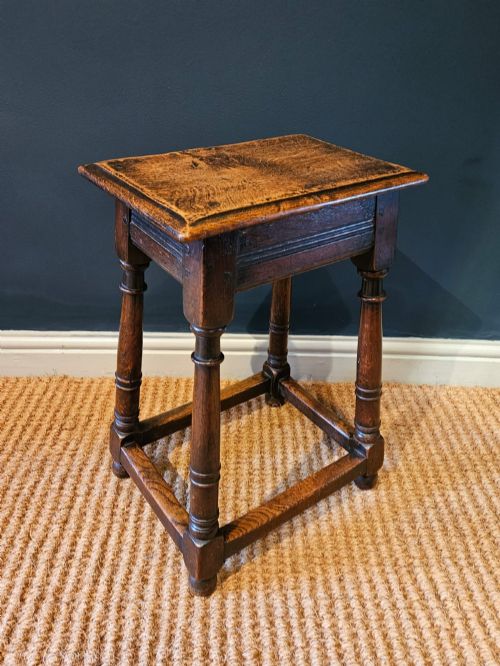
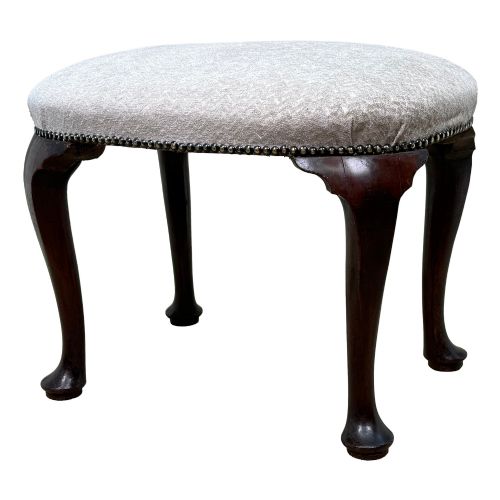
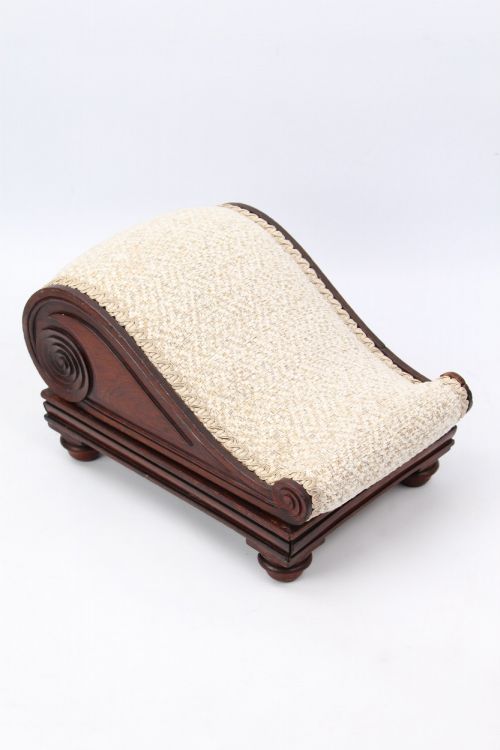
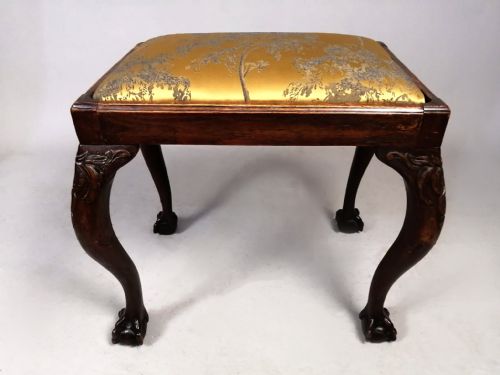
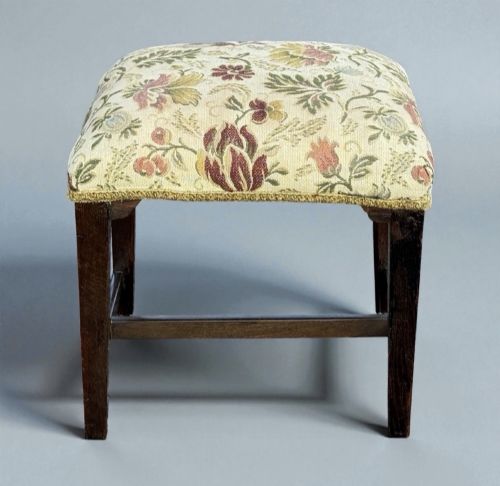
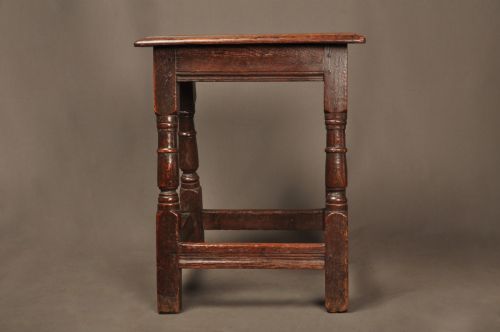
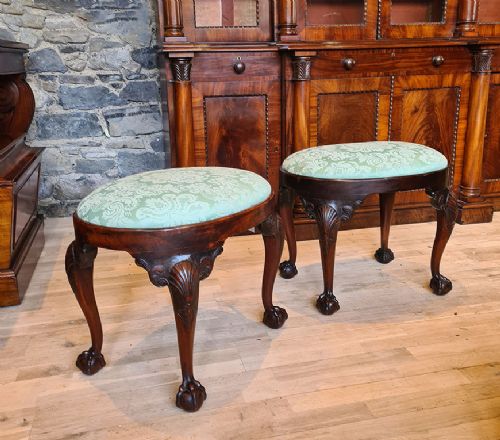
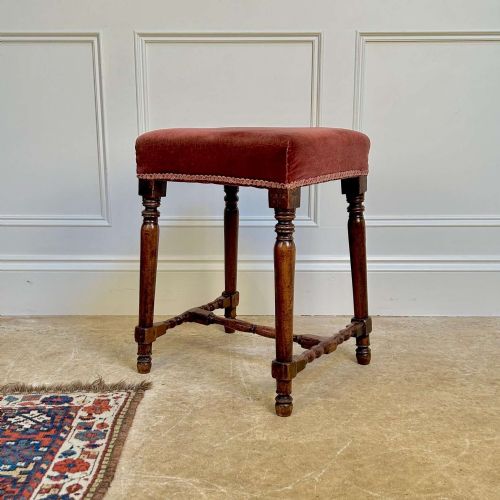
When searching for a georgian period stool, buyers encounter a diverse selection of seating, from robust joint stools to upholstered footstools and dressing table seats. The inventory spans several centuries and styles, though pieces conforming to the eighteenth century and Georgian eras form the core of the selection.
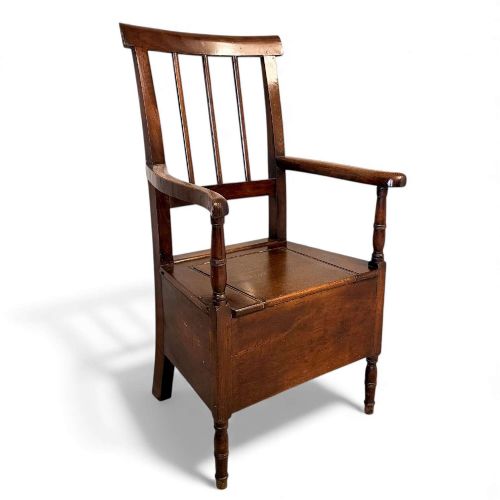
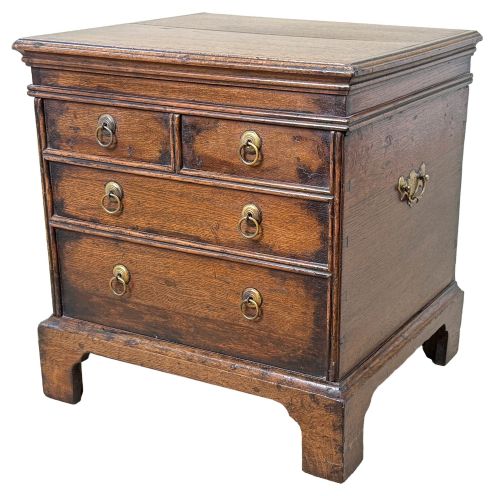
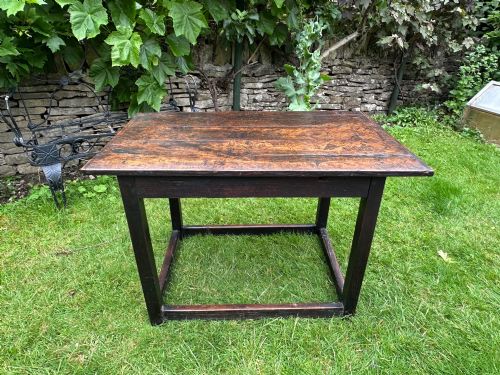
Forms vary considerably according to domestic function, ranging from simple oak plank tops to elaborate mahogany dressing table stools and close stools disguised as bedside chests. Alongside these, related items like footstools, commode chairs, and occasional tables appear within the broader stylistic category.
Origins and regional variations add character, including Irish carved elm examples and pieces featuring distinctive cross-framing or rosewood finishes. Buyers are most likely to meet solid timber construction paired with period upholstery, such as tapestry or fabric coverings.
Distinguishing quality
Superior examples display crisp carving on timber frames, particularly evident in the detailing of legs and rails. The choice of materials dictates baseline excellence, with dense walnut or figured mahogany holding greater regard than utility woods.
Proportion and structural integrity separate standard pieces from exceptional ones. Original surface patination and untouched timber joints elevate an item's standing among collectors.
Georgian Period Stool Retail Price Guide 2026
Typical asking prices for georgian period stool among the pieces listed under this phrase on Sellingantiques today, from the lower quarter to the upper quarter. They describe what is for sale here now, not the wider market.
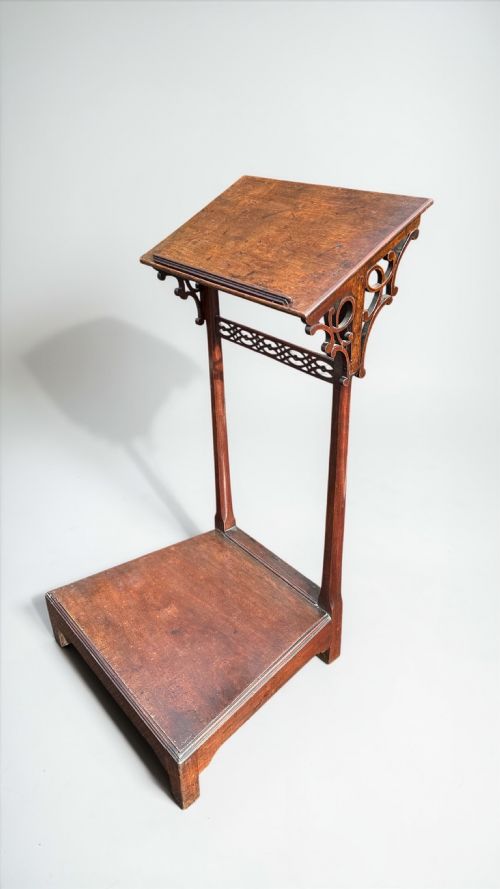
Object forms include footstools, close stools, high chairs, and prie dieu.
Gillows
The Georgian Period Stool Glossary
- Joint stool
- A low wooden seat constructed with mortise and tenon joints, common in domestic interiors before the widespread adoption of upholstered chairs. These sturdy items served multiple household purposes.
- Close stool
- A cabinet or box enclosing a chamber pot, designed to resemble a small chest or seating furniture. They offered discreet convenience in upper-floor bedchambers.
- Prie dieu
- A devotional wooden chair or stool featuring a low seat and a sloping desk shelf for kneeling and prayer. Such pieces reflect private domestic religious practices of earlier centuries.
- Commode chair
- An enclosed seat housing a commode pan beneath a hinged lid, bridging the gap between utilitarian sanitation and polite furniture. They often mirrored the prevailing chair styles of their decade.
- Rosewood
- A dense, heavily figured tropical timber valued for its rich dark colour and distinct grain patterns. Cabinetmakers utilised it for fine Regency and Georgian decorative pieces.
Georgian Period Stool: Frequently Asked Questions
What is a joint stool?
A joint stool is an early wooden seat built with pegged mortise and tenon joinery rather than glued joints. These sturdy pieces served multiple household functions in domestic spaces.
They often provided extra seating or served as small tables when the need arose in historic rooms.
How were close stools used?
A close stool functioned as a concealed indoor sanitation unit, usually built to look like a small chest or chair. A hinged lid covered an interior cavity designed to hold a ceramic chamber pot.
Craftsmen housed these items in bedchambers to provide discreet personal convenience during the eighteenth century.
What defines a George III stool?
George III stools reflect the stylistic shifts during the reign from mid-century carving to neoclassical refinement. Makers utilised mahogany and oak, often incorporating upholstered tops.
Their legs and frames demonstrate the prevailing furniture fashions of the later eighteenth century.
How do I care for antique timber?
Maintain antique timber seats by keeping them away from direct heat sources and fluctuating humidity levels. Gentle dusting with a dry cloth preserves the aged finish without stripping natural patination.
Avoid using modern silicone polishes, which can build up on historic wood surfaces over time.