
Georgian Period Framed Art
Georgian period framed art brings together centuries-old paintings, pastels, silhouettes, and engravings preserved in their original surrounds.
Georgian Period Framed Art
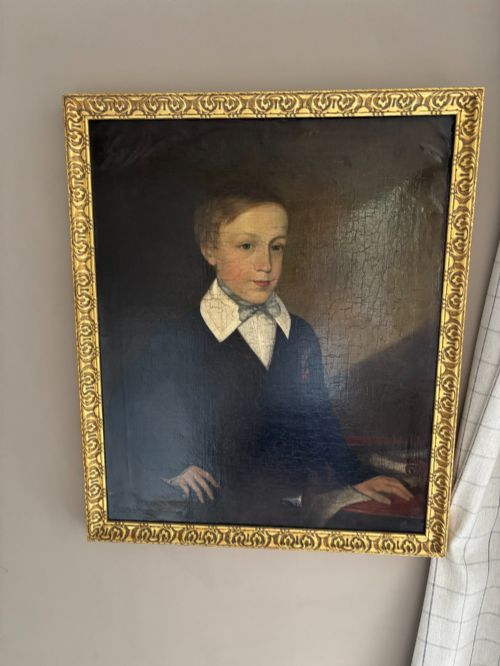
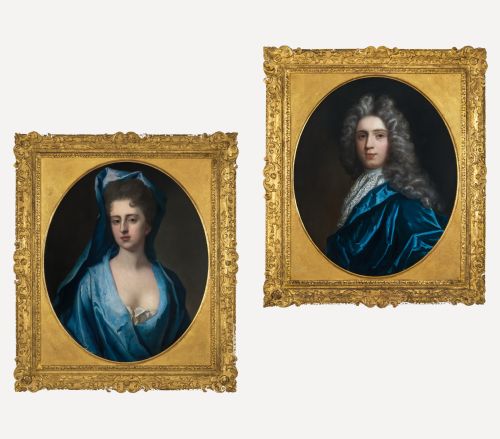
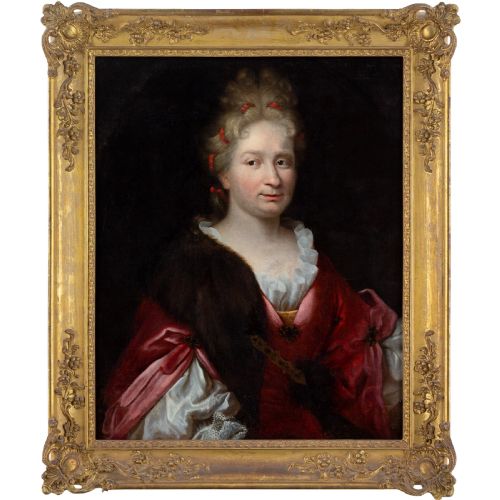
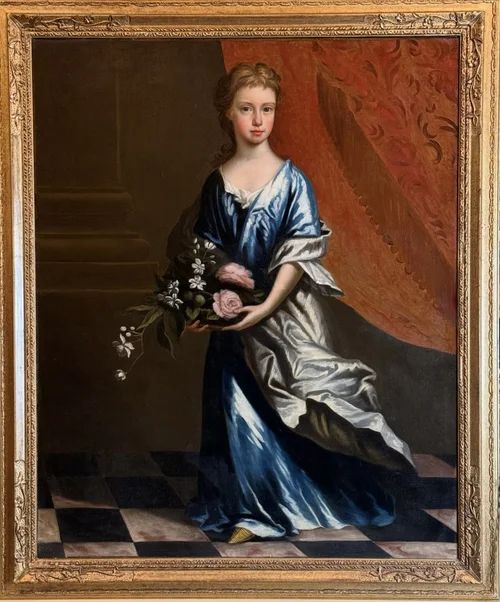
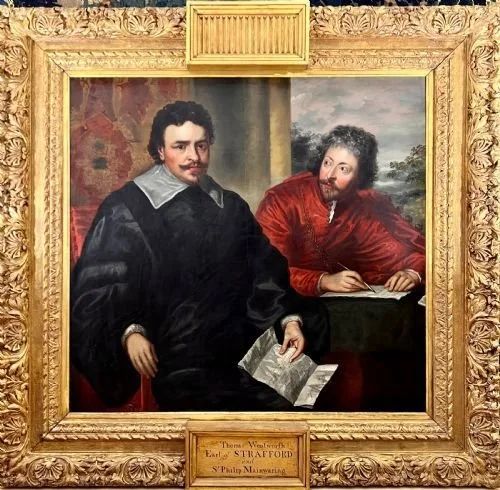
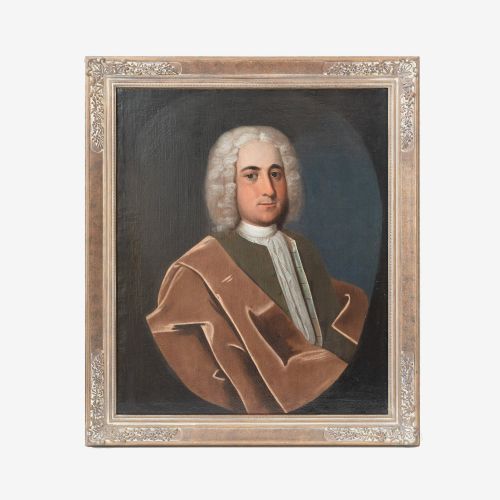
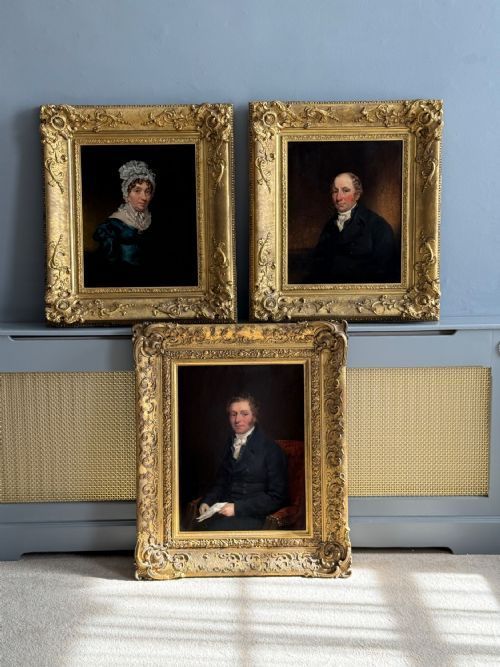
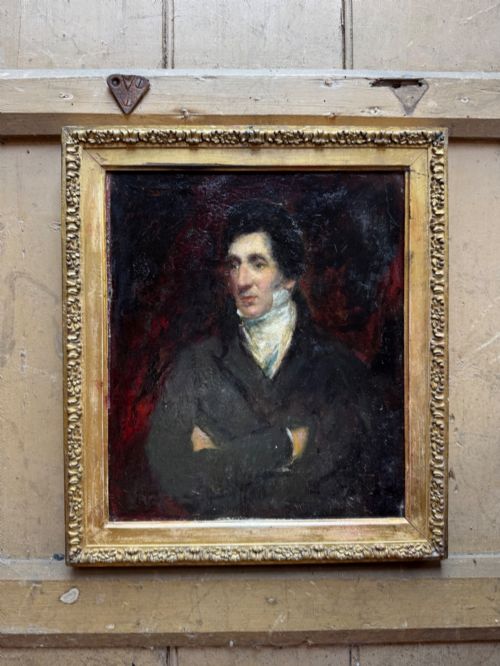
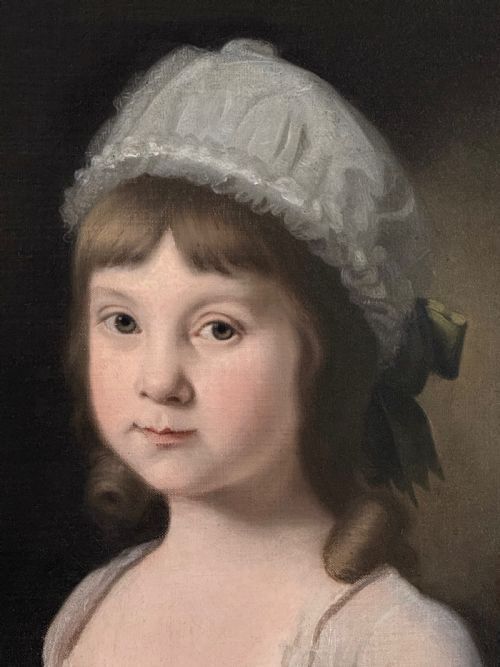
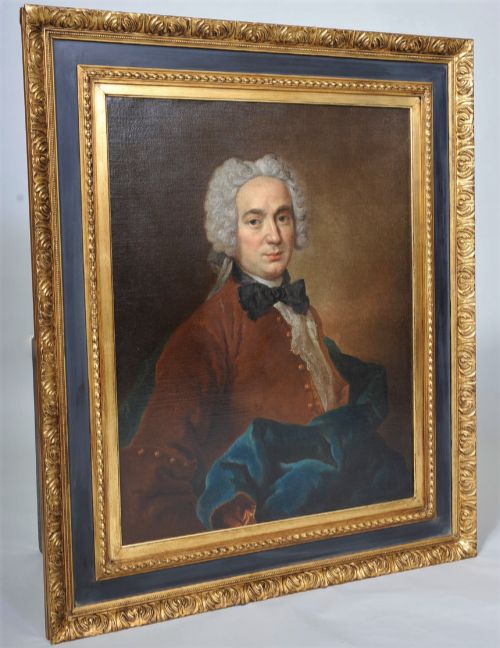
Georgian period framed art encompasses oil paintings, watercolours, pastels, silhouettes, and engravings produced across the eighteenth and early nineteenth centuries. The selections on this page lean heavily towards portraiture, depicting gentlemen, ladies, children, and historical figures in oil on canvas, panel, or paper.
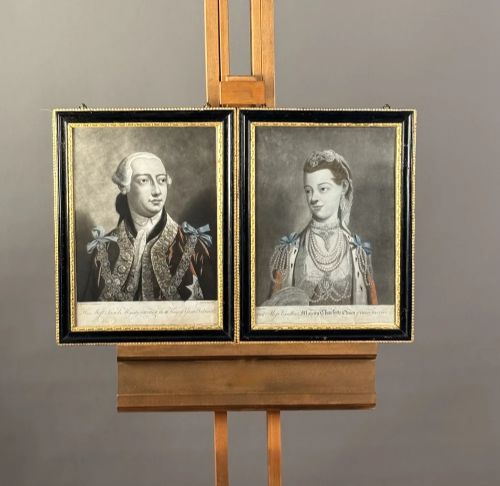
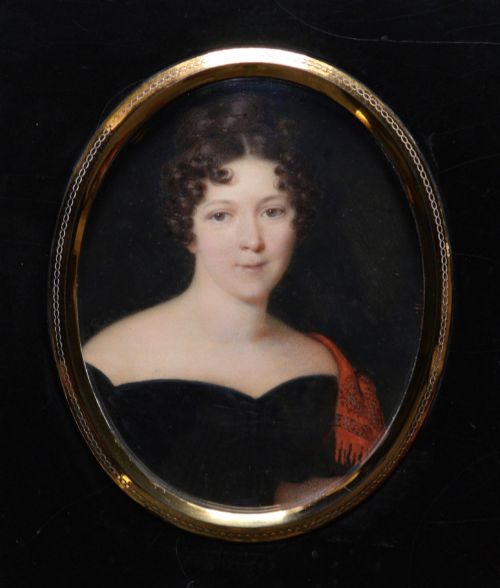
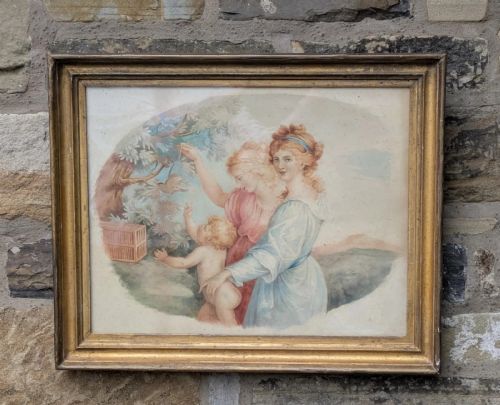
Buyers will encounter works attributed to specific artists alongside pieces from the wider English School or continental circles. Alongside large oil portraits, the inventory includes delicate miniature watercolours, enamel plaques, and hand-coloured engravings housed within period frames.
The aesthetic bridges the restraint of early Georgian composition and the more expressive tendencies of the Regency and Romantic periods. Many surviving pieces retain their historic mountings, offering a direct link to the interior tastes of the era.
How they were made
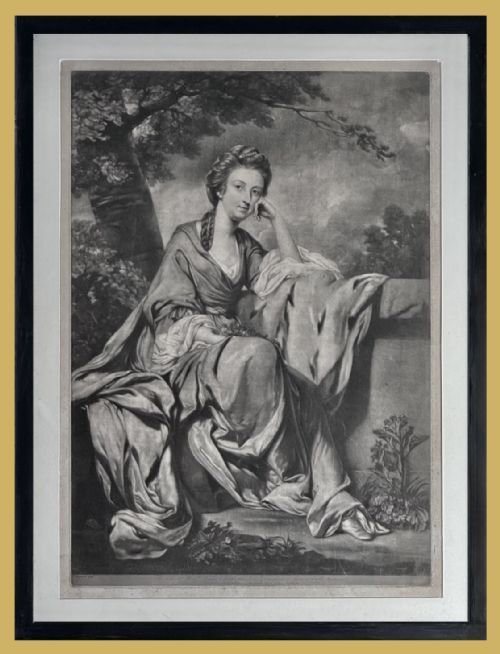
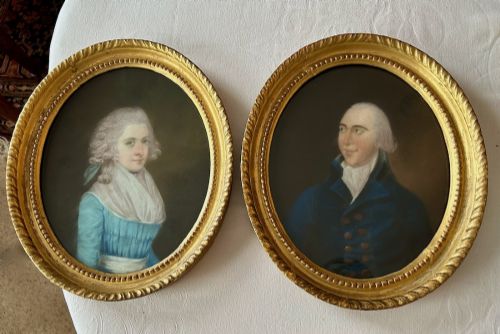
Makers built these works using traditional oil paints on primed canvas or wooden panels, alongside delicate watercolours and pastels applied to heavy rag paper. Mezzotints and engravings utilised copper plates inked by hand and pressed onto paper, frequently receiving subsequent washes of watercolour by hand.
Frames employ timber foundations shaped with carved wooden mouldings or applied composition ornamentation, subsequently finished with layers of gold leaf or dark organic varnishes such as Hogarth styles. Glazing relies on early blown glass panes displaying characteristic surface ripples, bubbles, and minor thickness variations.
Materials recorded across these listings include oil on canvas, gold leaf, glass, watercolour, paper, and carved giltwood.
What varies in quality
The survival of original framing components significantly influences the integrity of an artwork. Pieces retaining contemporaneous giltwood surrounds or period glazing maintain greater historical coherence than those rehoused in modern mouldings.
Joseph Clover RA·Edward Fisher·Sir Joshua Reynolds·John Russell·James McArdell·Jeremiah Meyer·Sir Walter Raleigh·Allan Ramsay·Jeremiah Davison·Henry Pickering·James Maubert·Joseph Highmore·George Romney
The Georgian Period Framed Art Glossary
- Mezzotint
- A printmaking process where the copper plate is roughened uniformly to produce rich dark tones and subtle tonal gradations. This technique allowed printmakers to reproduce oil paintings with remarkable fidelity.
- Giltwood
- Timber carved and coated with gold leaf applied over a fine gesso ground. It provides the reflective, warm radiance characteristic of finer historic frames.
- Pastel
- A medium composed of powdered pigment bound into sticks, applied directly to paper. Works executed in this fragile medium require secure glazing to prevent pigment loss.
- Silhouette
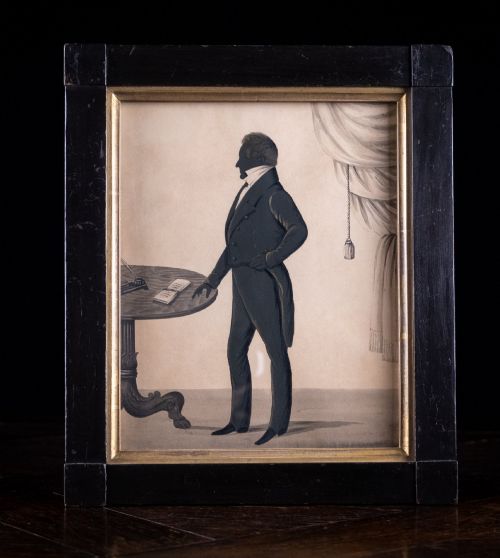
- A profile portrait cut from black paper or painted onto card, glass, or plaster. These stark likenesses gained immense popularity during the late eighteenth and early nineteenth centuries.
- Panel
- A rigid wooden substrate utilised by painters instead of canvas. Oak, mahogany, and deal boards provided stable surfaces for early oil compositions.
Georgian Period Framed Art: Frequently Asked Questions
How do I care for antique works on paper?
Keep framed watercolours, pastels, and engravings away from direct sunlight to prevent fading and paper degradation. Maintain stable indoor humidity levels to protect both the paper fibres and the historic backing boards.
Ensure pieces hang on interior walls where temperature fluctuations remain minimal. Professional framing using acid-free materials safeguards the longevity of delicate works.
Are these frames original to the art?
Many pieces retain their contemporaneous frames, which often show period construction methods such as mitred joints and hand-applied gilding. Examining the rabbet and reverse of the moulding reveals historic joinery.
Subsequent re-framing occurred frequently over the centuries as interior tastes shifted. A matching period frame enhances the historical completeness of the artwork.
What is a silhouette portrait?
Silhouettes are solid profile likenesses, typically rendered in black against a pale background. Artists painted these directly onto glass or cut them from paper during the Georgian era.
Enhanced with fine touches of gold highlights, these miniature profiles recorded personal likenesses before the invention of photography.
How do I distinguish an oil painting from a print?
Examine the surface under magnification to observe the physical build-up of pigment and brush texture unique to oil paintings. Prints display microscopic ink dots or uniform plate marks pressed into the paper.
Canvas and wooden panels present a tactile relief absent in flat engraved or mezzotint reproductions.