


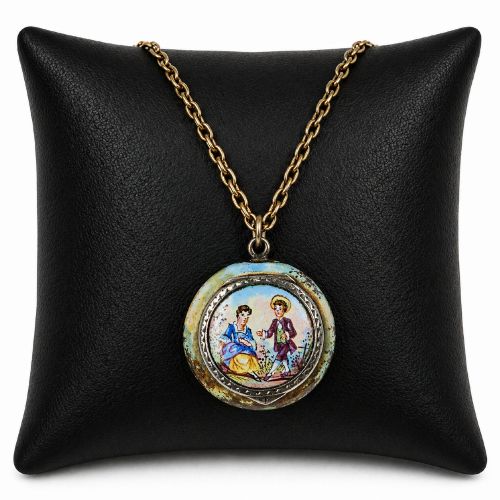


Georgian Pendant Necklace
These pieces known as a georgian pendant necklace combine hand-cut paste, foil-backed stones, and portraits in gold or silver settings.
Georgian Pendant Necklace
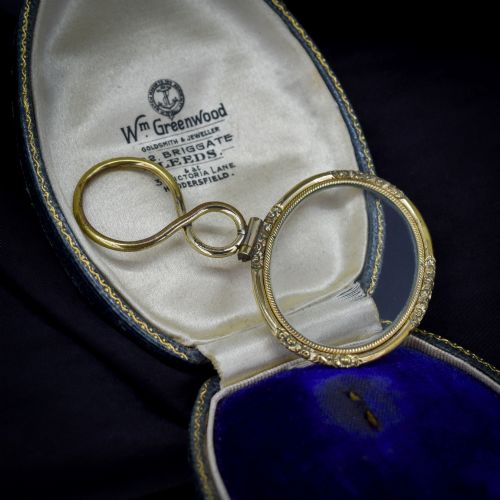
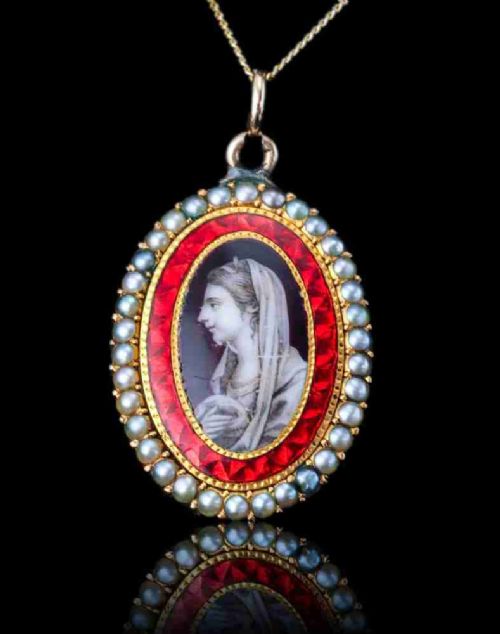
When you search for a georgian pendant necklace, you encounter jewellery spanning from the seventeen hundreds through to the nineteenth century, including cross pendants, lockets, and rivières. The versions most commonly met on this page combine silver or gold settings with hand-cut paste glass, foil-backed stones, pearls, and miniatures.
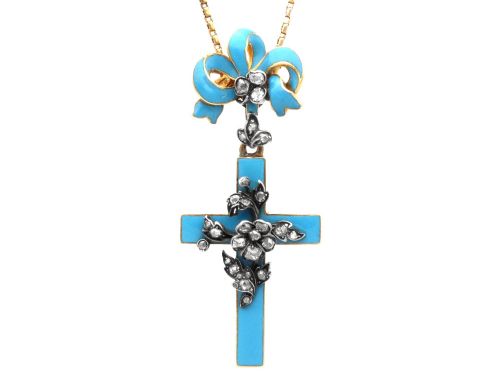
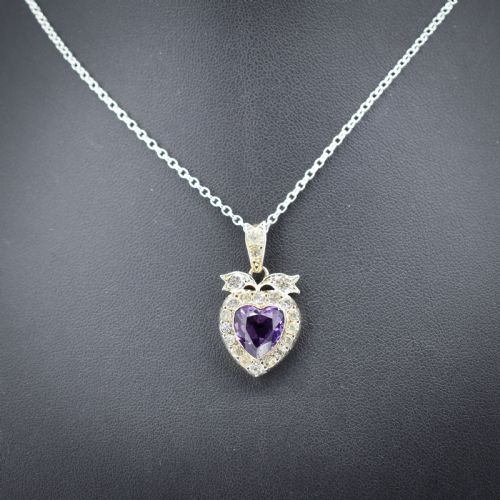
The materials and forms reflect distinct periods such as Georgian, Victorian, and Edwardian eras. Pieces range from simple silver-mounted black dot paste pendants to elaborate gold cross pendants set with diamonds, enamel, and amethyst.
Makers and workshops across these periods utilised precious metals alongside base metals and glass to achieve striking visual depth by candlelight. The survival of these jewels depends upon the robust nature of their original construction and subsequent care.
How they were made
Makers fashioned these necklaces using gold, silver, and nine-carat or fifteen-carat alloys, frequently combining metals to support and showcase gemstones. Stones such as paste glass, diamonds, turquoise, and coral were set into closed-back mounts lined with foil to enhance their brilliance.
Enamelling techniques, including blue and polychrome designs, added colour and detail to lockets and crosses, while hand-painted portraits on ivory or vellum captured likenesses behind glass. Chainwork varied from delicate seed pearl drops to heavy gold links designed to support substantial pendants.
Georgian Pendant Necklace Retail Price Guide 2026
Typical asking prices for georgian pendant necklace among the pieces listed under this phrase on Sellingantiques today, from the lower quarter to the upper quarter. They describe what is for sale here now, not the wider market.
Some paste stones contain a painted black dot at the back to mimic the natural inclusions found in genuine old-cut diamonds.
What varies in quality
The excellence of a piece rests upon the precision of the gemstone cutting and the intact nature of the foil backings that illuminate the stones. Superior examples display crisp chasing on the gold or silver mount and securely closed backs that protect the foils from moisture.
Artistic execution in the hand-painted miniatures and the complexity of enamel work separate standard items from exceptional survivals. The integration between the pendant and its original chain or drop configuration also dictates the overall cohesion of the piece.
The Georgian Pendant Necklace Glossary
- Paste
- Hand-cut lead glass used to imitate gemstones in antique jewellery. It achieves high refraction and deep colour.
- Foil-backed
- A thin layer of coloured metal foil placed behind a gemstone or paste inside a closed setting to enhance its hue and reflection.
- Black dot paste
- A specific style of paste stone featuring a tiny dark pigment spot applied to the culet to simulate the natural culet of a real diamond.
- Rivière
- A necklace composed of a continuous line of gemstones or paste stones of similar size and cut, often featuring a detachable pendant section.
- Fob seal
- A small engraved stone or metal seal formerly used for stamping wax signatures, frequently mounted as a pendant on a chain.
Georgian Pendant Necklace: Frequently Asked Questions
What is a georgian pendant necklace?
A georgian pendant necklace is an antique piece of jewellery featuring hand-cut stones, paste, portraits, or devotional motifs set in silver or gold, originating primarily from the eighteenth and early nineteenth centuries.
These pieces were worn close to the neck, often suspended from ribbons, seed pearl strands, or gold chains, serving both decorative and sentimental functions.
How do I care for my antique pendant?
Antique jewellery requires gentle treatment, avoiding immersion in water or ultrasonic cleaning because moisture can damage the delicate foil backing behind the stones.
Store each piece separately in a dry lined box to prevent scratches on softer materials like paste glass, pearls, and enamel.
Can I wear these necklaces daily?
While these necklaces survived centuries of wear, closed-back settings and foil-backed stones are vulnerable to dampness, sweat, and cosmetics.
Reserving them for occasional wear preserves the integrity of the delicate metalwork and the vulnerable foils inside the settings.