

Georgian Painted Table
A georgian painted table brings colour and character to a room, offering functional surface space with decorative painted finishes.
Georgian Painted Table
When searching for a georgian painted table, you encounter practical surfaces designed for daily domestic use in various domestic settings. These items include side tables, console tables, occasional tables, drum tables, and serving tables that serve multiple functions within a home.
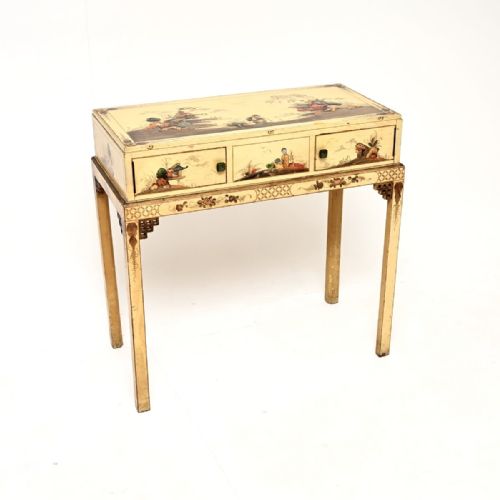
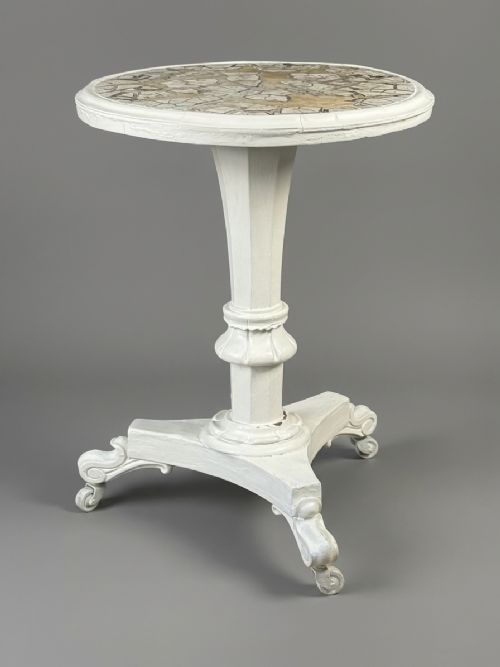
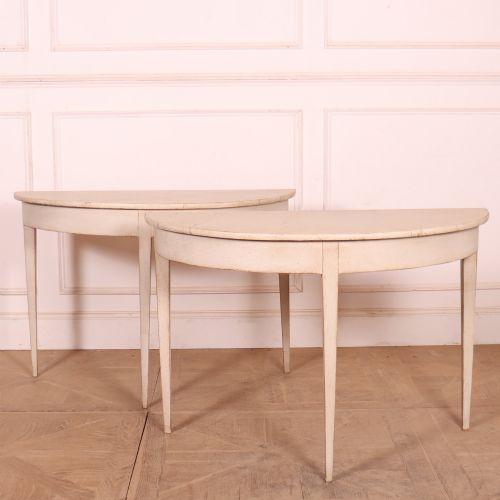
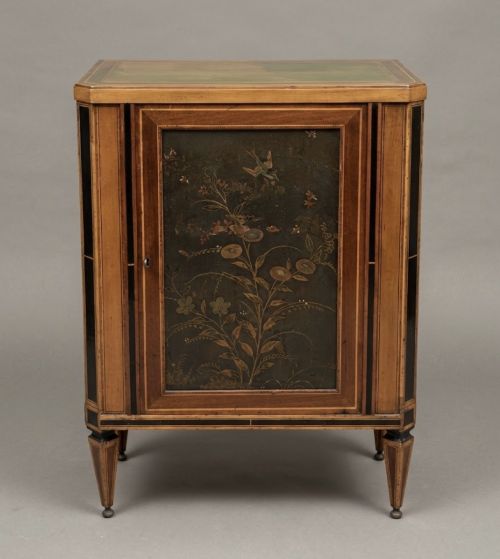
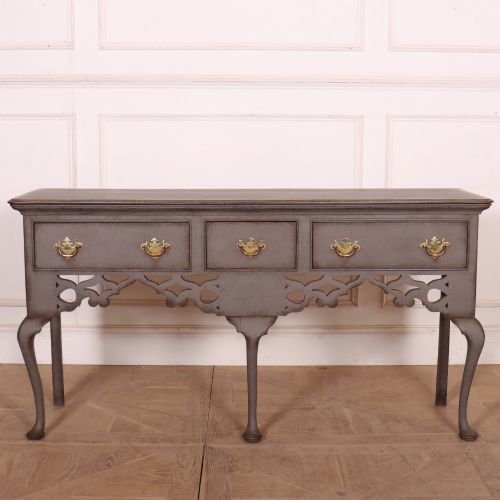
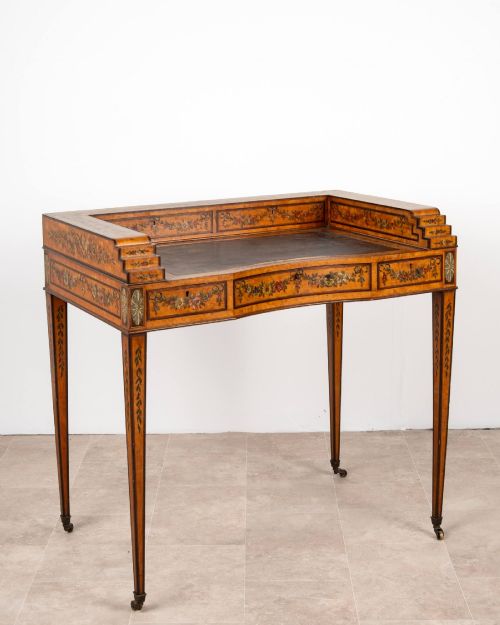
The pieces appearing on this page span the 18th century, the Regency period, and later revivals, displaying forms such as tripod bases, demi-lune shapes, and rectangular tops. Vernacular pieces from country houses sit alongside more formal neoclassical and Chinoiserie interpretations.
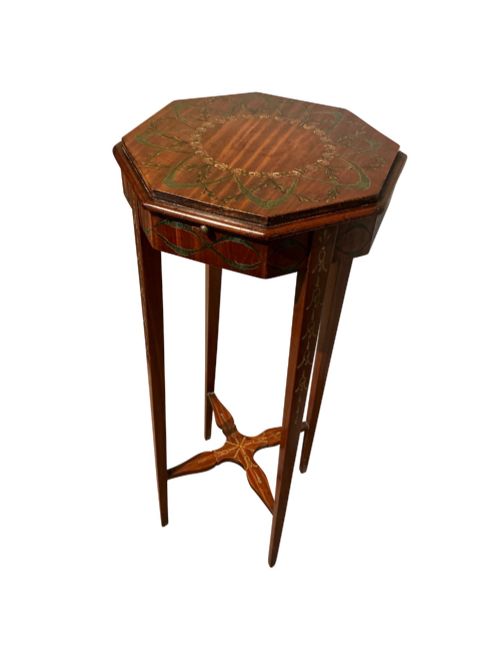
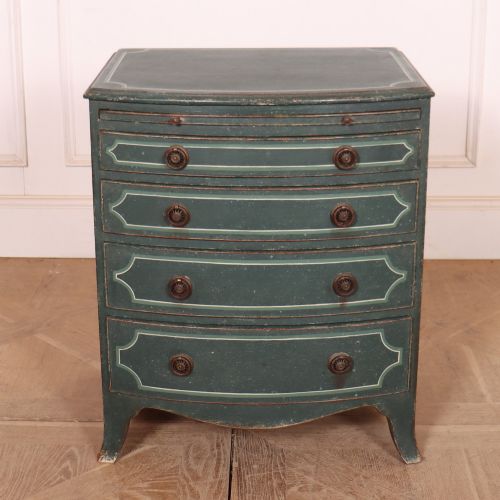
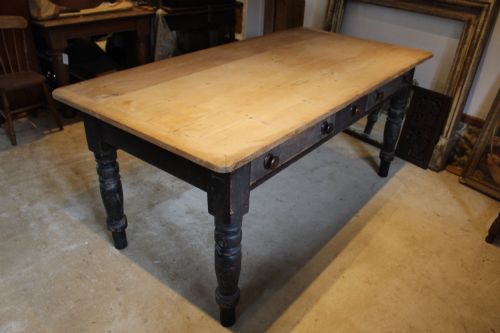
Pine, oak, and mahogany form the structural foundations of these objects, decorated with original or later painted schemes, parcel gilt accents, and polychrome details.
How they were made
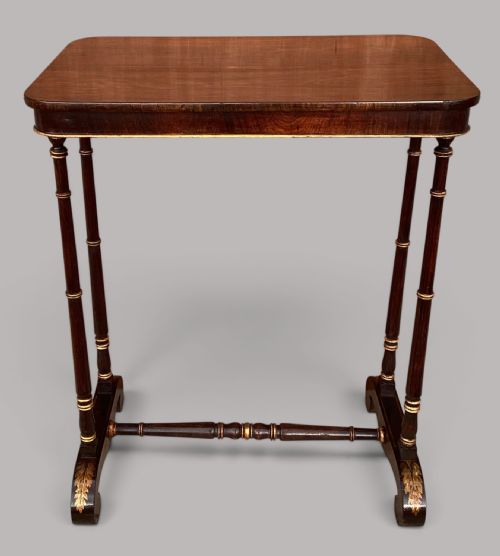
Carpenters constructed these tables using solid timbers such as pine, oak, mahogany, and satinwood, joined with traditional methods suited to each form. Turned tripod columns, bracket feet, and shaped aprons provide structural support for the tops.
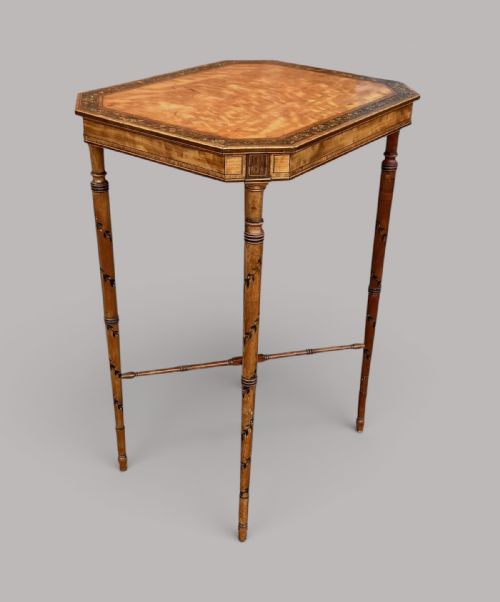
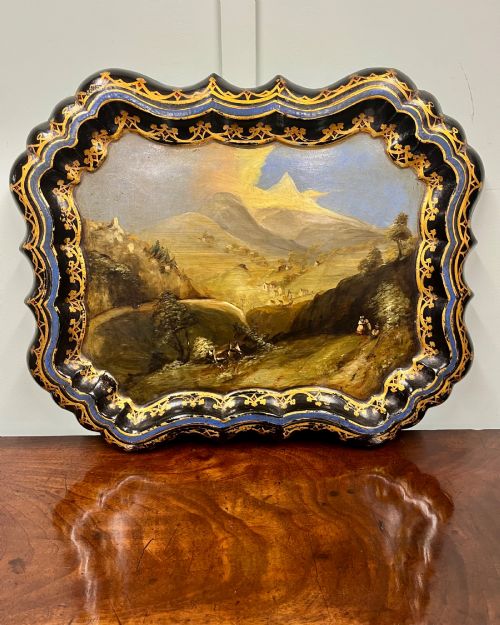
Surfaces received coats of paint, lacquering, or gilding, sometimes incorporating faux bamboo turnings, japanning, or inlaid details. Painters applied pigments directly to wood or pine substrates, occasionally leaving surfaces with naïve or rustic brushwork.
Georgian Painted Table Retail Price Guide 2026
Typical asking prices for georgian painted table among the pieces listed under this phrase on Sellingantiques today, from the lower quarter to the upper quarter. They describe what is for sale here now, not the wider market.
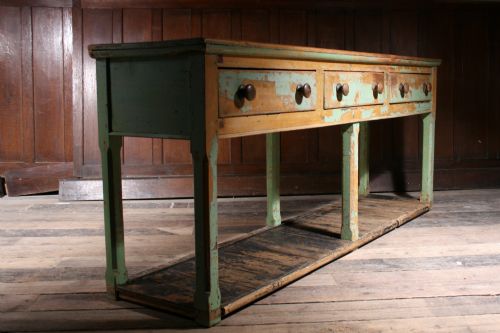
Table forms on this page include side tables, console tables, drum tables, serving tables, and potboard dresser bases.
What varies in quality
The survival of original painted surfaces distinguishes one piece from another, as authentic early pigments and untouched patination hold distinct character compared to later decorative interventions. The integrity of the underlying timber structure and the crispness of any applied gilt or Chinoiserie motifs also influence the visual impact.
Proportion and execution set individual items apart, from simple vernacular country pieces to sophisticated neo-classical console tables with refined proportions and deliberate decorative schemes.
The Georgian Painted Table Glossary
- Demi-lune
- A half-moon shape used for console and serving tables designed to sit flush against a wall.
- Tripod table
- A small freestanding table supported by a central pillar on three legs, often with a tilt top mechanism.
- Potboard dresser base
- A low sideboard or storage unit featuring a lower shelf, known as a potboard, positioned near the floor.
- Chinoiserie
- European interpretations of Chinese artistic styles, typically executed in lacquered finishes with painted figures and landscapes.
- Parcel gilt
- A technique where selected carved or raised details receive a partial application of gold leaf over a painted base.
Georgian Painted Table: Frequently Asked Questions
Where should I put a painted table?
These tables fit well in hallways, living rooms, and bedrooms where surface space is needed without heavy wood tones. A demi-lune or console shape sits neatly against a wall in a narrow entrance.
Smaller tripod or side tables work beside seating areas to hold lamps or books, introducing colour and texture to a corner.
How do I clean a painted surface?
Dust surfaces regularly with a soft, dry cloth to prevent dirt build-up on fragile paint layers. Avoid harsh chemical cleaners and excessive moisture, which can damage historic finishes.
Consult a professional restorer if the paint shows signs of flaking or instability.
Are these tables sturdy enough for daily use?
Most pieces were built for practical household tasks such as serving food or holding lamps and remain functional today. Tripod and side tables handle normal daily placement of objects when handled with standard care.
Heavier serving tables and dresser bases provide substantial support for storage and display.
What is the difference between original and later paint?
Original paint dates to the period of manufacture, showing natural wear and age-related patination that reflects its history. Later painted decoration was applied during subsequent decades, often updating older mahogany or pine pieces to suit changing interior tastes.