





Georgian Oval Cabinet
A georgian oval cabinet brings classic timber work into a room, offering practical storage through time-tested craftsmanship.
Georgian Oval Cabinet
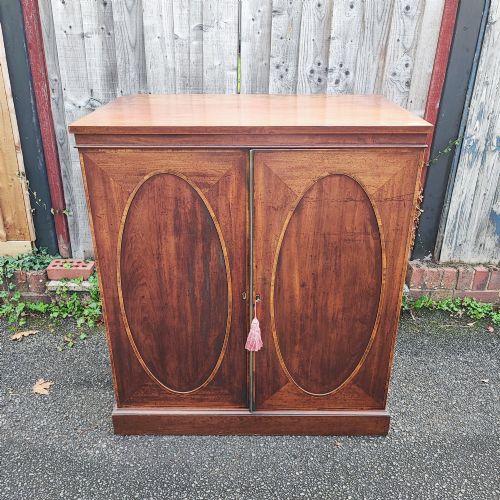
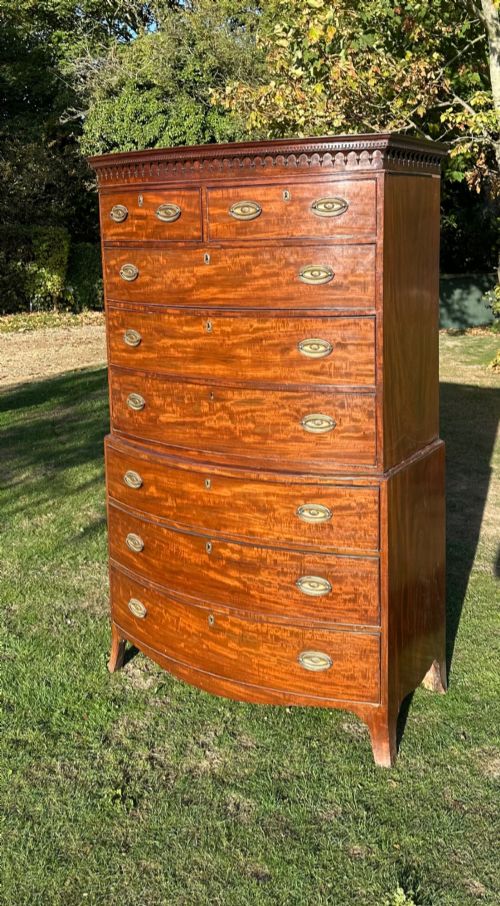
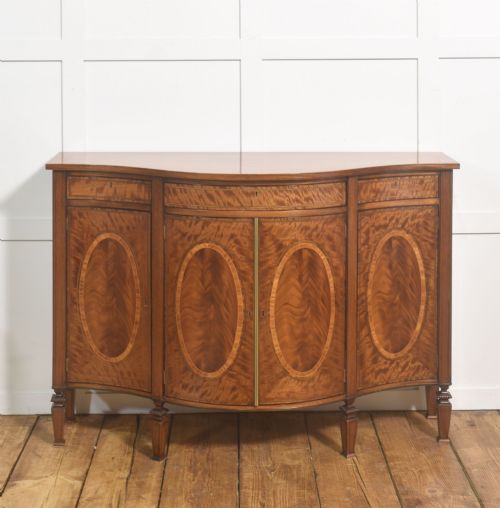
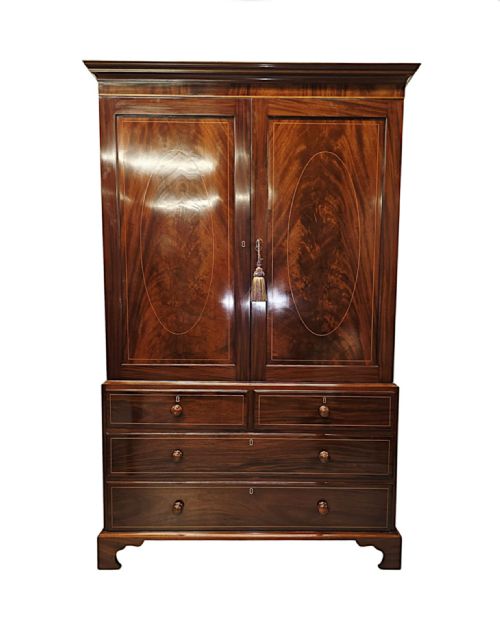
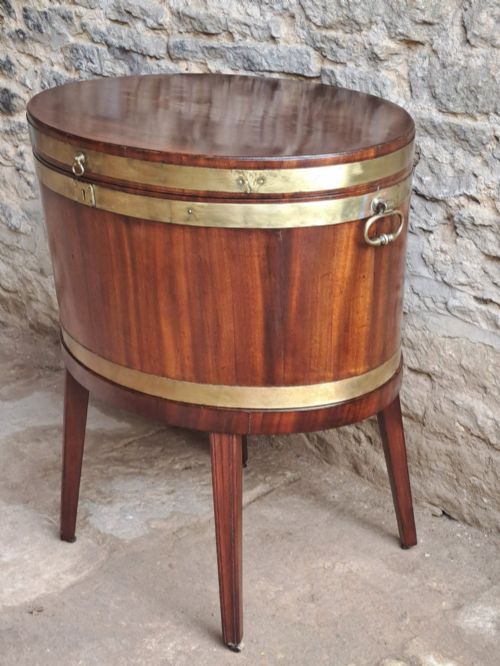
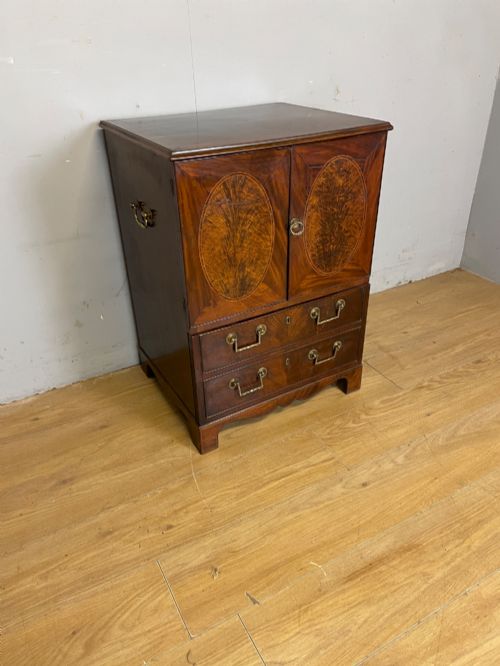
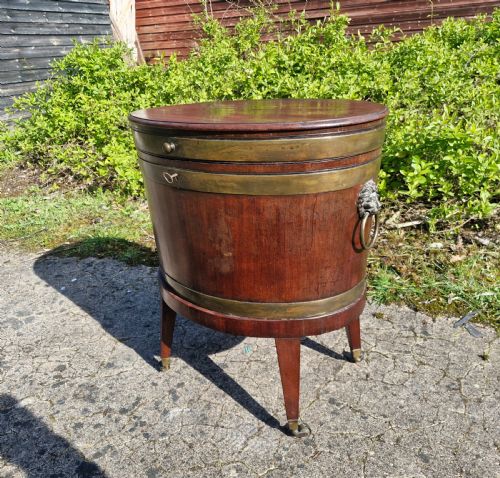
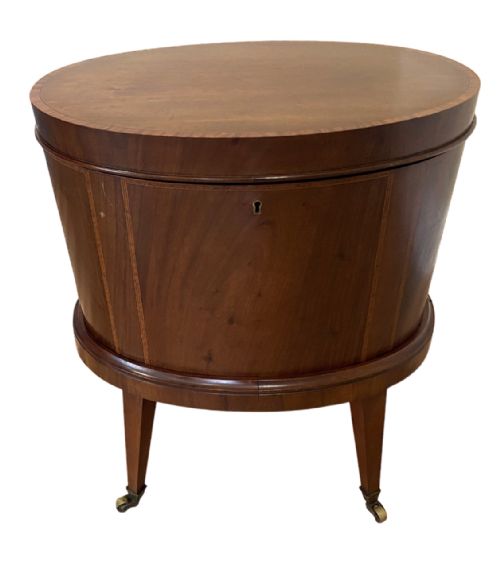
When you search for a georgian oval cabinet, you enter a field populated mainly by cellarettes, side cabinets, and larger linen presses built from the eighteenth century onward. The listings here span genuine Georgian origins alongside later revivals from the nineteenth and early twentieth centuries, capturing shifts in domestic storage over generations.
Materials and construction methods
Makers relied heavily on solid mahogany and flame mahogany veneer, often accentuating the timber with boxwood and satinwood inlay to create crisp contrasting borders. These woods provided both structural stability and rich visual depth across surfaces.
Joinery techniques ranged from standard carcase construction to specialised framing for linen presses and cellarettes. Cabinetmakers integrated fine banded edgings and precise geometrical proportions to define the aesthetic of each piece.
Georgian Oval Cabinet Retail Price Guide 2026
Typical asking prices for georgian oval cabinet among the pieces listed under this phrase on Sellingantiques today, from the lower quarter to the upper quarter. They describe what is for sale here now, not the wider market.
Cellarettes sometimes retain their original lead linings, quietly revealing where ice sat beside the claret two centuries ago.
Judging quality and execution
The caliber of a piece rests on the selection of the timber grain and the precision of the inlaid details, where sharp contrast and careful alignment signal superior workshop standards. Finer examples display harmonious proportions, particularly in smaller items like spice cabinets and wine coolers.
Construction integrity distinguishes standard utilitarian storage from masterwork furniture, visible in the handling of internal drawer boxes and secondary timbers. Pieces retaining their original surface patination and unblemished veneer demonstrate careful preservation over centuries.
The Georgian Oval Cabinet Glossary
- Flame mahogany
- A veneer cut from the fork of the mahogany tree to create a dramatic, undulating flame-like grain pattern. This figure was prized for drawer fronts and cabinet doors.
- Cellarette
- A specialised storage container designed to hold bottles of wine, often fitted with internal partitions or lead linings. They appear frequently in mahogany during the Georgian period.
- Linen press
- A tall storage piece combining upper cupboard space for folded textiles with lower drawer storage. These often feature panelled doors and substantial cornices.
- Bow-front
- A curved convex cabinet front that projects outward in an arc. This shaping required advanced carpentry to fit drawers and doors to the radius.
Georgian Oval Cabinet: Frequently Asked Questions
What is a cellarette used for?
A cellarette serves as a dedicated container for storing wine bottles safely within a dining room or parlour. Interior dividers kept bottles separated and upright during daily use.
Many examples include lead-lined compartments intended to hold melting ice for chilling wine. They range from small floor-standing units to table models.
How do I identify a genuine Georgian piece?
Authentication relies on examining secondary timbers, construction methods, and hardware fixings used within the drawers and carcase. Period pieces display hand-cut dovetails and timber seasoning consistent with eighteenth-century workshops.
Design styles, such as Sheraton or George III proportions, offer further clues when matched against documented cabinetmaking practices. Revivals from later centuries often reveal machine tooling or different secondary woods upon closer inspection.
Where should I place a side cabinet?
Side cabinets suit dining rooms, hallways, or living spaces where they provide accessible surface area and enclosed storage. Their shallow depth allows them to sit comfortably against walls without obstructing walkways.
Placing timber furniture away from direct heat sources and strong sunlight protects the mahogany veneers and polished finishes from fading or splitting.
What is the difference between a linen press and a wardrobe?
A linen press traditionally combines upper sliding shelves or trays designed for flat textiles with a chest of drawers forming the base. Wardrobes are built primarily for hanging garments vertically on rails.
Many period linen presses have undergone interior conversion to function as standard wardrobes by removing the original sliding trays. External proportions remain similar, featuring tall panelled doors and heavy cornices.