


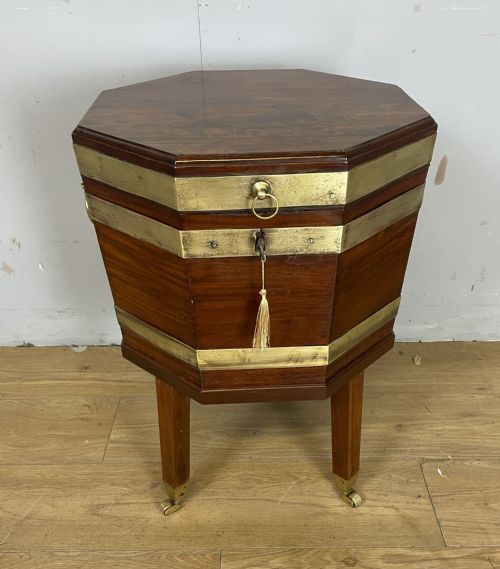
Georgian Octagonal Box
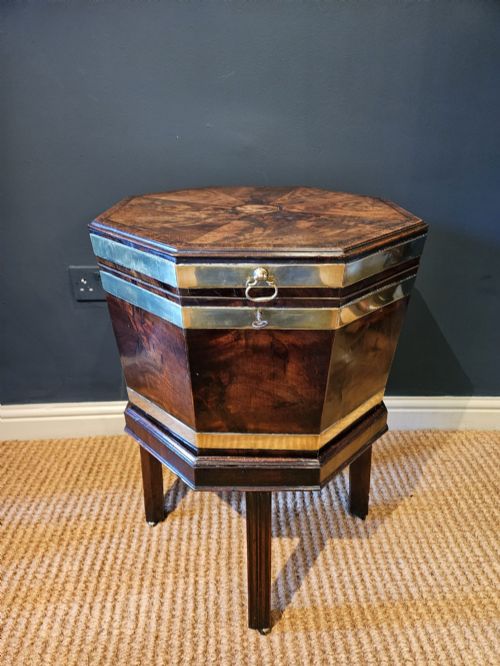
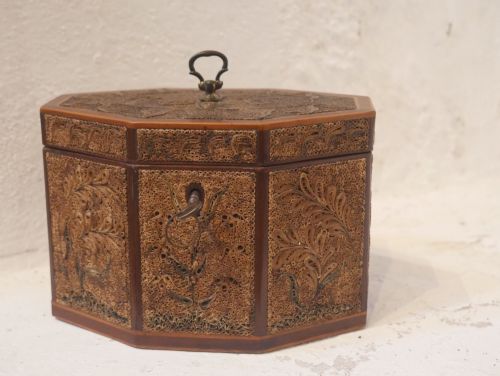
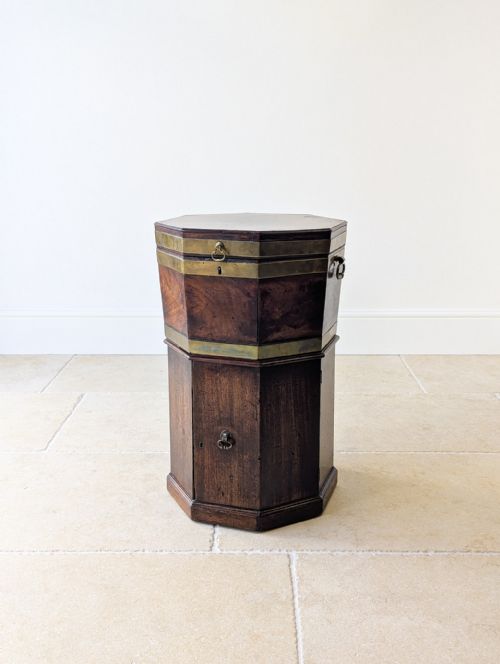
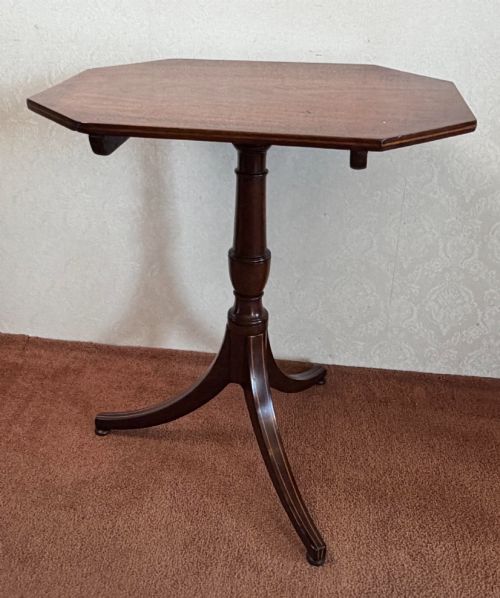
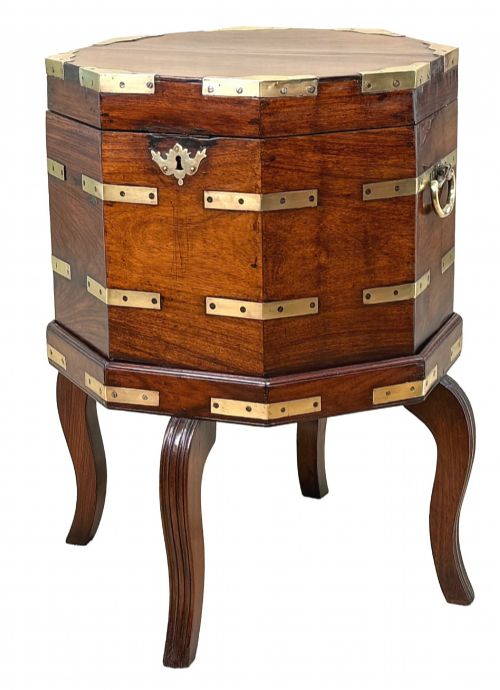
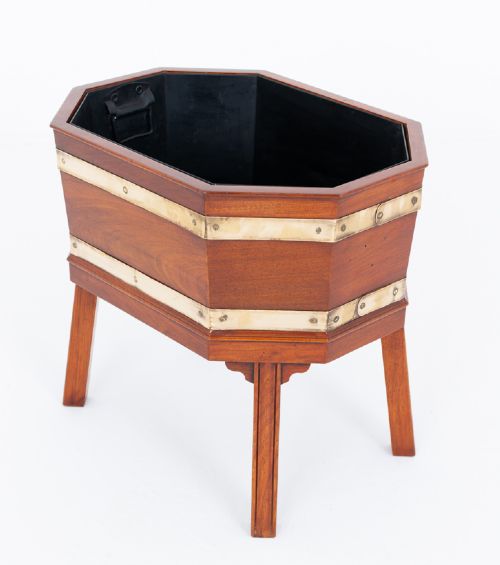
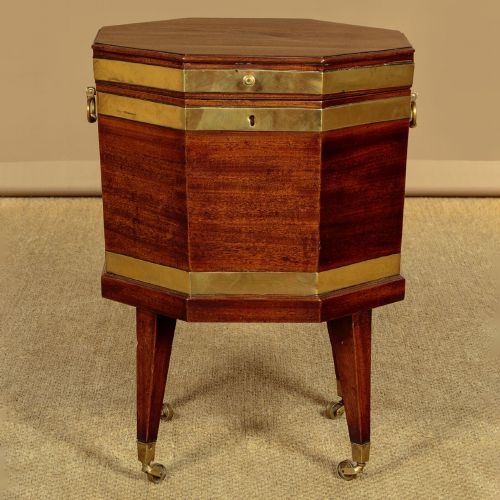
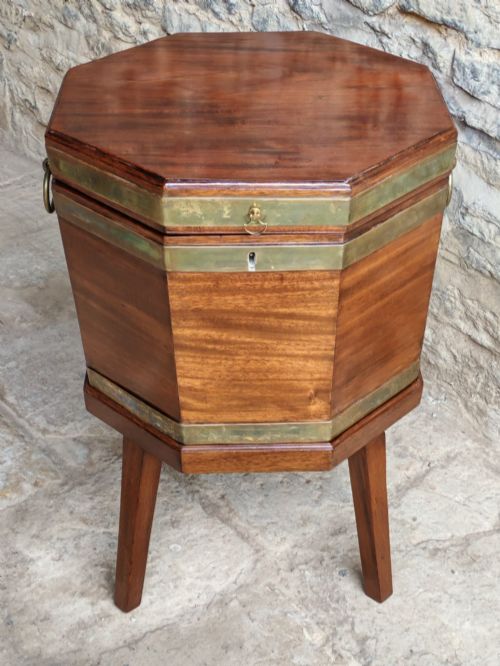
A georgian octagonal box brings structural geometry and warm timber tones into a room, taking the form of tea caddies, cellarettes, and work tables.
Georgian Octagonal Box
A georgian octagonal box most frequently appears on this page as a tea caddy, cellarette, or wine cooler dating from the eighteenth century into the Regency period. These vessels were designed to store precious commodities like tea leaves or to chill bottles at the dining table, utilising eight-sided symmetry to catch the light.
Makers of the period also applied the octagonal form to smaller personal items such as work boxes, snuff boxes, and occasional tables. Mahogany forms the backbone of these selections, often enriched by contrasting veneers and brass bindings that accentuate the angular geometry.
How they were made
Cabinet makers constructed these boxes using solid timbers and complex framing techniques to maintain stability across eight distinct sides. Mahogany dominates the surviving pieces, supported by exotic woods such as satinwood, padouk, harewood, and partridge wood for decorative impact.
Surface enrichment relied on precision wood inlay, bone details, and paper filigree, alongside structural brass banding fixed with small pins. These materials were laboriously hand-planed, fitted, and polished to produce durable containers intended for daily domestic service.
What varies in quality
Quality rests upon the crispness of the eight-sided geometry and the precision with which the timber grain is selected and matched across the angles. Superior examples display thoughtful banding, fine inlay work, and robust original brass fittings that integrate seamlessly with the carcase.
Execution of internal compartments and the survival of original lining materials further separate standard boxes from exceptional commissions. Maker intent shows in the structural integrity of the joints and the uncompromised depth of the timber patination.
The Georgian Octagonal Box Glossary
- Cellarette
- A large freestanding or floor-standing box used for cooling wine bottles or storing spirits. These often feature heavy brass bands and sturdy carrying handles.
- Teapoy
- A small table designed specifically to support a tea caddy, frequently fitted with a pillar and claw foot or standing on a dedicated frame.
- Inlay
- A decorative technique where contrasting pieces of wood, bone, or shell are inserted into recesses cut into the primary timber surface.
- Partridge wood
- An exotic timber prized for its distinctive speckled grain pattern resembling partridge feathers, utilised on high-status eighteenth-century tea caddies.
- Padouk
- A dense tropical hardwood known for its rich reddish-brown colour, employed in colonial and domestic cabinet making.
Georgian Octagonal Box: Frequently Asked Questions
What was a georgian octagonal box used for?
These vessels served practical domestic roles, primarily holding dry tea leaves under lock and key or chilling wine bottles during formal meals. Smaller variants accommodated sewing implements, tobacco, or snuff.
Over time, they transitioned from utilitarian storage to decorative display pieces on side tables and sideboard surfaces.
How do I care for antique timber boxes?
Keep wooden boxes away from direct heat sources and strong sunlight to prevent the timber from drying out and the veneers from lifting. Regular dusting with a dry, soft cloth maintains the natural surface.
Apply occasional traditional wax polish sparingly to nourish the wood and preserve the historical patination developed over centuries.
How do I distinguish George III from Regency pieces?
George III pieces generally exhibit restrained classical proportions, straight lines, and understated string inlay or brass banding. They favour dark cuban mahogany and architectural symmetry.
Regency examples often introduce bolder architectural styling, pedestal bases, exotic light-coloured veneers, and more pronounced brass mounts reflecting classical revival influences.
Are interior fittings usually original?
Interior compartments, mixing bowls, and canisters frequently underwent alteration or removal because tea caddies were heavily used over generations. Finding complete internal foil linings or original wooden lids elevates the historical integrity.
Replacement liners remain common and do not diminish the decorative appeal of the outer cabinet work.