


Georgian Oak Side Cabinet
A georgian oak side cabinet provides sturdy storage with honest grain, turning utilitarian timber into a handsome anchor for a room.
Georgian Oak Side Cabinet
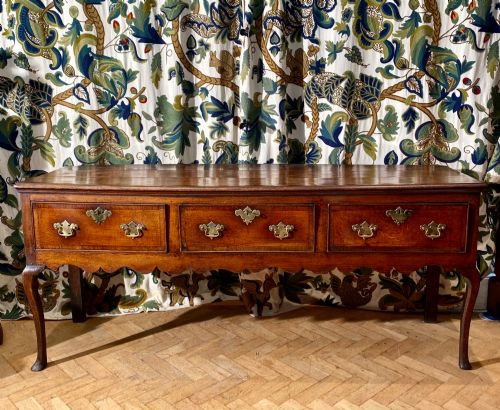
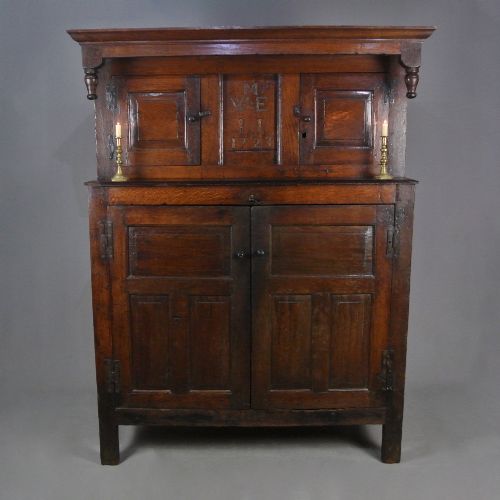
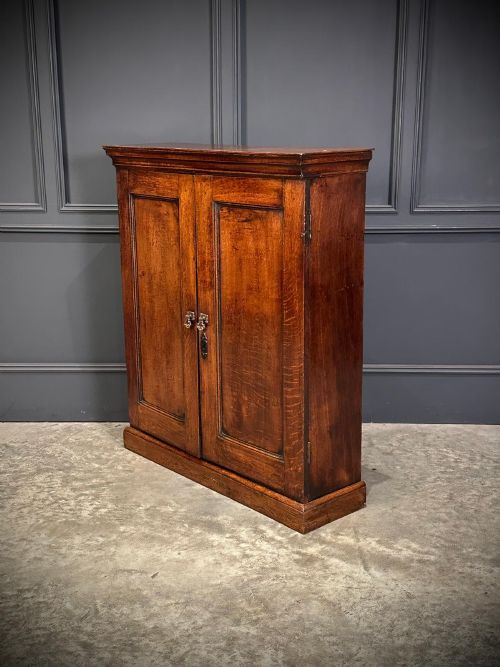
When you search for a georgian oak side cabinet, you encounter sturdy timber storage forms spanning the eighteenth and nineteenth centuries. These pieces encompass low dressers, cupboards, and side cabinets shaped by regional British and continental traditions.
The versions most commonly met on this page include Georgian oak side cabinets alongside related lowboys, dressers, and court cupboards. They demonstrate the practical domestic storage needs of their eras through panelled doors and fitted drawers.
Materials and construction
Construction relies primarily on solid oak, frequently paired with secondary woods like walnut, chestnut, or mahogany for banding and detail. Iron and brass hardware, including period handles and hinges, secure the structural elements.
Joinery methods utilise traditional panelled and framed techniques, often featuring geometric panelling, feather banding, or carved ornamentation. Cabinetmakers selected timber for durability and grain figure, ensuring long service.
Bread safes kept the loaves away from mice while letting the crust breathe through tiny turned spindles.
Quality and execution
Quality separates pieces through the selection of timber and the precision of the joinery, distinguishing finely figured pollard oak or walnut banding from plain utilitarian boards. Finer examples retain original brasses and crisp geometric mouldings.
Proportion and regional character define the upper tier, where vernacular craftsmanship meets sophisticated eighteenth-century design. Lesser pieces show heavier alterations, replaced timber, or coarse vernacular repairs over centuries of use.
The Georgian Oak Side Cabinet Glossary
- Lowboy
- A small table with drawers, often used as a dressing table or side table in the eighteenth century. They typically stand on slender legs and feature multiple small drawers beneath the surface.
- Deuddarn
- A traditional Welsh two-tier oak cupboard used for storing food and household goods. These vernacular pieces showcase regional woodworking traditions from the eighteenth century.
- Feather banding
- A decorative inlay technique using veneer strips arranged in a herringbone pattern to frame drawer fronts or panels. This detail adds subtle contrast to walnut or oak surfaces.
- Panetiere
- A freestanding bread safe ventilated with turned spindles, originating in French provincial traditions. They protected baked goods from pests while allowing air circulation.
- Court cupboard
- An early form of enclosed storage featuring stacked cupboards, frequently dated to the early eighteenth century. These heavy oak pieces often display carved panels and substantial proportions.
Georgian Oak Side Cabinet: Frequently Asked Questions
What is a georgian oak side cabinet?
A georgian oak side cabinet is a utilitarian or formal storage piece constructed from solid oak during the eighteenth or early nineteenth century. These items served various domestic functions, from holding household linen to storing provisions.
They appear in diverse regional styles, ranging from plain country furniture to more refined urban case pieces with crossbanded details.
How do I date a georgian oak side cabinet?
Dating relies on examining construction methods, timber selection, and hardware types used across the piece. Early eighteenth-century examples often feature heavy geometric panelling and joined frames.
Later pieces from the Regency period incorporate different moulding profiles and varied secondary timbers like mahogany alongside the primary oak.
Where were these cabinets used?
These cabinets found placement throughout the home, including dining rooms, hallways, and bedchambers, depending on their specific form. Lowboys and bedside cabinets served intimate or functional roles close to living spaces.
Larger dresser bases and cupboards anchored kitchens and parlours, providing accessible storage for heavy household goods and tableware.
Are these cabinets made entirely of oak?
While oak serves as the primary timber, cabinetmakers frequently incorporated secondary woods for drawer linings, backboards, and decorative banding. Walnut, chestnut, and mahogany appear alongside the main oak structure.
Hardware components utilise forged iron and brass for hinges, locks, and handles, reflecting the manufacturing standards of the period.