

Georgian Oak Brackets
Georgian oak brackets unite utility and sturdy domestic carpentry, offering practical architectural support with period character.
Georgian Oak Brackets
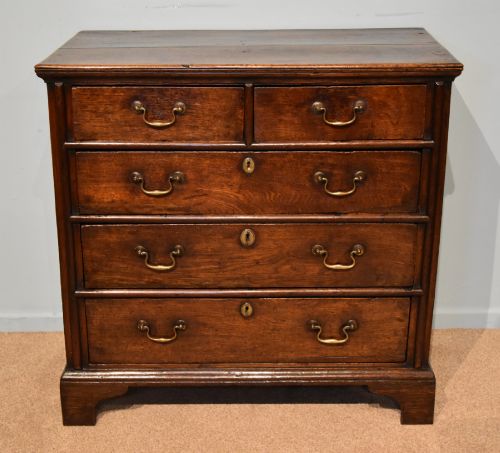
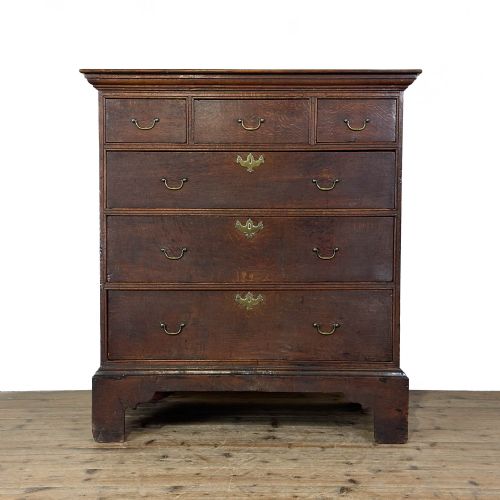
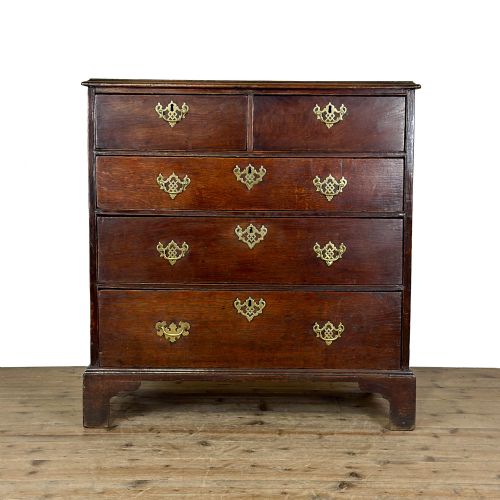
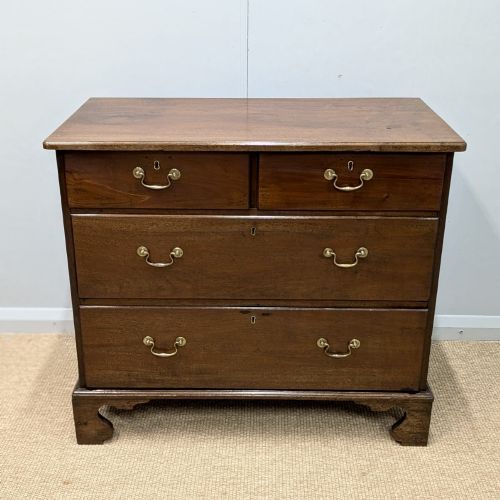
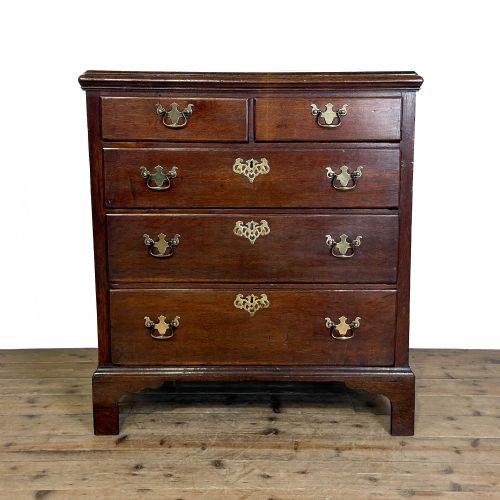
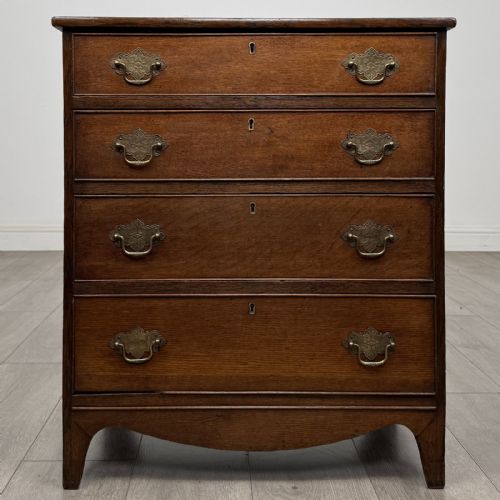
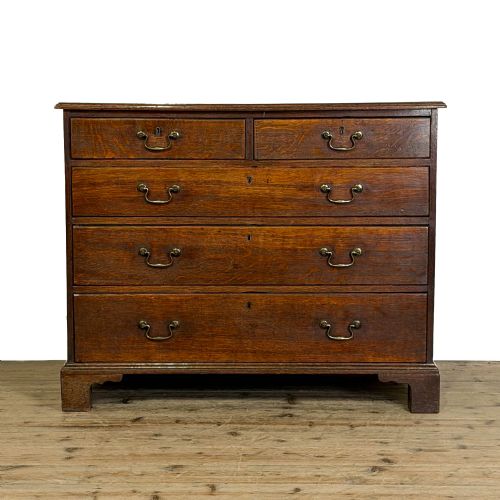
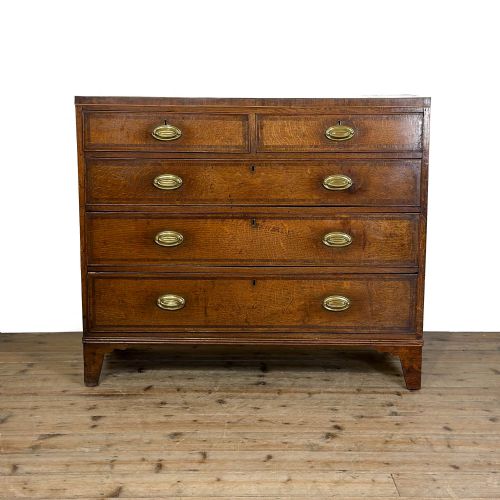
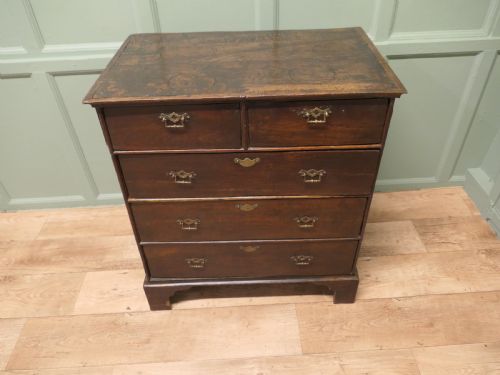
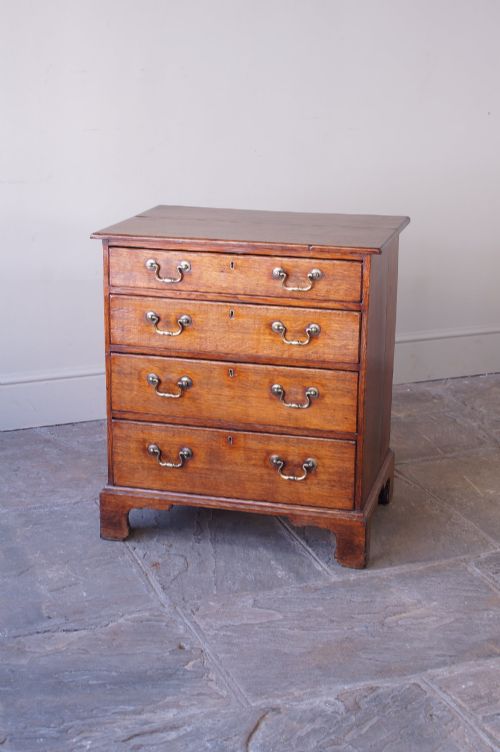
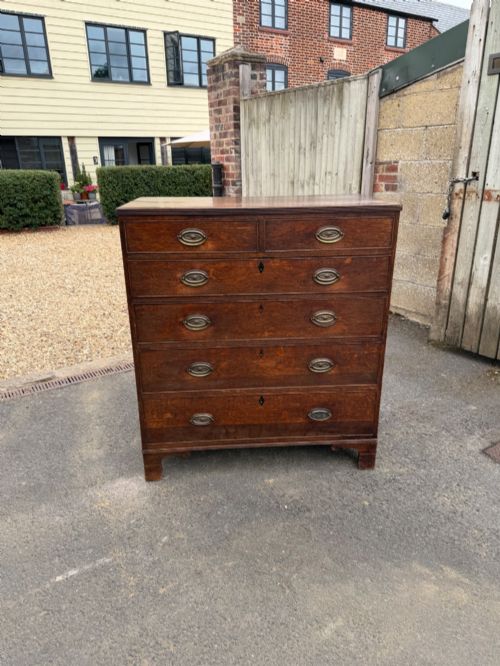
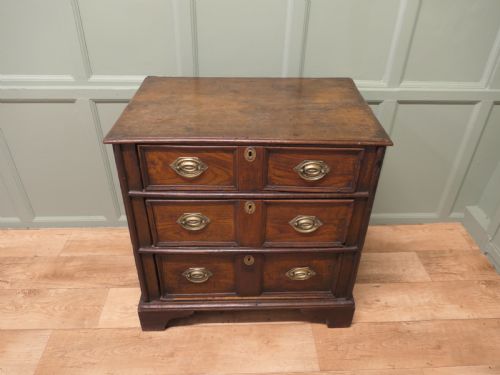
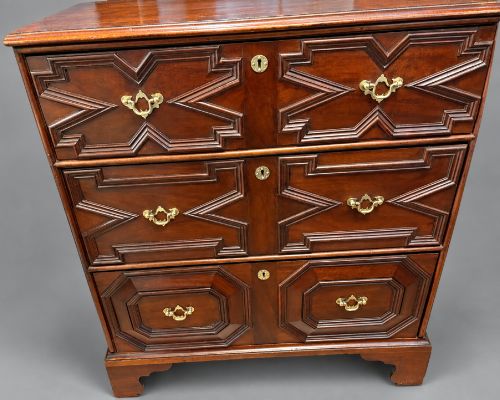
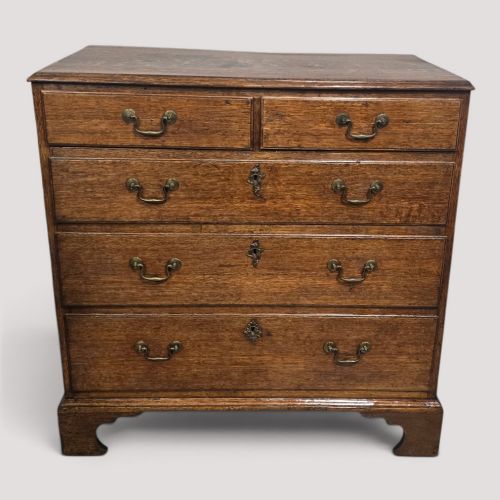
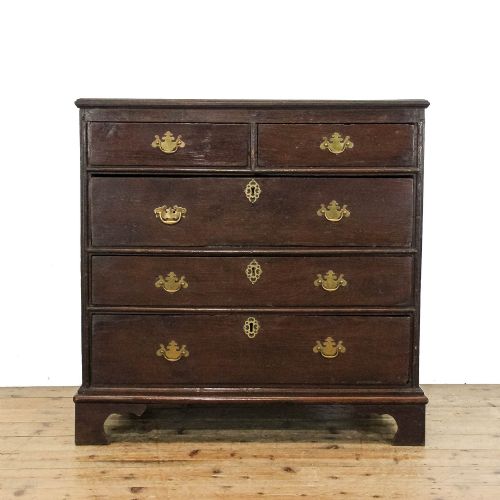
Georgian oak brackets and architectural supports emerge in domestic settings from the eighteenth century onwards, combining structural resilience with decorative presence. These timber fixtures served to prop up shelves, cornices, and heavy wall elements within domestic interiors. While the search phrase specifies brackets, the available material also encompasses robust chests of drawers and architectural salvage sharing the same period timber.
Buyers encounter examples spanning the early eighteenth century through to later revivals, displaying the dense grain characteristic of vernacular and formal Georgian joinery. The surviving pieces demonstrate the practical load-bearing requirements of period homes, utilising heavy heartwood to ensure longevity. Forms range from simple functional timber supports to carved structural corbels.
How they were made
Makers utilised solid oak, often selected for its exceptional density and pronounced medullary rays, shaping the timber using hand saws and chisels. Secondary woods and complementary elements occasionally incorporate walnut, elm, or mahogany, though oak remains the predominant structural medium.
Construction relied upon traditional jointing methods, including mortise and tenon joints, hand-cut dovetails, and pegged assemblies that accommodated the natural movement of timber over centuries. Surfaces were finished with wax or simple oils, highlighting the natural figure of the grain without heavy modern varnishes.
Georgian Oak Brackets Retail Price Guide 2026
Typical asking prices for georgian oak brackets among the pieces listed under this phrase on Sellingantiques today, from the lower quarter to the upper quarter. They describe what is for sale here now, not the wider market.
Some chests hide secret compartments for contraband.
What varies in quality
Quality rests upon the crispness of hand-carved details, the selection of well-figured heartwood, and the integrity of the original joints. Superior examples exhibit deliberate proportions and clean execution where structural strain is met with thoughtful reinforcement.
The survival of original surfaces and uncompromised timber sections distinguishes finer survivals from pieces altered or heavily restored during later centuries. The skill of the original carpenter dictates the harmony between functional strength and decorative outline.
The Georgian Oak Brackets Glossary
- Bracket foot
- A structural foot supporting case furniture, shaped from a single block of timber and mitred at the corner. It echoes the architectural form of a wall bracket.
- Corbel
- A projecting bracket carved from solid timber or stone to support a heavy weight above. These architectural elements often display vigorous eighteenth-century hand carving.
- Crossbanding
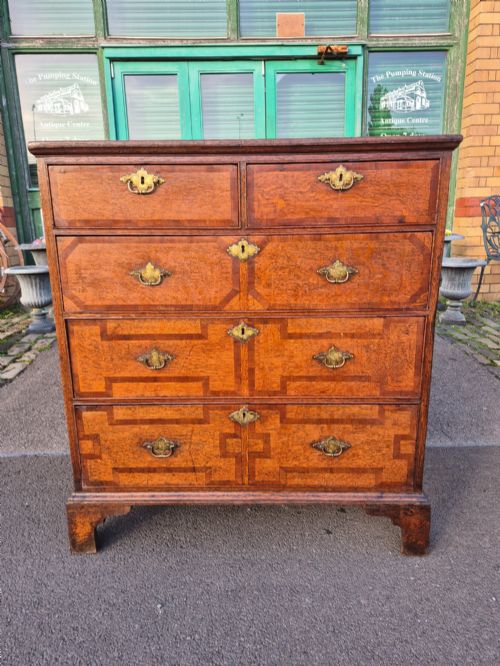
- A decorative border technique where thin strips of veneer are laid with the grain running perpendicular to the main surface. It frequently frames drawer fronts or top edges on finer pieces.
- Heartwood
- The dense inner core of a tree trunk, prized by period carpenters for its durability and resistance to decay. It provides the primary material for load-bearing brackets and chests.
Georgian Oak Brackets: Frequently Asked Questions
How do I identify eighteenth-century oak?
Eighteenth-century oak displays distinct medullary rays, visible as silver flecks or ribbon-like patterns across the grain. The timber feels heavy and exhibits the subtle tool marks left by hand saws and adzes.
Examining the underside and hidden surfaces reveals the dark, dry patina accumulated over centuries of exposure to domestic environments.
Are these brackets purely decorative?
Original period brackets were engineered primarily to bear physical weight, such as heavy timber lintels, shelves, or upper wall structures. Their decorative carving remained secondary to their structural function in domestic architecture.
Carved corbels and simpler supports both relied on robust timber framing to ensure stability under heavy loads.
How should I clean antique oak?
Maintenance requires only a soft, dry cloth to remove dust from carved recesses and flat surfaces. Avoid modern silicone polishes and harsh chemical cleaners that strip the historic wax finish.
Applying a traditional beeswax occasionally helps nourish the dry timber and maintains the gentle sheen developed over generations.