





Georgian Oak and Walnut
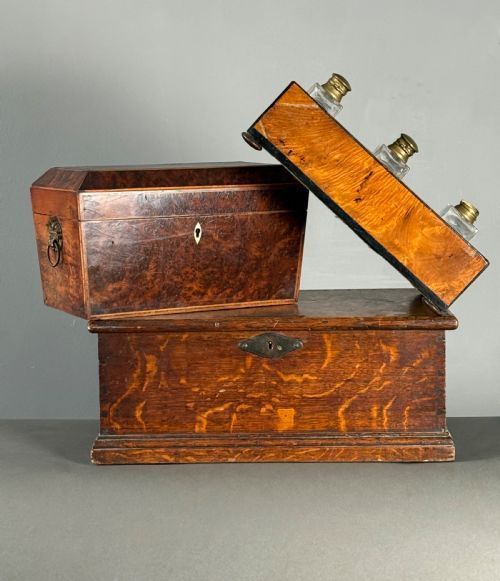
Georgian oak and walnut pieces bring together sturdy native timber and rich figured veneers.
Georgian Oak and Walnut
When you search for georgian oak and walnut, you are looking at items built primarily from oak carcases with decorative walnut surfaces, spanning periods from the late seventeenth century through to the nineteenth century.
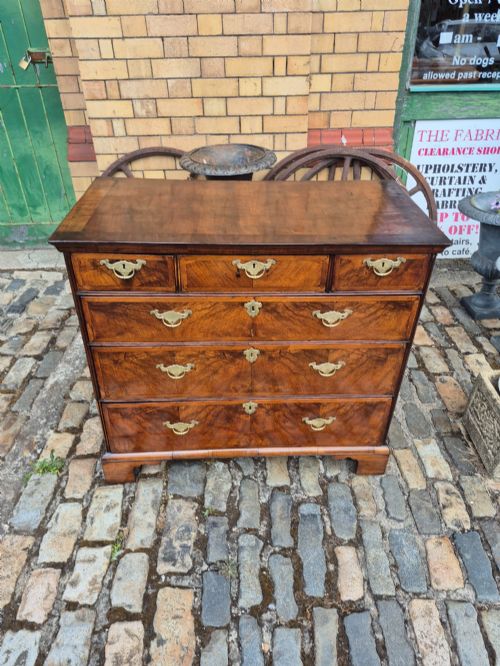
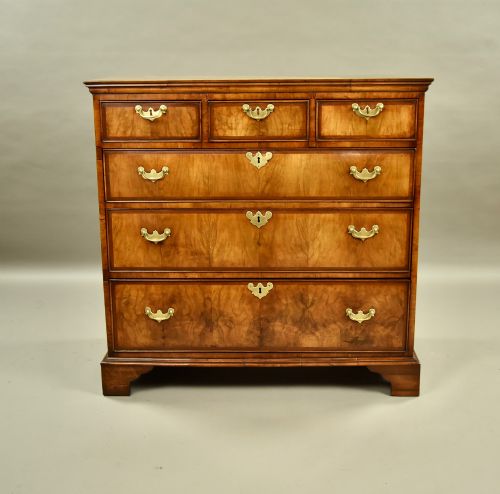
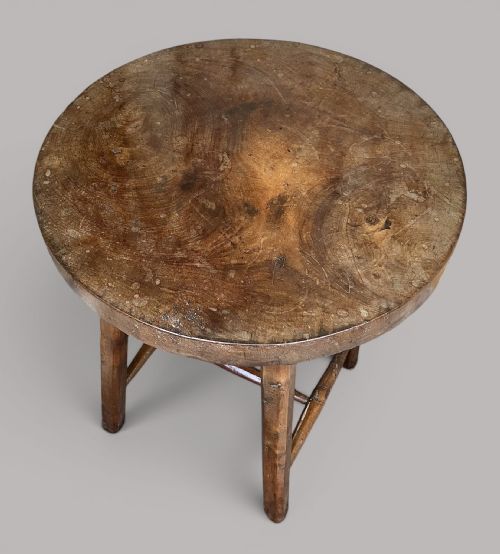
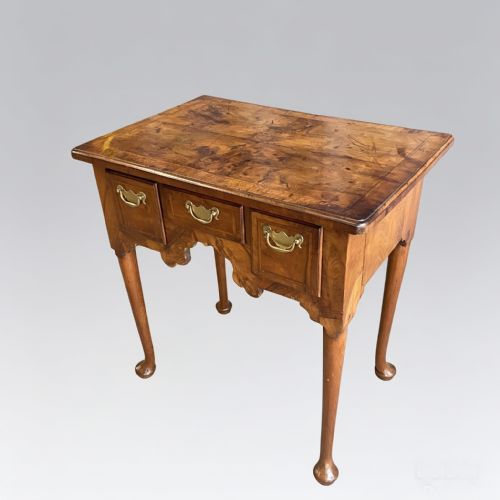
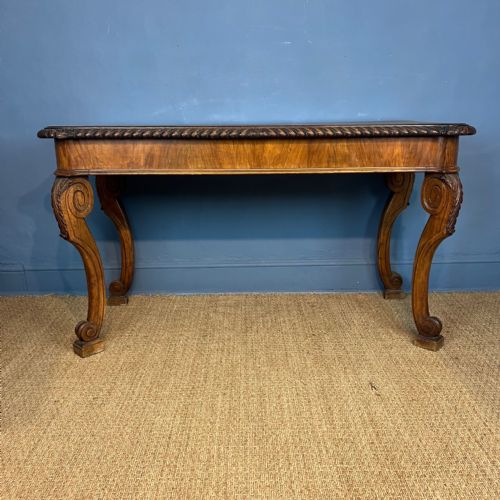
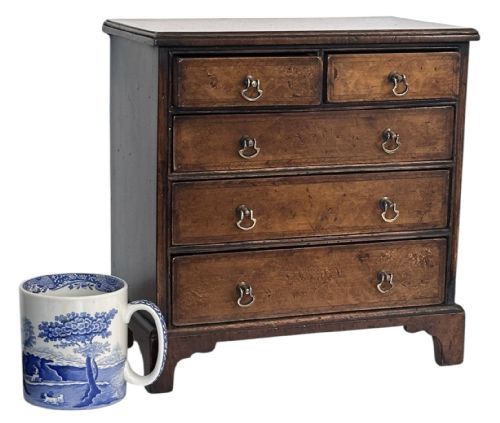
Chest of drawers and lowboys appear frequently alongside side tables, desks, and longcase clocks.
The materials combine structural strength with decorative grain, utilising oak for endurance and walnut for display.
Construction and materials
Cabinet makers utilised oak for drawer linings, carcases, and structural framing because of its density and stability.
Walnut and burr walnut were applied as veneers or solid timber on drawer fronts and primary surfaces, often enhanced by crossbanding.
Brass handles, escutcheons, and hinges completed the hardware on pieces like chests, desks, and longcase clocks.
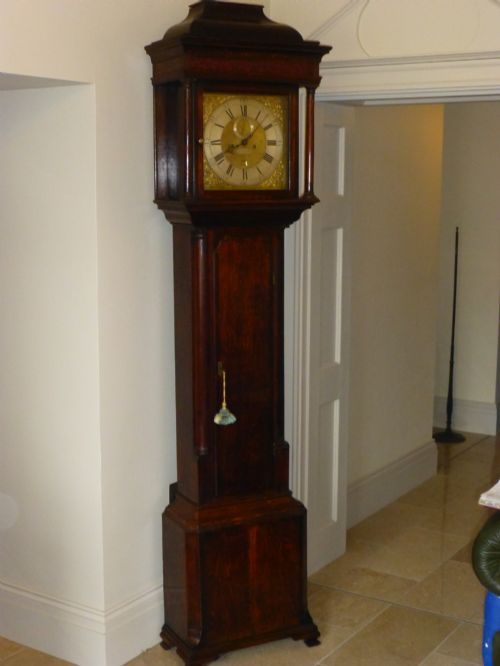
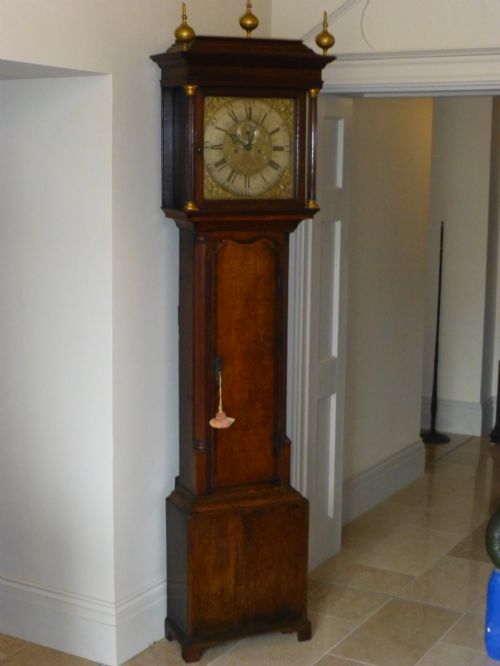
Several longcase clocks keep ticking away centuries after their makers finished them.
Quality and execution
The fineness of the walnut veneer and the symmetry of the grain patterns distinguish superior examples.
Joinery execution, such as hand-cut dovetails on drawers and the retention of original brass hardware, separates works of high competence from simpler items.
Proportion and the preservation of original timber surfaces determine the standing of each piece.
Richard Corless of Stockport·Smith of Chester·Henry Deykin·Samuel Young Nantwich
The Georgian Oak and Walnut Glossary
- Crossbanding
- A border technique where thin strips of veneer are laid perpendicular to the grain of the main surface. This frames drawer fronts and tabletops.
- Burr walnut
- Timber taken from the abnormal growth of a walnut tree, yielding intricate swirling patterns. It was used on high-status drawer fronts and cabinets.
- Lowboy
- A small side table with one or more rows of drawers, commonly standing on four legs. These tables served as dressing or writing surfaces.
- Longcase clock
- A tall pendulum clock housed in a wooden case with a brass dial. These timepieces combine cabinet-making with horology.
Georgian Oak and Walnut: Frequently Asked Questions
How do I identify oak and walnut furniture?
Look for structural framing in oak paired with figured walnut veneers on the main display surfaces. Drawer linings and secondary woods typically show the open grain of oak.
Contrasting colour tones between the pale or medium brown oak and the richer, darker walnut help distinguish the dual-timber construction.
Where were these pieces used?
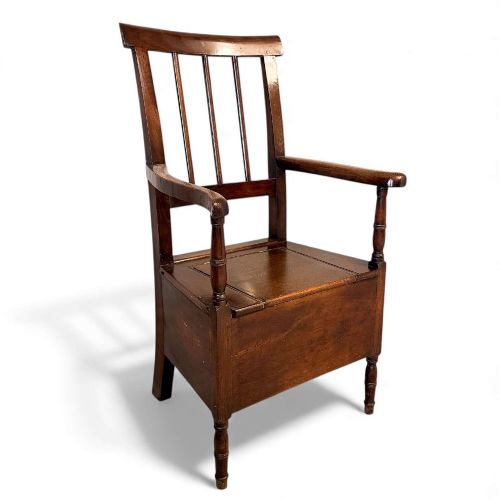
These items functioned across domestic interiors, from bedrooms holding chests of drawers to reception rooms housing longcase clocks and desks.
Smaller tables and lowboys sat in hallways or parlours for writing and display.
How do I date a piece?
Dating relies on stylistic markers such as bracket feet, cabriole legs, brass handle designs, and construction methods like hand-cut dovetails. William and Mary and Early Georgian pieces display distinct turning and banding styles compared to later Victorian items.
Secondary wood choices and hardware fixings also provide clues to the decade of manufacture.
How should I care for walnut veneer?
Keep wooden items away from direct sunlight and steady sources of heat to prevent the walnut veneer from drying or lifting. Dust gently with a dry cloth and avoid harsh chemical polishes.
Maintaining stable room humidity preserves both the oak carcase and the delicate surface veneers.