
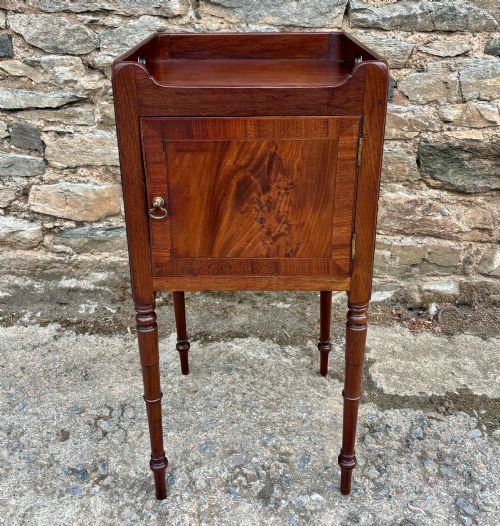
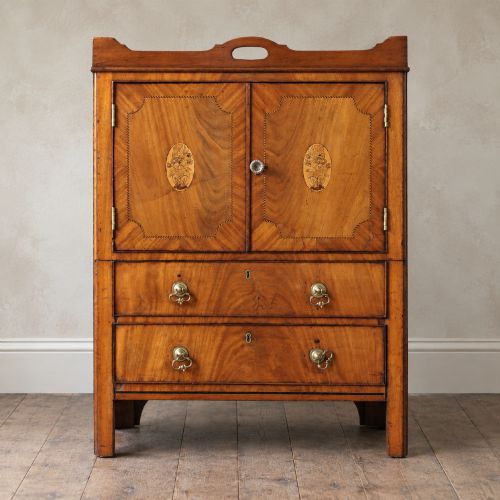
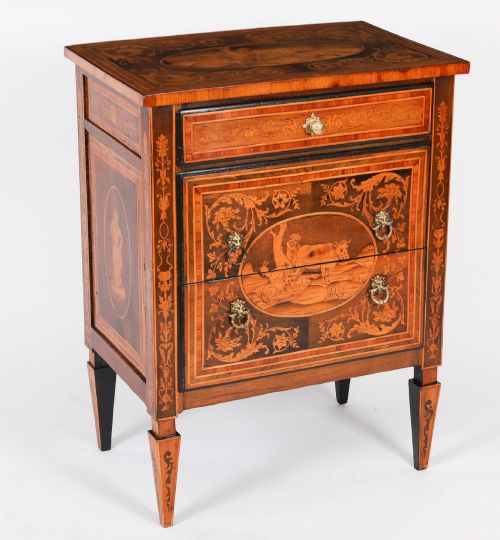
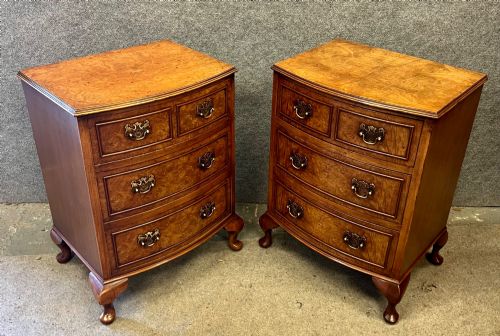

Georgian Nightstand Cupboard
A georgian nightstand cupboard brings practical storage and solid timber craftsmanship beside a bed, offering period character to a room.
Georgian Nightstand Cupboard
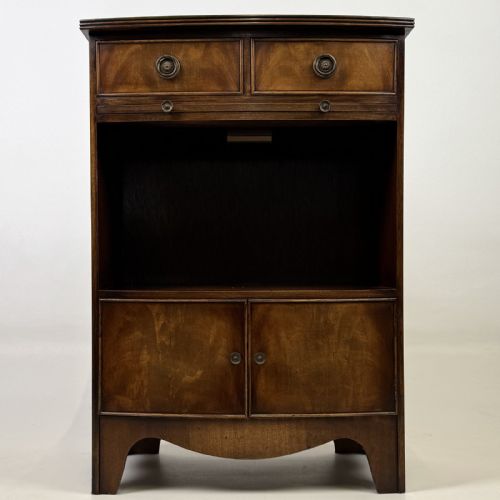
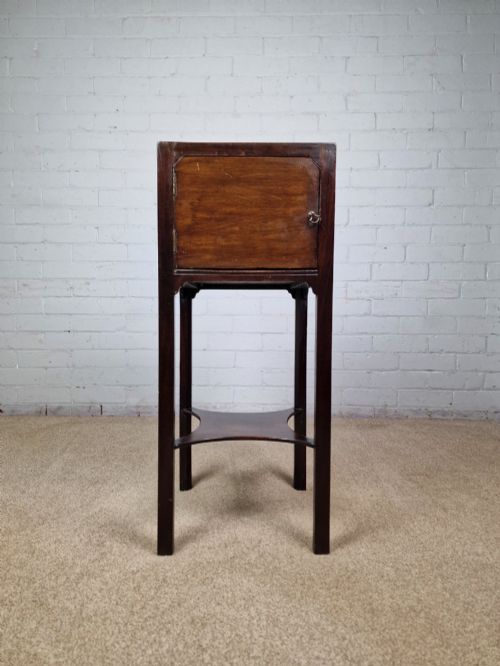
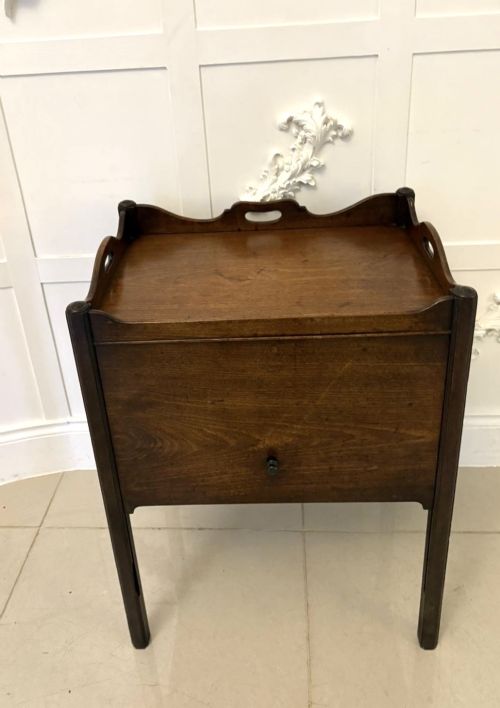
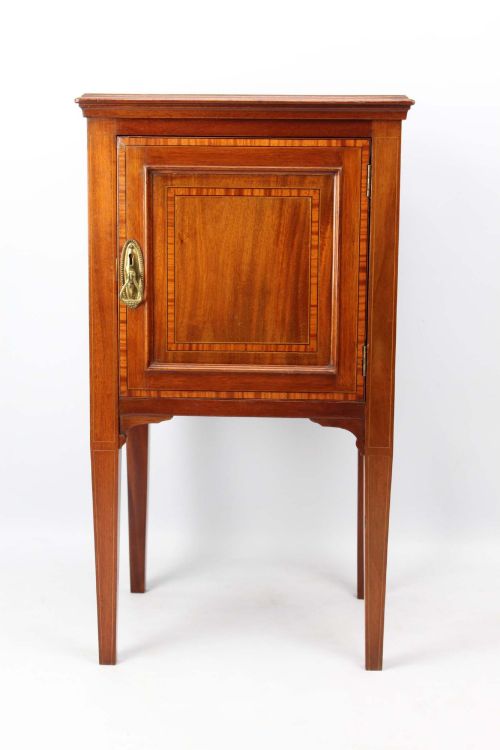
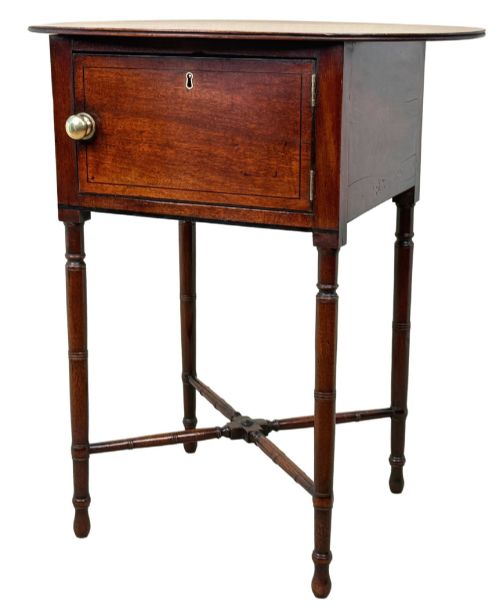
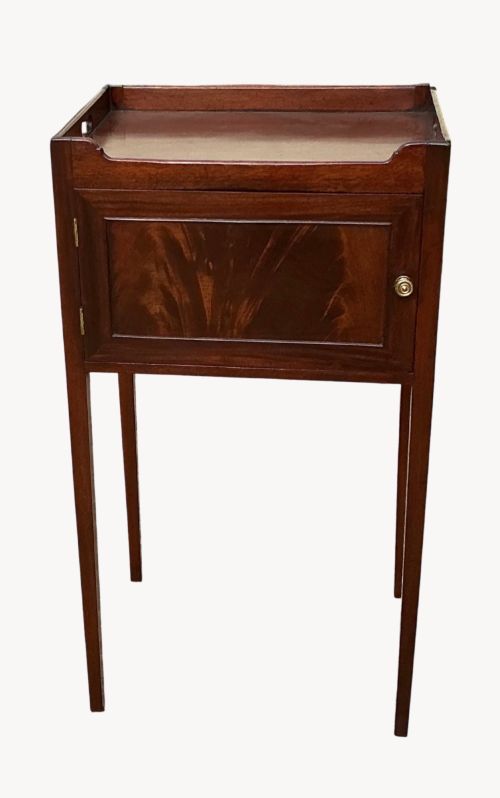
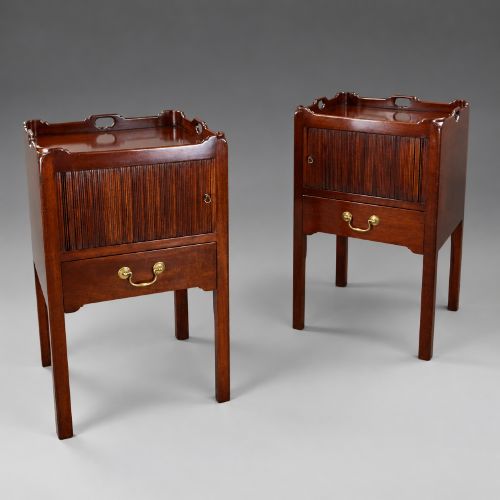
A georgian nightstand cupboard appears in forms such as bedside cabinets, pot cupboards, night tables, and close stools. These pieces originate primarily from the Georgian and Regency periods, alongside later revival interpretations.
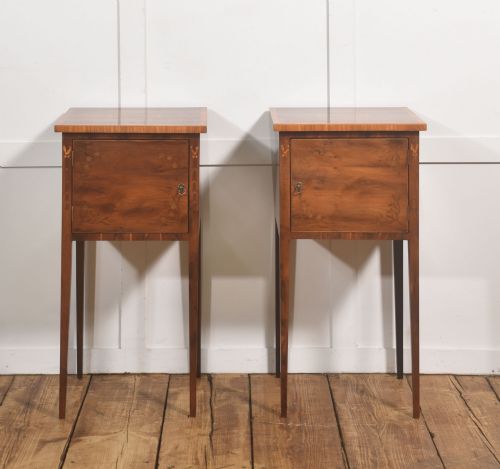
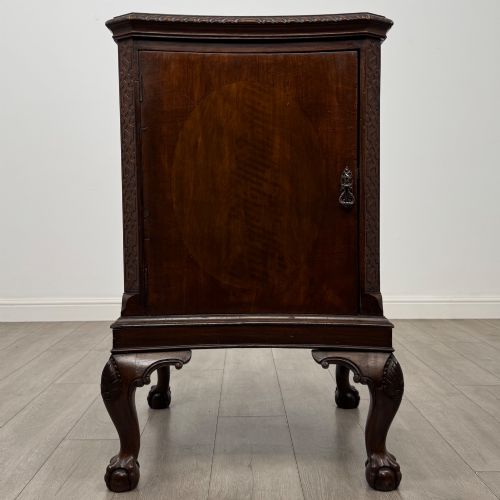
The most common examples on this page are mahogany bedside cupboards and cabinets dating from the eighteenth and nineteenth centuries. Buyers also encounter pairs and corner cabinets reflecting George III and Chippendale designs.
Makers and workshops of the period constructed these small cupboards to contain chamber utensils or provide discreet bedside storage. Their compact proportions make them adaptable for placement beside modern beds.
Materials and Construction
Cabinet makers relied heavily on solid mahogany, frequently selecting flame-mahogany veneers for cylinder bodies and drawer fronts. Secondary woods included oak and elm, particularly for utilitarian forms like close stools.
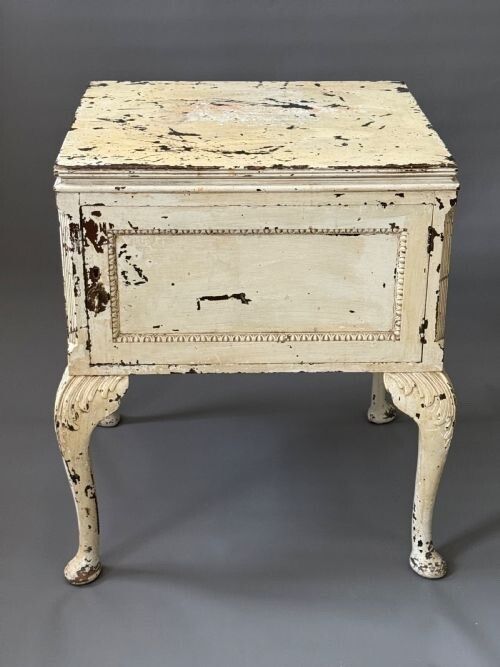
Surface enrichment involved satinwood inlay, boxwood stringing, and brass hardware such as drop handles and hinges. Certain pieces display hand-painted detailing or a painted finish over the timber base.
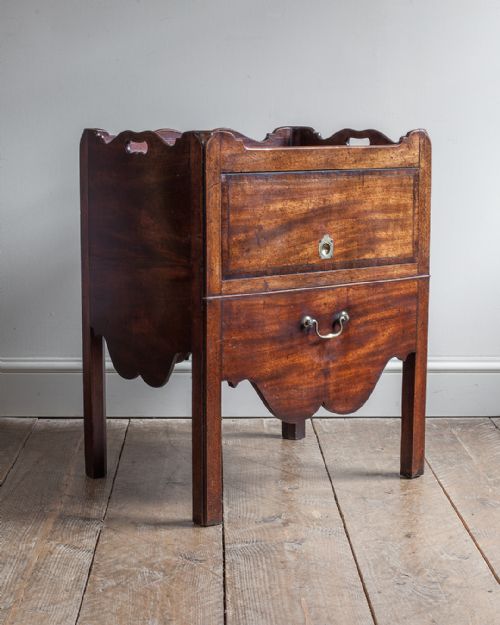
The inventory includes specialised forms such as tray top commodes, cylindrical bedside cupboards, and corner pot cupboards.
Judging Quality
The distinction between standard and superior pieces rests on timber selection, such as figured mahogany or burr walnut, and the crispness of carved details like fretwork or reeded legs. Proportions and original hardware contribute substantially to the overall integrity.
Matching pairs command particular attention due to the difficulty of surviving centuries together without modification. The presence of original tray tops, internal shelving, and untouched patination elevate a piece above altered or heavily restored examples.
Gillows·Holland & Sons
The Georgian Nightstand Cupboard Glossary
- Pot cupboard
- A small bedside cabinet designed originally to enclose a chamber pot. These often feature enclosed cupboards above lower drawers or pull-out sections.
- Tray top
- A raised rim around the upper surface of a bedside table or commode, designed to prevent items from rolling off. This feature appears frequently on mid-eighteenth-century examples.
- Close stool
- A piece of furniture resembling a small chest or bedside cabinet that enclosed a commode seat. Eighteenth-century versions often disguise this function behind hinged top surfaces and dummy drawer fronts.
- Flame-mahogany
- Timber cut to reveal a distinctive flickering grain pattern resembling flames. Cabinet makers used this veneer on prominent surfaces like cylindrical doors and drawer fronts during the Regency period.
- Serpentine
- A gently undulating curved line shaping the front of a cabinet or chest. This contour requires skilled woodworking to follow the grain accurately.
Georgian Nightstand Cupboard: Frequently Asked Questions
What is a georgian nightstand cupboard used for today?
These small cabinets function well as bedside tables providing enclosed storage for books and personal items. Their compact footprints allow them to fit into smaller bedrooms where standard tables prove too large.
Collectors also place them in hallways or living rooms as lamp tables or decorative accent pieces. The internal compartments keep clutter hidden while the upper surface holds a lamp or small objects.
How do I identify a genuine period piece?
Examine the construction methods, timber patination, and interior framing for signs of age. Eighteenth-century pieces exhibit hand-cut dovetails and timber movement appropriate to their age rather than machine precision.
Check for consistency in the hardware and secondary woods used inside the cabinet. Alterations or replaced elements often show mismatching timber tones or filled screw holes from earlier fittings.
Are pairs difficult to find?
Original pairs of eighteenth-century bedside cabinets appear less frequently because furniture was rarely commissioned in matched sets for bedrooms during that era. Most surviving pairs date from the nineteenth or twentieth-century revivals.
When genuine eighteenth-century pairs do emerge, they usually display uniform timber grain and identical dimensions. Single cabinets remain the standard offering across most periods.
What is the difference between a nightstand and a pot cupboard?
A nightstand generally refers to an open or drawer-fitted table placed beside a bed for night-time essentials. A pot cupboard specifically includes an enclosed cabinet space designed to house a chamber pot.
Over time, many pot cupboards lost their original internal fittings and function simply as small bedside storage cupboards. Both forms share similar heights and compact dimensions suitable for bedside placement.