



Georgian Naval Painting
A georgian naval painting captures the salt spray, canvas, and powder smoke of an era when Britain ruled the waves.
Georgian Naval Painting
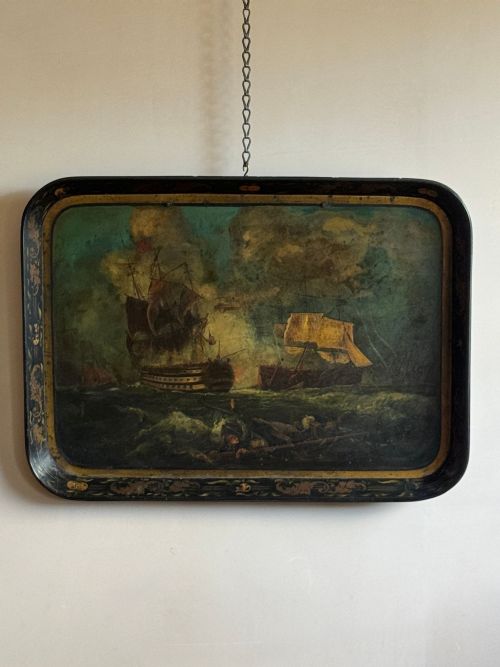
A georgian naval painting encompasses oil on canvas canvases depicting sea battles, harbour scenes, and warships under full sail. Buyers searching for a georgian naval painting will encounter robust maritime works dated primarily to the eighteenth and nineteenth centuries, spanning both Georgian and Regency periods.
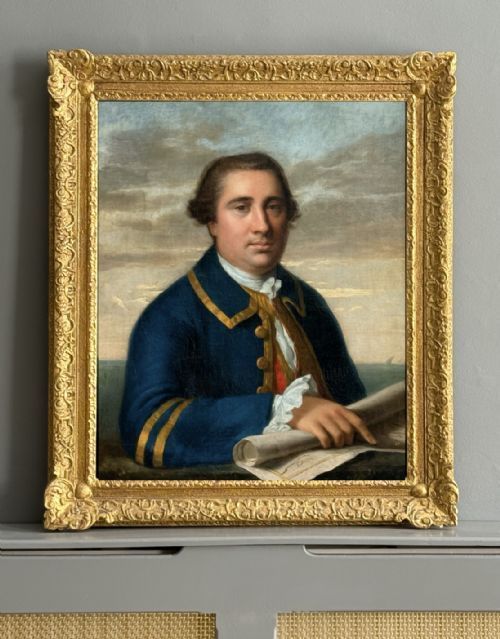
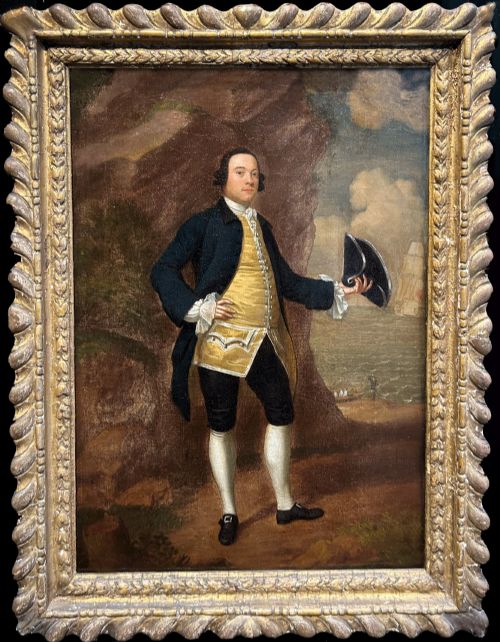
The category extends beyond large canvases to include intimate portrait miniatures of naval officers on enamel or agate, alongside decorative trays and carved models of historic vessels. These items record the visual history of the Royal Navy, privateers, and merchant fleets through the eyes of period artists.
Most examples originate from British hands, though French officers and international engagements also appear within the selection. Works range from expansive depictions of ships in action to quiet coastal harbour views and detailed likenesses of admirals.
How They Were Made
Artists applied oil paint to stretched canvas using fine bristles to render the complex rigging of warships, rolling ocean swells, and billowing smoke from cannon fire. Watercolour on paper offered an alternative medium for coastal studies and officer portraits.
Frames matched the status of the subjects, utilising carved and gilded wood or maple alongside specialised mountings such as gold leaf panels and enamel settings. Papier-mâché and painted pine served utilitarian forms like decorative trays and seaman's chests.
Listings feature works spanning the eighteenth and nineteenth centuries, executed in oil on canvas, watercolour, enamel, and carved wood.
What Varies in Quality
The standard of a naval work rests upon the artist's anatomical accuracy in rendering ship construction, rigging, and maritime topography. Master practitioners capture the dynamic movement of water and light with precision, whereas lesser hands produce stiff, formulaic representations of hulls and sails.
Provenance and subject identification elevate specific pieces above standard decorative works. Named admirals, documented engagements, and attributions to recognised portraitists or marine specialists command greater attention from collectors.
Lemuel Francis Abbott·Francis Hayman·Henry Bone·John Simmons·Samuel Owen·Sir Thomas Lawrence·George Frederick Clarke·Samuel Lane·Francis Holman·Robert Ker Porter·Ambrosini Jerome
The Georgian Naval Painting Glossary
- Man-of-war
- A powerful armed sailing warship of the Royal Navy carrying multiple gun decks. These vessels formed the backbone of naval fleets during the eighteenth and nineteenth centuries.
- Privateer
- A privately owned armed ship commissioned by government letter of marque to attack enemy shipping during wartime. These vessels operated with official sanction.
- Giltwood
- Timber carved and coated with gold leaf or gold paint to create an ornate frame. Such surrounds were typical for high-status oil paintings of officers and engagements.
- Portrait miniature
- A small, highly detailed painting on ivory, enamel, or agate depicting an individual head and shoulders. Naval officers frequently commissioned these for family members.
- Reverse glass print
- An image painted or printed on the underside of a piece of glass to protect the pigment and produce a glossy finish. These often appeared above mirrors or within decorative furnishings.
Georgian Naval Painting: Frequently Asked Questions
How do I identify a naval officer portrait?
Naval officer portraits typically feature subjects wearing period military uniforms, often with gold lace, cockaded hats, or specific service medals. Backgrounds frequently incorporate ships at sea, anchors, or billowing canvas to denote maritime service.
Artists often inscribed the names of sitters or battles on the reverse of the canvas or within contemporary framing. These visual cues distinguish naval commissions from general civilian portraiture of the Georgian era.
Were these paintings made during the actual events?
Many marine paintings were created contemporaneously by artists who witnessed the engagements or served at sea. Other works were commissioned later by families to commemorate an ancestor's naval career or specific victories.
Examining the period of the canvas and the dress of the figures helps establish whether a work is an eyewitness record or a later historical reconstruction.
How should I care for antique oil paintings?
Antique canvases require stable environmental conditions away from direct sunlight, excessive heat, and sudden humidity fluctuations. These measures prevent the oil paint from cracking and the canvas from slackening over time.
Dusting should be undertaken gently with a soft, dry brush by someone experienced with fragile painted surfaces. Professional conservation should be sought for any deeper cleaning or structural repairs.
What is the difference between Georgian and Regency styles?
Georgian art generally encompasses the broader eighteenth-century aesthetic, characterised by dramatic baroque influences and detailed narrative scenes of naval warfare. Regency style, spanning the early nineteenth century, tends toward neoclassical restraint and sharp clarity in portraiture.
Both periods share a focus on maritime dominance, but the handling of light and uniform details shifted as naval technology evolved.
Can I hang marine art in bright rooms?
Bright rooms subject delicate oil pigments, watercolours, and antique wood frames to fading and thermal stress. Direct sunlight is particularly damaging to organic materials like canvas, paper, and gold leaf.
Positioning works away from south-facing windows and using modern UV-filtering glass for works on paper ensures long-term preservation.