
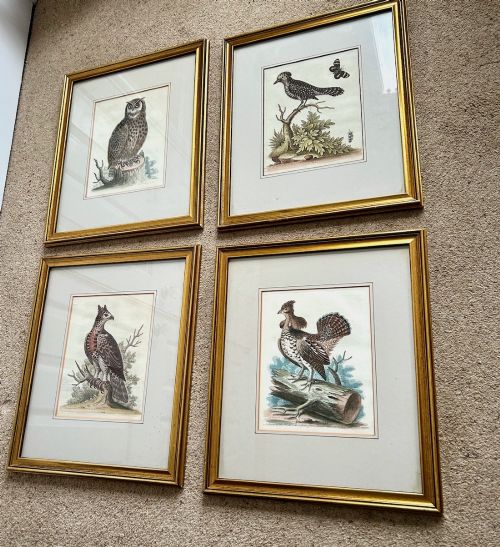


Georgian Natural History Prints
Georgian natural history prints bring scientific observation into domestic rooms through hand-coloured paper engravings and watercolours.
Georgian Natural History Prints
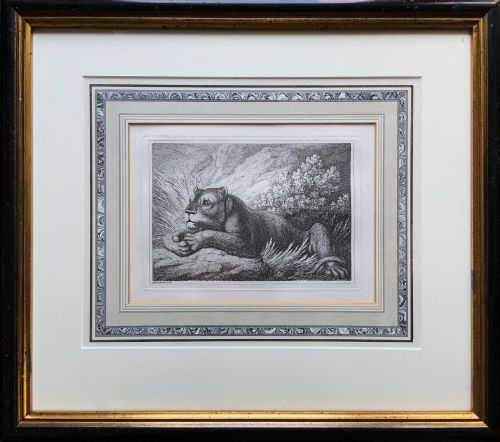
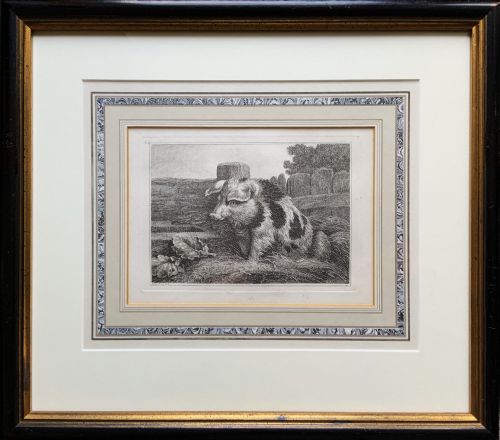
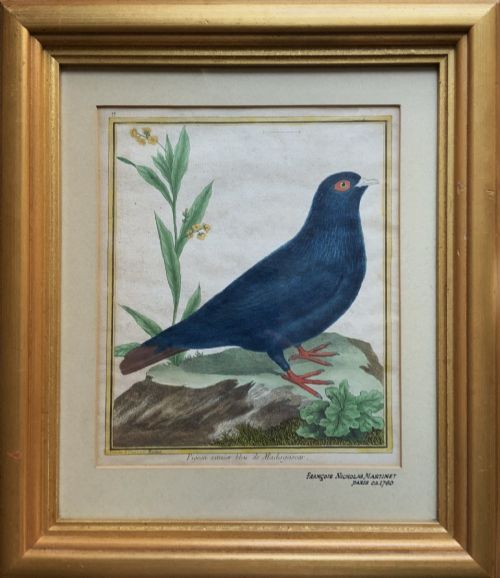
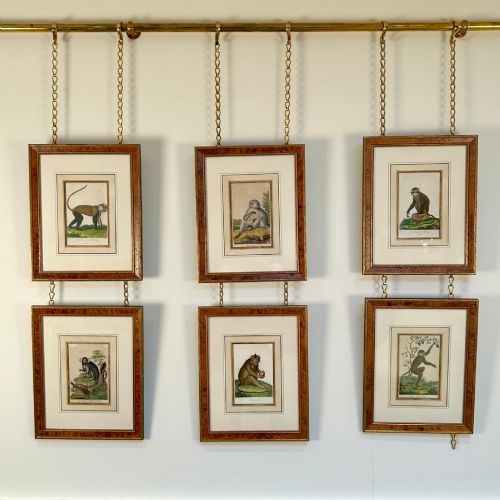
When you search for georgian natural history prints, you encounter works produced on paper during the eighteenth and nineteenth centuries, often categorised under styles such as Georgian natural history and Regency. These items encompass framed prints, wall art, and watercolours depicting subjects ranging from birds and monkeys to serpents and angling scenes.
The selections available here span periods from the eighteenth century through to the nineteenth century, including specific dates like 1800, 1850, and 1860. You will find individual plates, pairs, and larger sets housed in wood, gilt wood, and brass frames.
Subjects frequently derive from notable naturalists and illustrators, recording ornithological studies, botanical specimens, and animal portraits. These works bridge scientific recording and decorative framing, designed to hang upon walls.
How They Were Made
The foundation of these works relies upon paper, ink, and watercolour, where engraved lines provide the structural outline of the subject. Artisans applied hand colouring over the printed ink to achieve lifelike hues for birds, monkeys, and plants.
Framing materials incorporate wood, gilt wood, and gold leaf, often protected by glass to preserve the delicate paper surfaces. Brass fixings and backing components complete the construction of these framed prints and wall art pieces.
Listings feature paper, glass, wood, watercolour, gilt wood, gold leaf, brass, and ink across the eighteenth and nineteenth centuries.
What Varies In Quality
Quality rests upon the precision of the initial engraving and the skill involved in the subsequent hand colouring of the paper. Vibrant, well-preserved pigment application distinguishes superior examples from plainer plates.
The condition of the paper and the integrity of the original wood or gilt wood frames influence the overall character of the piece. Completeness within sets, such as matching groups of animal or botanical engravings, also shapes the standing of the work.
François-Nicolas Martinet·George Edwards·Buffon·John Curtis·William Swainson·Eleazor Albin·Audebert
The Georgian Natural History Prints Glossary
- Engraving
- A printmaking technique where an artist cuts an image into a metal plate to hold ink. This method allows for fine, precise lines crucial for scientific illustration.
- Hand Coloured
- The practice of adding pigment by hand to a printed black and white image. Artisans used watercolour to bring natural history subjects to life.
- Gilt Wood
- Wood that has been treated with a thin layer of gold leaf or metallic paint. This finish creates a reflective, decorative border around the framed artwork.
- Ornithological
- Pertaining to the scientific study and depiction of birds. Many plates focus specifically on avian subjects.
Georgian Natural History Prints: Frequently Asked Questions
How should I hang these prints?
Keep them away from direct sunlight to protect the watercolour pigments and paper from fading over time.
Group sets together on a neutral wall to mirror the way nineteenth-century collectors displayed scientific studies.
Are these works original period pieces?
The pieces date from the eighteenth and nineteenth centuries, reflecting the periods recorded in the titles.
They utilise period materials such as paper, ink, and hand-applied watercolours consistent with historical printmaking.
How do I care for framed paper?
Ensure the room maintains a stable humidity level to prevent the paper from warping or developing foxing spots.
Dust the wood and gilt frames gently with a dry cloth without applying liquid cleaners near the glass.
What subjects are most common?
Birds and ornithological studies appear frequently, alongside monkeys, serpents, botanicals with insects, and angling scenes.
These subjects reflect the scientific interests and exploration of the Georgian and Regency eras.