
Georgian Mahogany Holder
A georgian mahogany holder organises books, wine, or music with the rich grain and sturdy joints characteristic of the period.
Georgian Mahogany Holder
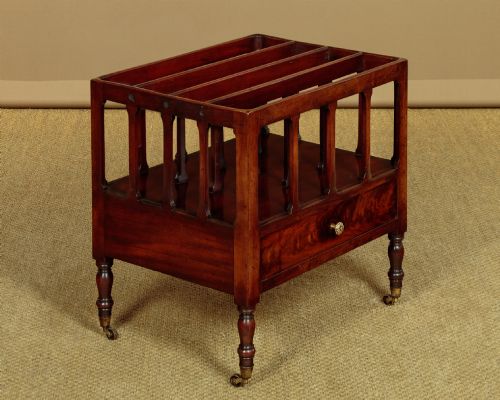
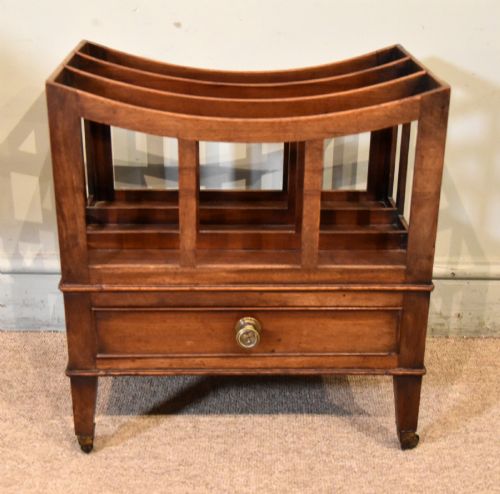
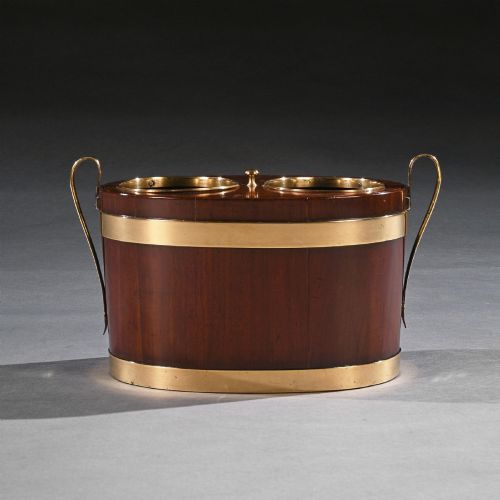
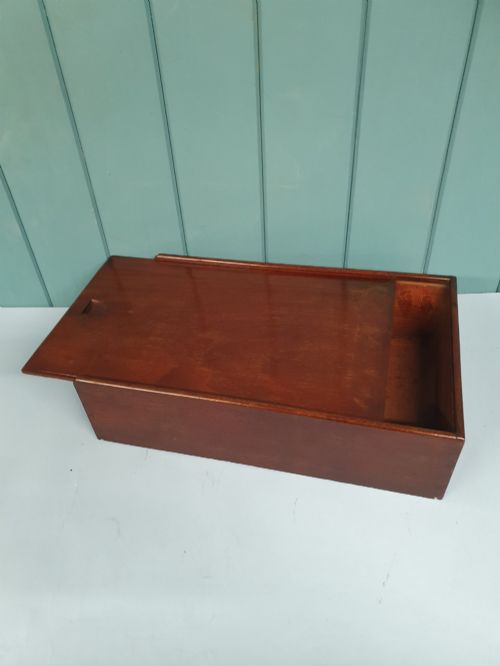
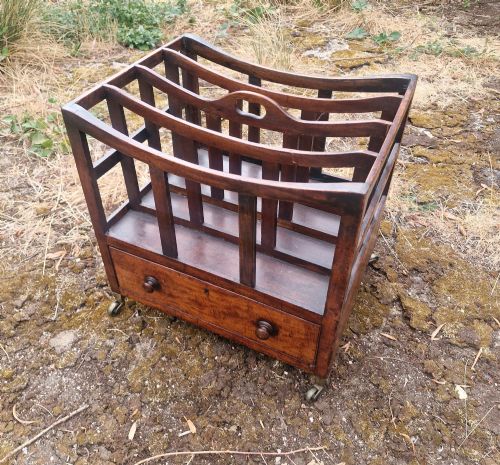
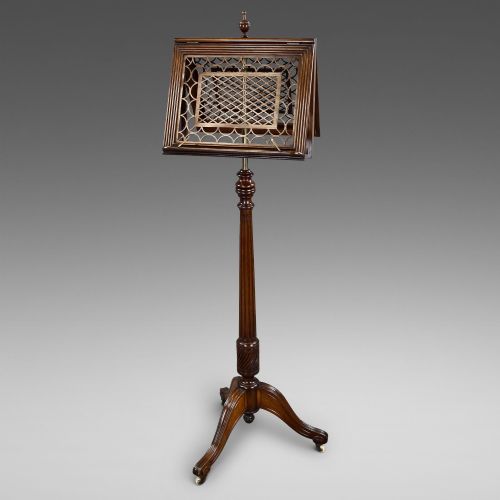
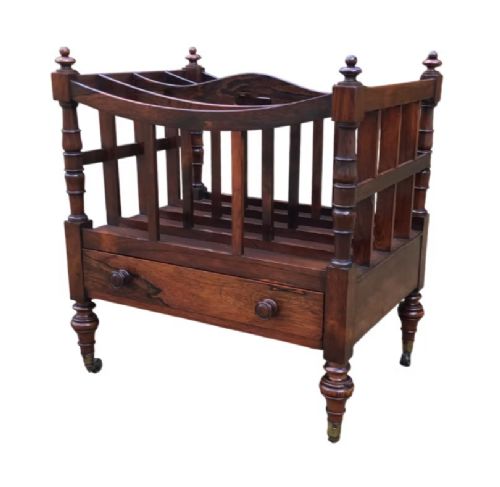
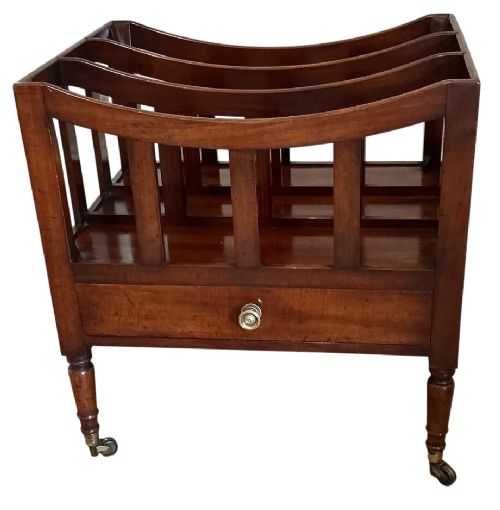
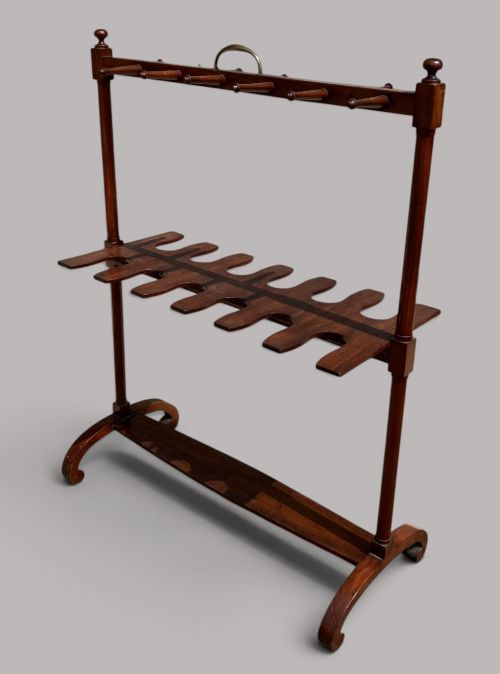
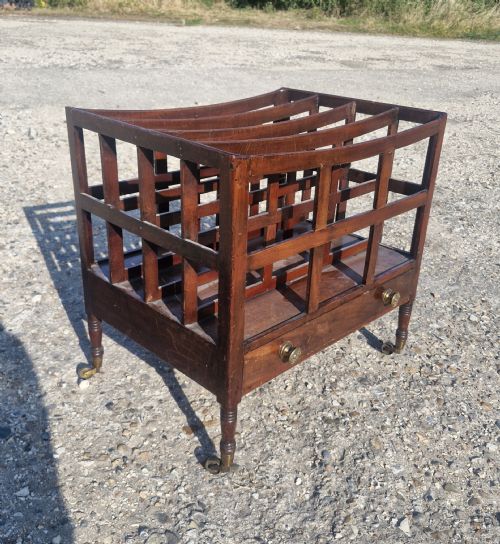
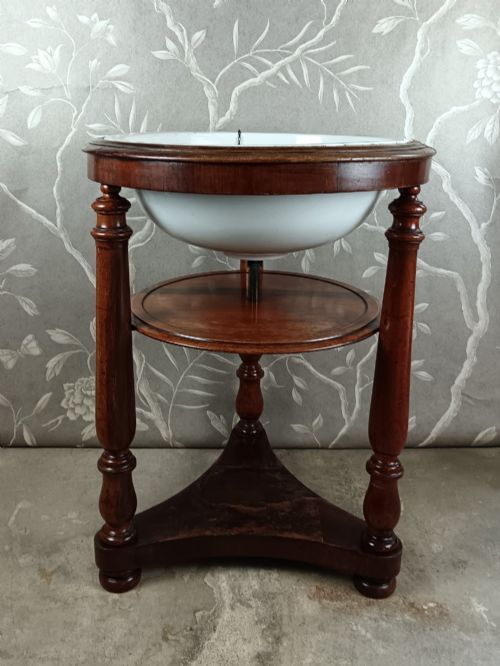
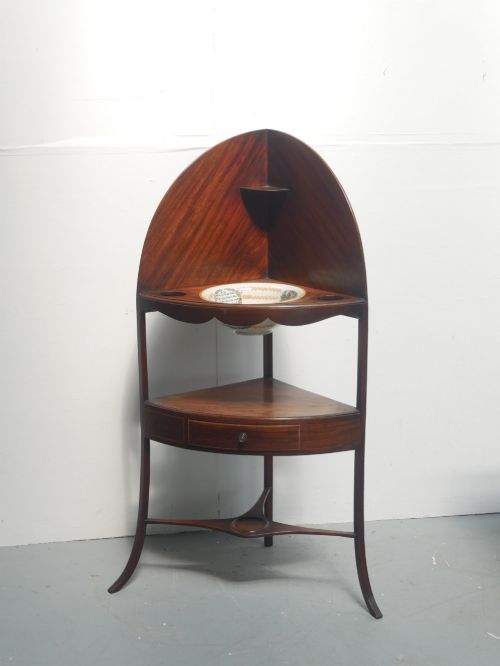
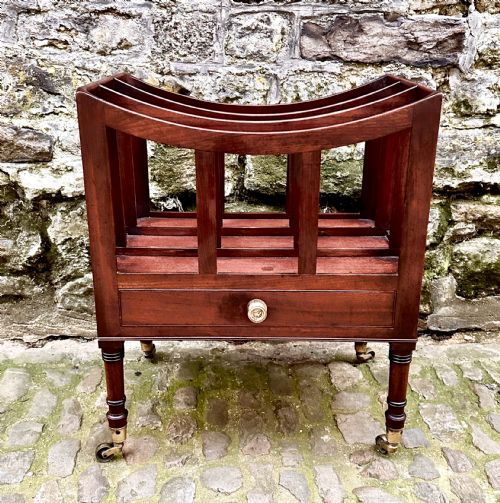
When you search for a georgian mahogany holder, you encounter a specialised piece of domestic equipment designed to store books, wine, music, or correspondence. The selections span a varied range of functional forms, including canterburys, document boxes, wine bottle cradles, plate stands, and music stands.
The versions you meet most frequently on this page date from the eighteenth and nineteenth centuries, encompassing George III and Regency stylistic influences. These items served specific daily uses in country houses and town residences, reflecting the orderly domestic habits of the era.
Assessing quality and finish
Quality rests on the depth of the timber grain, the crispness of any inlaid details, and the integrity of the original brass hardware. Pieces featuring restrained carving and balanced proportions represent superior cabinet work compared to utilitarian items.
The retention of original surface patination without excessive modern restoration distinguishes finer examples from heavily refinished pieces. Structural stability in load-bearing items like book carriers and canterburys also determines the standing of a piece.
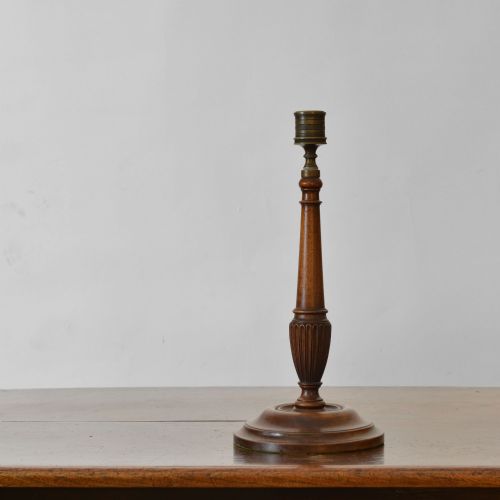
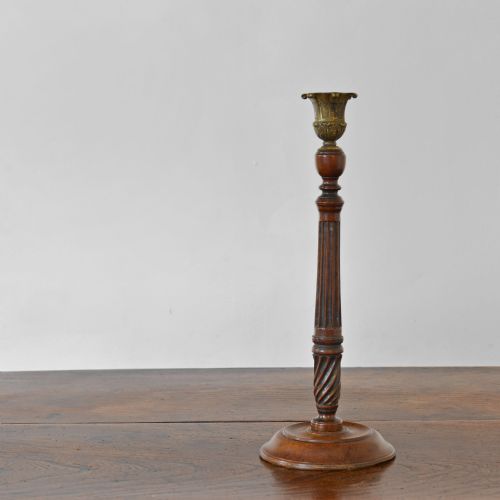
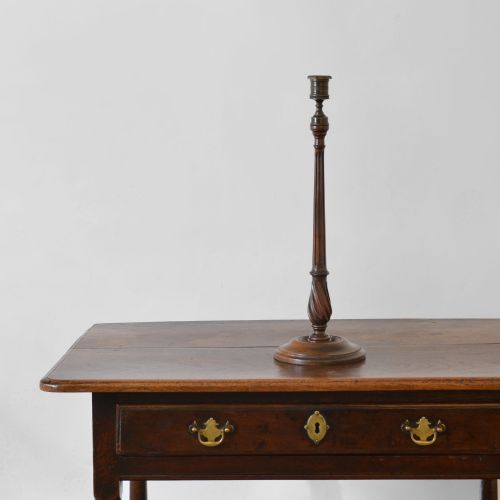
Several items double as night watch holders, keeping late-night essentials close at hand before electric lighting existed.
The Georgian Mahogany Holder Glossary
- Canterbury
- A low stand with slatted divisions used for holding sheet music, folios, or magazines. It typically incorporates a small drawer beneath the compartment.
- Cellaret
- A lockable container or cabinet designed to hold bottles of wine safely. They often feature lead linings or brass bottle partitions.
- Cheese coaster
- A small trolley or tray with low sides designed to hold a wedge of cheese on the dining table. They frequently roll on small recessed wheels.
- Duet stand
- An adjustable music stand designed to hold scores for two performers. Examples from the period often feature pivoting book rests.
- Ormolu
- Gilded bronze ornamentation applied to furniture and decorative objects. It provides bright metallic contrast against dark mahogany surfaces.
Georgian Mahogany Holder: Frequently Asked Questions
How do I use a canterbury today?
A canterbury functions well beside a desk or armchair for holding current reading materials, journals, or sheet music.
The partitioned sections keep documents upright and tidy while adding period character to a modern room.
What was a cheese coaster used for?
Dining guests rolled these small wheeled trays along the mahogany table to pass cheese securely after the main meal.
Their curved bases kept the cheese stable as the tray travelled across polished timber surfaces.
How do I distinguish Regency from George III styles?
George III pieces generally display classical architectural proportions, straight lines, and understated mahogany carving.
Regency examples often introduce bolder classical motifs, boat shapes, brass inlay, and heavier turned supports inspired by antique Roman designs.
Where should I place a music stand?
An adjustable music stand fits easily into a study, library, or corner as a display surface for open books or folios.
The height-adjustable mechanism allows you to alter the viewing angle for reading.