

Georgian Mahogany Chest Desk
These pieces known as a georgian mahogany chest desk combine drawer storage with a fitted writing surface, offering practical workspaces crafted in solid timber.
Georgian Mahogany Chest Desk
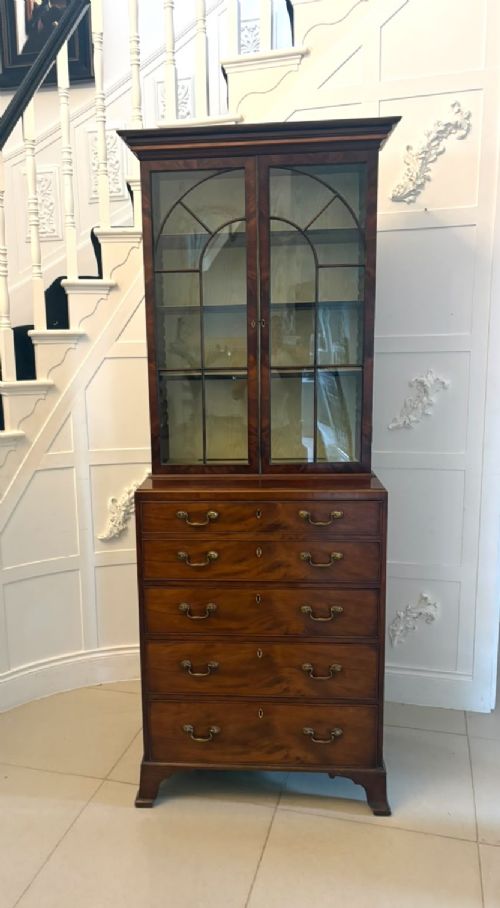
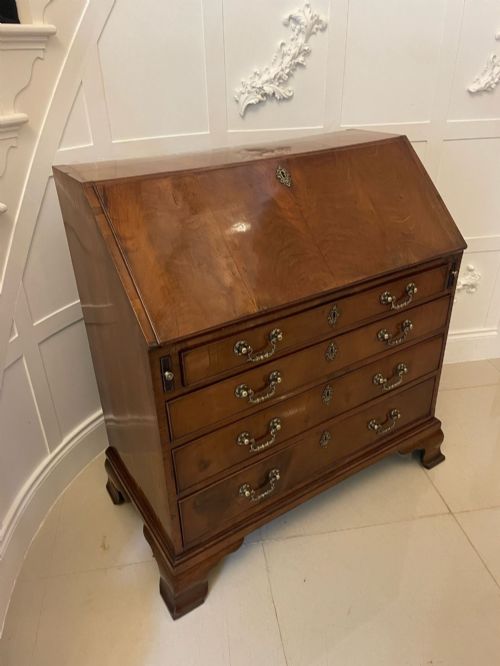
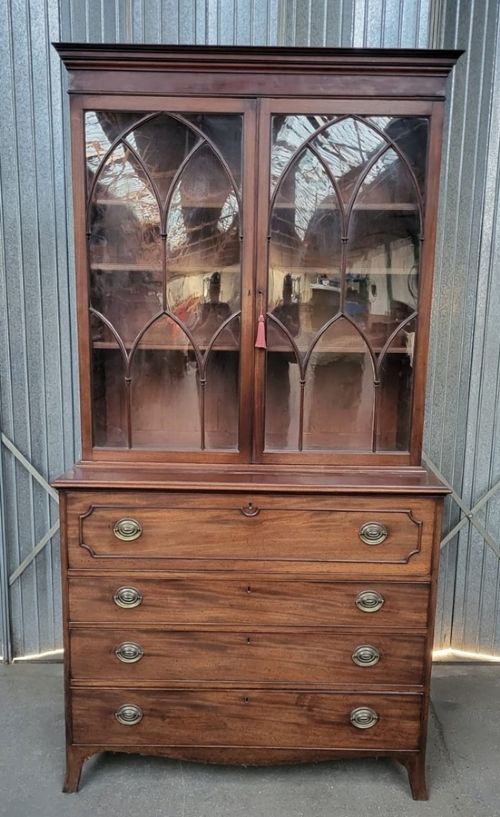
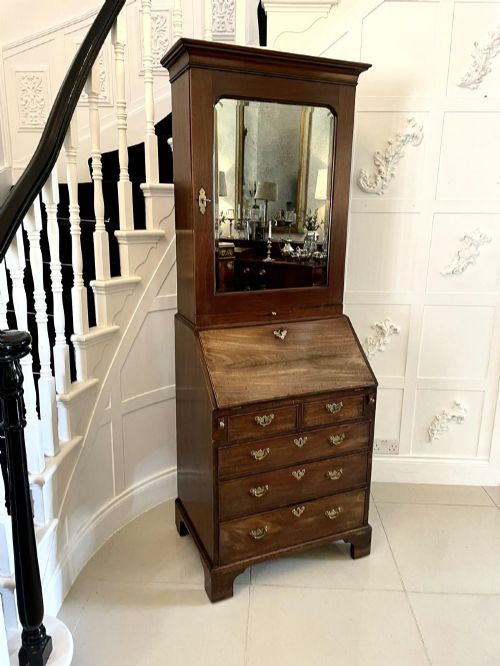
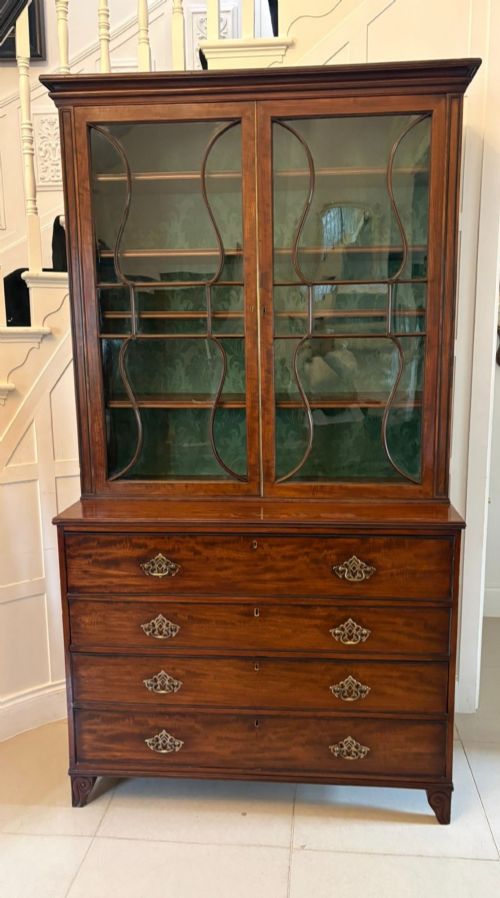
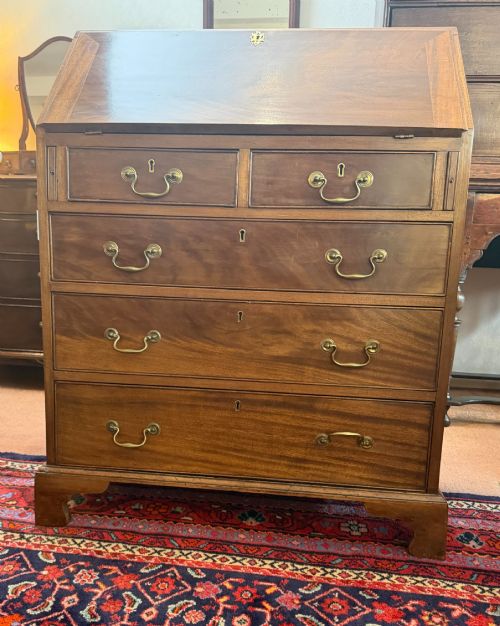
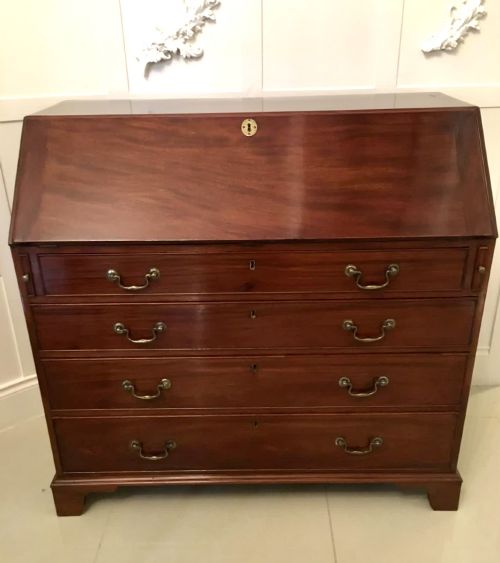
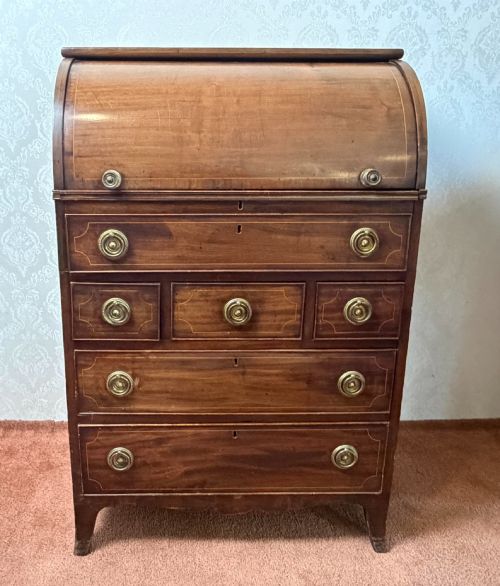
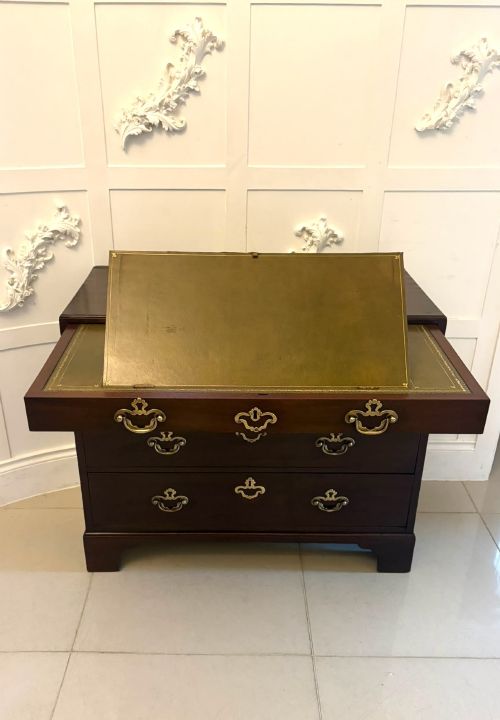
A georgian mahogany chest desk primarily takes the form of bureaux, secretaire bookcases, and dressing chests dating from the eighteenth and nineteenth centuries. These items serve a dual purpose, concealing compartments for correspondence behind a drop-front flap or sliding surface while maintaining the lower capacity of a set of drawers.
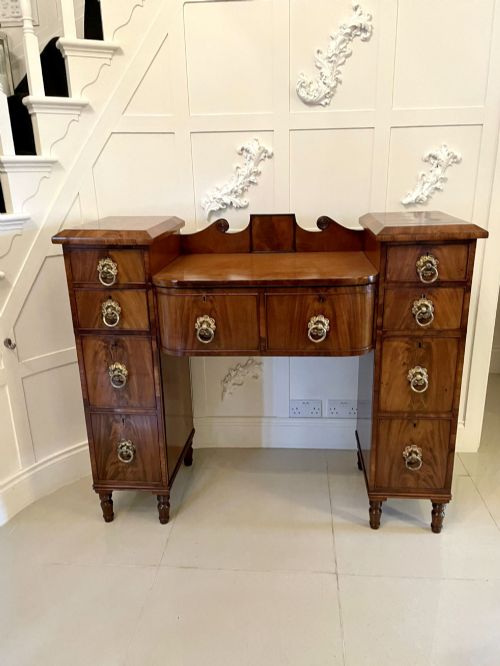
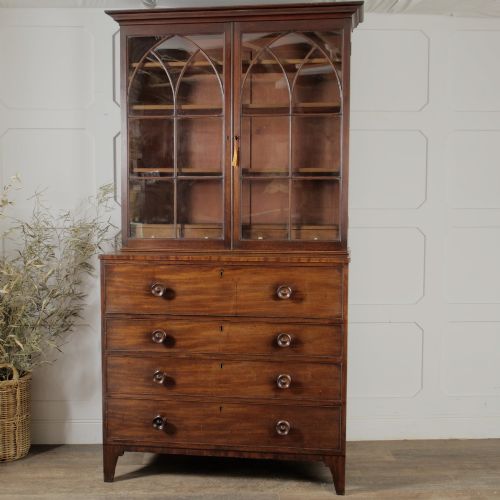
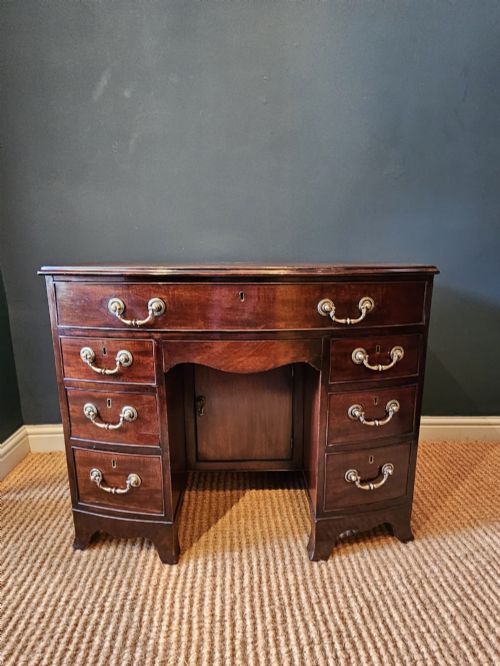
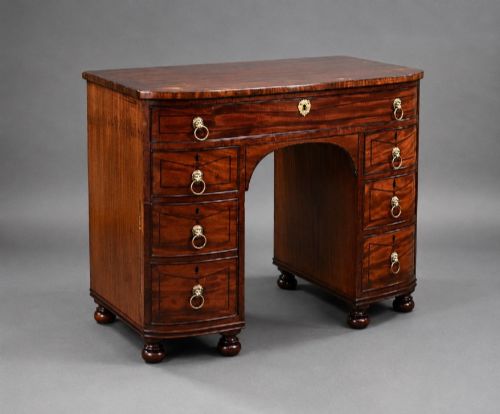
The pieces on this page span the Georgian, George III, George II, and Regency periods, alongside later Georgian Revival examples. Buyers encounter tallboys, kneehole desks, and lowboys alongside standard secretaire chests equipped with fitted interiors and glazed bookcase top sections.
Materials and Construction
Makers built these items predominantly using solid and veneered mahogany, often supported by secondary timbers like oak for drawer linings. Workshops applied marquetry inlay, brass handles and escutcheons, and glass panes for bookcase doors to finish the exteriors.
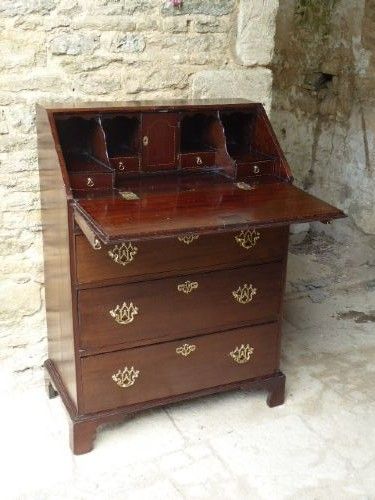
Internal components incorporate specialised fittings such as baize or leather writing surfaces, pigeonholes, and small secret drawers. Cabinetmakers utilised dovetail joints for drawer construction and pegged frames to secure the carcass of each chest or desk.
Listings span the 17th century through the 1930s, utilising mahogany, oak, walnut, brass, leather, and glass across various desk forms.
Judging Quality
The standard of a georgian mahogany chest desk rests upon the selection of timber figures, such as flame or figured mahogany veneers, and the precision of the inlay work. Superior examples demonstrate refined proportions, well-figured grain matching across drawer fronts, and original brass hardware.
Interior execution distinguishes finer pieces, particularly where cabinetmakers shaped secret compartments, small pigeonholes, and central locking doors with intricate detail. The retention of original glass in bookcase sections and secondary oak drawer construction further elevate the standing of an individual desk.
Gillows
The Georgian Mahogany Chest Desk Glossary
- Bureau
- A desk featuring a sloping fall-front that opens to reveal a fitted interior of small drawers and pigeonholes above standard storage drawers.
- Secretaire
- A piece of furniture containing a drawer or compartment that pulls down or out to provide a writing surface.
- Astragal glazed
- A method of dividing glass panes in bookcase doors using narrow wooden framework strips.
- Tallboy
- A tall chest of drawers consisting of two sections stacked vertically, occasionally incorporating a secretaire drawer within the upper carcass.
- Kneehole desk
- A compact desk designed with a central recess for the sitter's legs, flanked by pedestals of small drawers.
Georgian Mahogany Chest Desk: Frequently Asked Questions
What is a secretaire chest?
A secretaire chest resembles a standard chest of drawers from the exterior, but the top drawer pulls forward and drops down to create a writing desk.
Inside this drop-front section, users find a collection of small pigeonholes and hidden compartments designed for stationery and letters.
How do I tell a George III bureau from a later piece?
George III bureaux typically display tighter proportions, hand-cut dovetail joints, and characteristic timber ageing found in eighteenth-century mahogany.
Later Victorian and revival pieces often feature machine-cut elements, heavier timber scantlings, and differing interior drawer configurations.
Were these desks used standing or sitting?
Most of these pieces, particularly standard bureaux and kneehole desks, were designed for use while sitting on a chair or stool.
Tallboys with secretaire drawers required the user to stand or utilise a taller stool to reach the writing surface comfortably.
What are fitted interiors?
Fitted interiors refer to the collection of small drawers, pigeonholes, central cupboard doors, and secret compartments built inside the writing section of a bureau.
Cabinetmakers arranged these compartments behind the fall-front to store inkwells, letters, and valuables out of sight.