
Georgian Mahogany Bookshelf
A georgian mahogany bookshelf brings structural warmth to a room, offering practical open display for volumes built to last through the centuries.
Georgian Mahogany Bookshelf
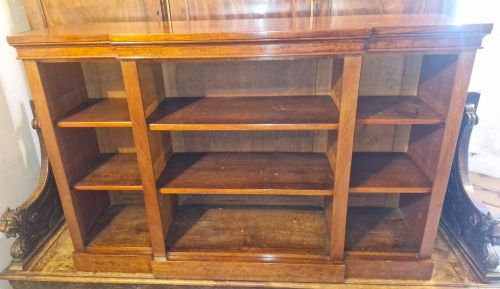
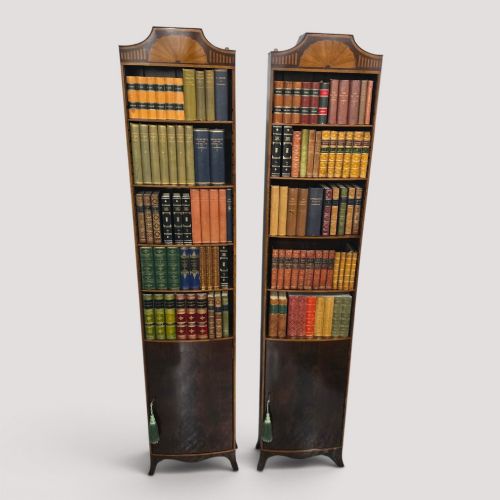
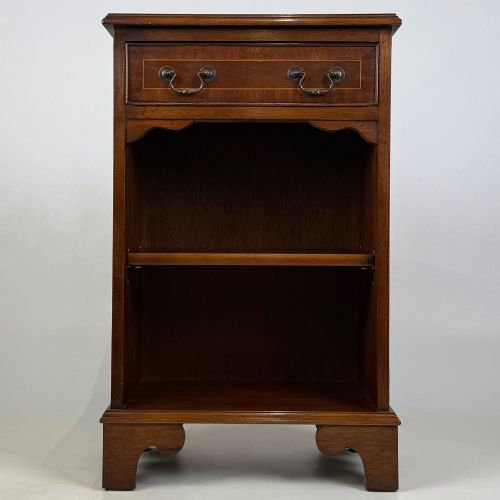
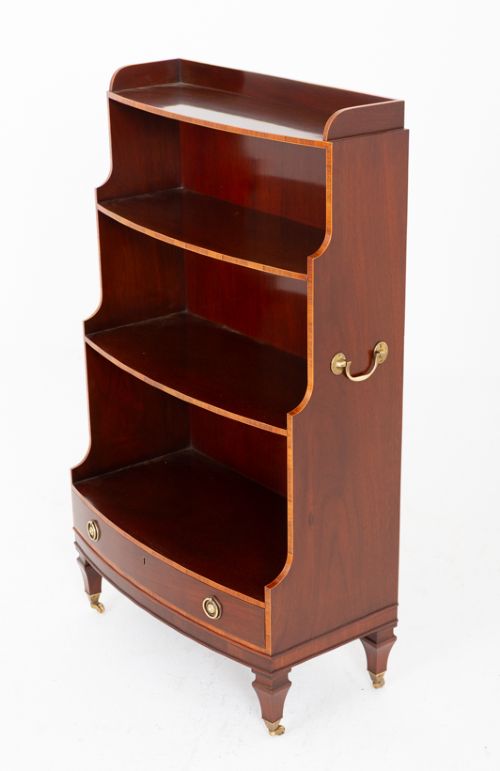
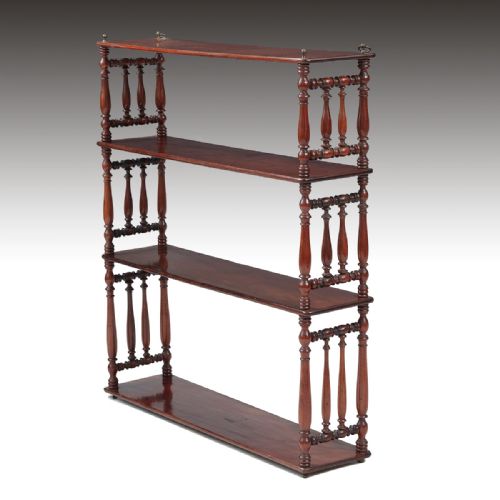
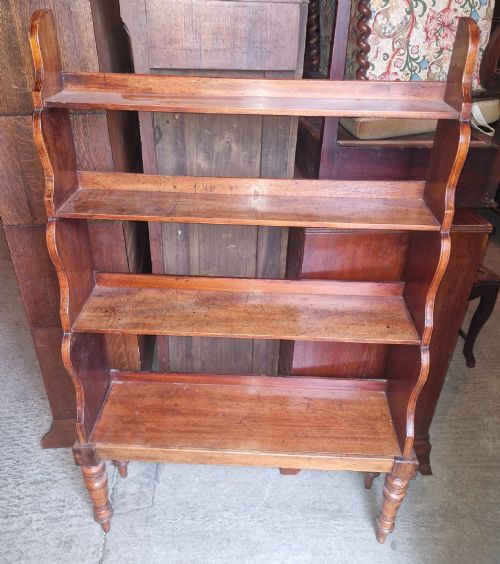
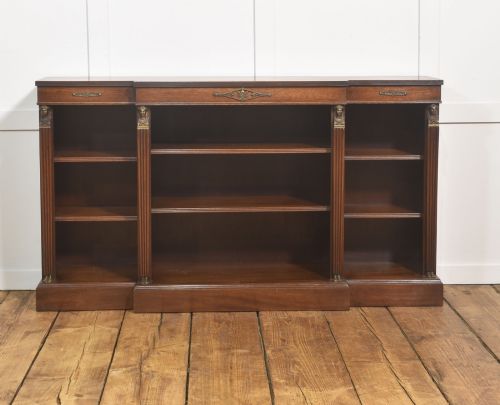
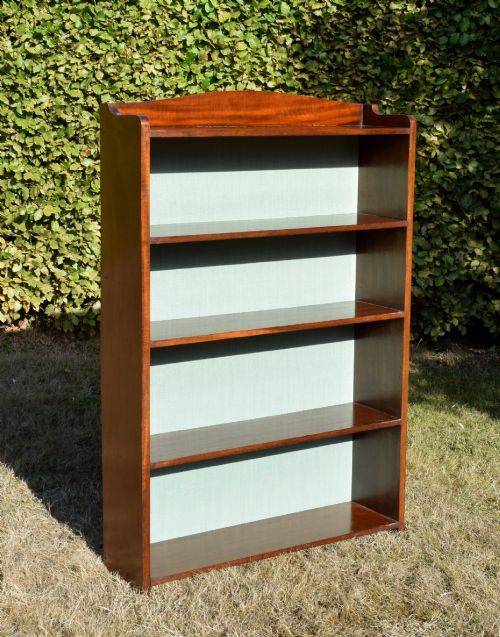
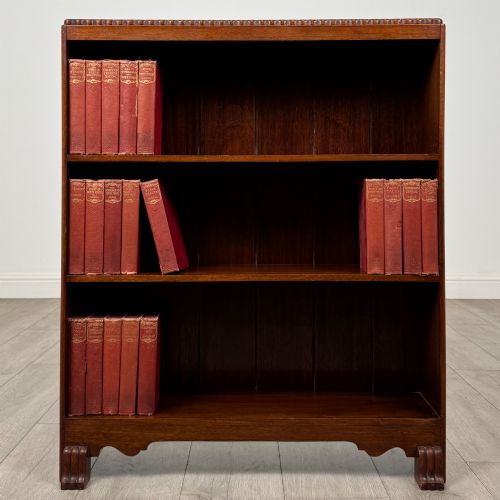
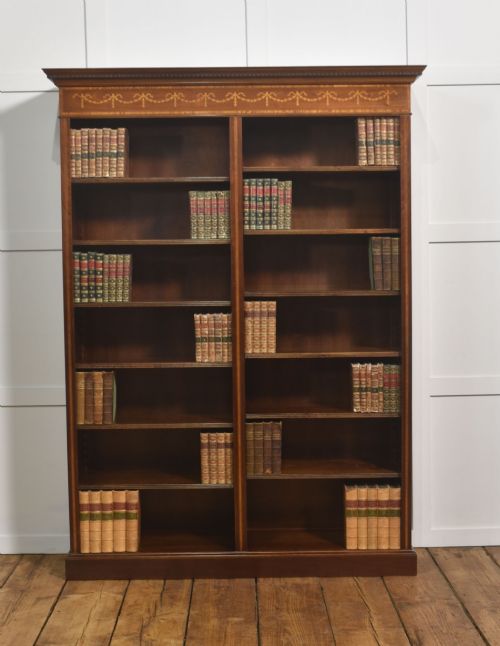
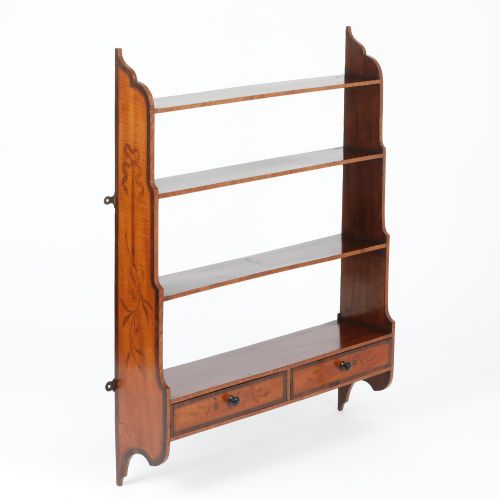
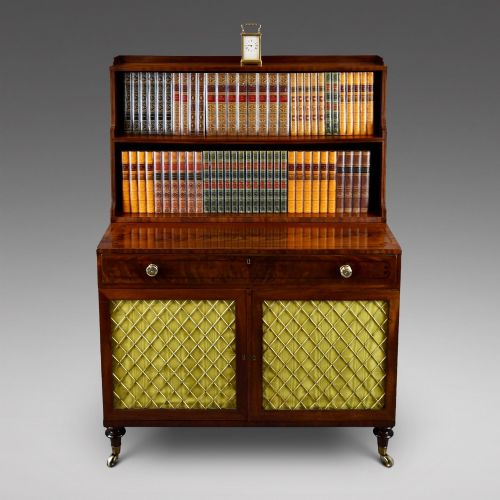
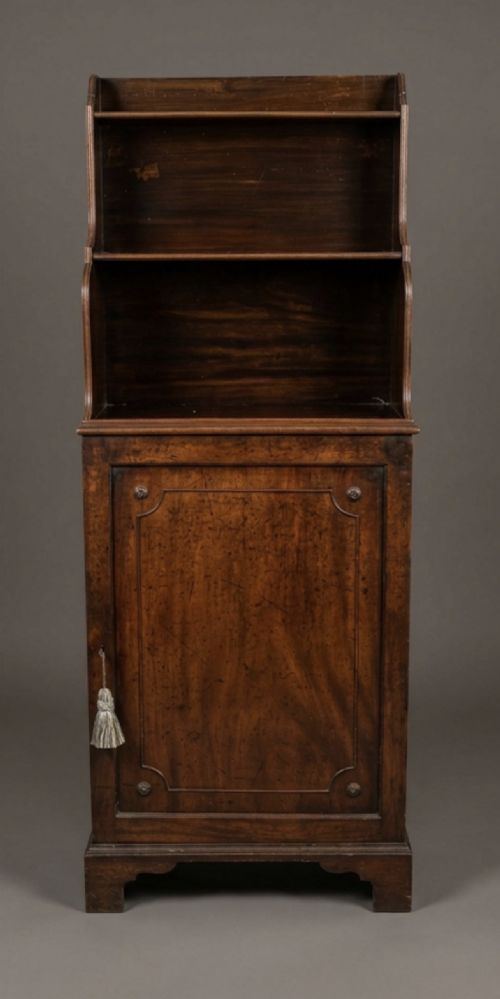
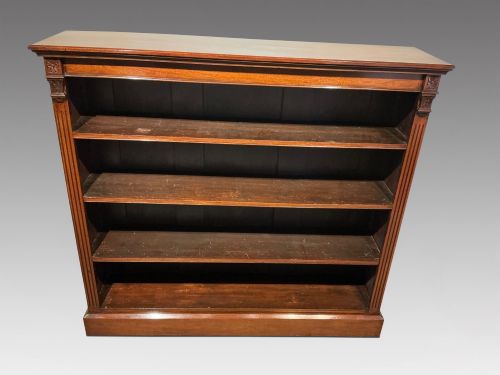
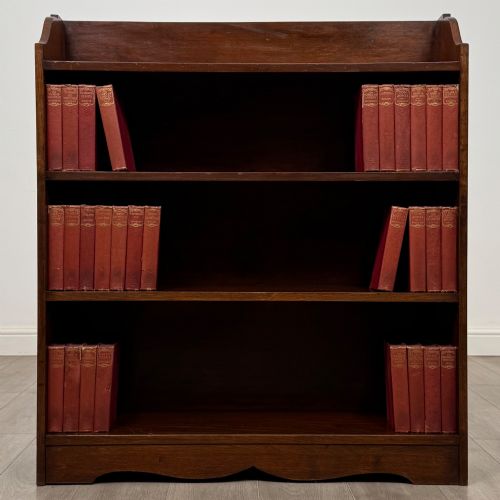
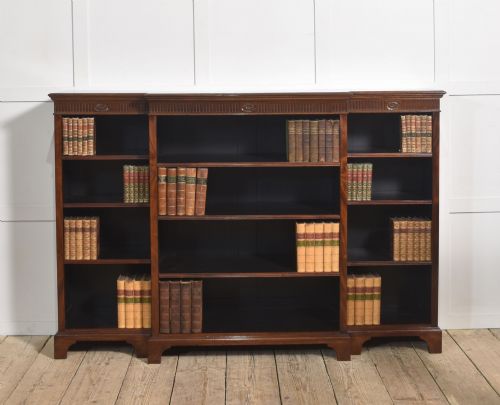
When you search for a georgian mahogany bookshelf, you are looking at sturdy timber furniture designed to hold libraries in domestic spaces. The pieces appearing here span compact hanging shelves, freestanding waterfall designs, and large breakfront library bookcases.
You will encounter pieces originating from the eighteenth century alongside later nineteenth-century interpretations and revival pieces. Many examples feature open shelving, while others combine low cupboards with upper tiers for varied storage needs.
Materials and Construction
Cabinet makers relied primarily on solid wood and timber veneers, selecting rich flame mahogany for decorative grain patterns. Selected pieces incorporate contrasting inlay work using lighter woods such as satinwood and boxwood.
Structural elements frequently utilise secondary timbers like pine for internal partitions and backs. Metal fittings appear in brass hardware, while some hanging shelves incorporate fabric elements.
Listings feature pieces spanning the Georgian, Regency, Victorian, and Edwardian periods, constructed primarily in mahogany with occasional satinwood and boxwood inlay.
Assessing Quality and Execution
The distinction between standard items and exceptional examples lies in the selection of the timber veneers and the crispness of the joinery. Superior pieces display carefully matched grain patterns across the breakfront facades and well-executed inlay details.
Proportion and structural integrity dictate the standing of a piece within its period. Refined mouldings, stable open shelves, and original backing timbers elevate the overall execution of the carpentry.
Waring and Gillows
The Georgian Mahogany Bookshelf Glossary
- Breakfront
- A piece of furniture where the central section projects forward from the flanking sides. This layout creates depth and visual rhythm in large library bookcases.
- Waterfall bookcase
- A set of open shelves that steps back progressively from the bottom to the top. The sides often follow this descending profile.
- Hanging shelves
- Wall-mounted shelving units designed to hold books or display plates. They save floor space while offering accessible storage.
- Satinwood
- A durable, yellowish timber often used for contrasting stringing and decorative inlay work. It highlights the darker tones of mahogany.
- Wellington base
- A heavy lower cabinet foundation supporting upper library shelving. It provides stability and enclosed storage for heavier volumes.
Georgian Mahogany Bookshelf: Frequently Asked Questions
How do I style a mahogany bookcase?
Place your georgian mahogany bookshelf against a neutral wall to let the rich grain and timber tones stand out clearly. Balance heavy volumes with decorative objects or smaller editions across the open shelves.
Ensure the room receives indirect natural light to protect the timber surface from fading over time. Keep the surrounding furniture sympathetic to period styles without overcrowding the display.
Are these bookcases suitable for heavy books?
Traditional library bookcases and freestanding open units are built from solid timber designed to support substantial weight. The thick mahogany shelves resist bowing under normal domestic loads.
Check the fixed or adjustable shelf supports to ensure they sit securely within the frame before loading heavy volumes. Distribute weighty folios across the lower tiers for maximum stability.
What is the difference between Georgian and revival styles?
Genuine Georgian pieces date from the eighteenth and early nineteenth centuries, displaying period-specific construction methods and patination. They carry the marks of contemporary tool use and ageing.
Revival pieces, such as those from the Edwardian era or later, emulate these earlier aesthetics using historical design vocabularies. They offer similar forms while reflecting the manufacturing standards of their own production period.
How should I care for mahogany timber?
Dust the surfaces regularly with a soft, dry cloth to prevent dirt accumulation in the grain and carved details. Avoid placing the timber near direct heat sources or in strong sunlight.
Apply a quality wax periodically to maintain the moisture and natural lustre of the wood. Refrain from using silicone-based polishes that can degrade the historic finish.