



Georgian Leather Wingback
Georgian leather wingback armchairs offer deep-seated comfort and draught-excluding wings, combining period character with practical warmth for any room.
Georgian Leather Wingback
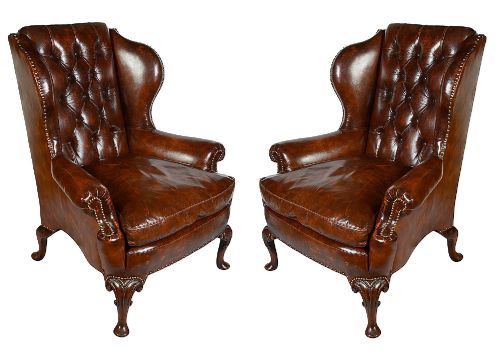
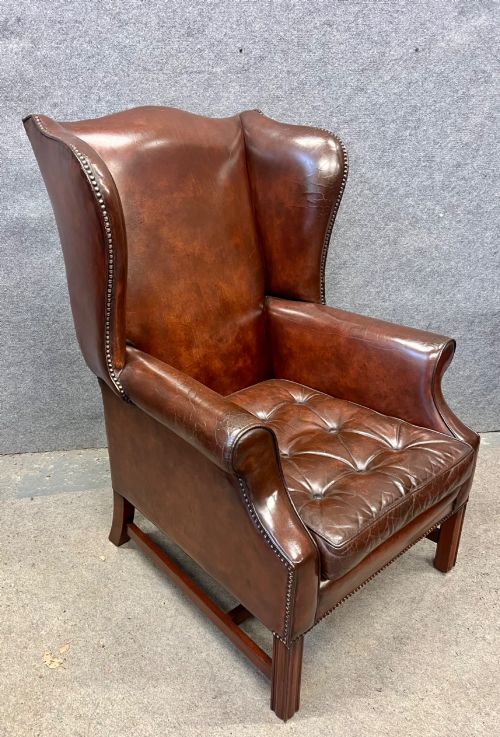
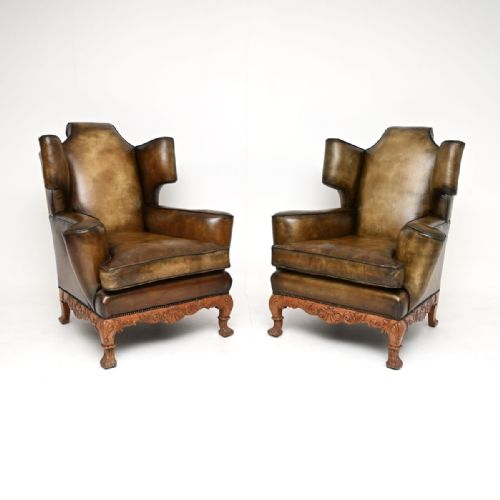
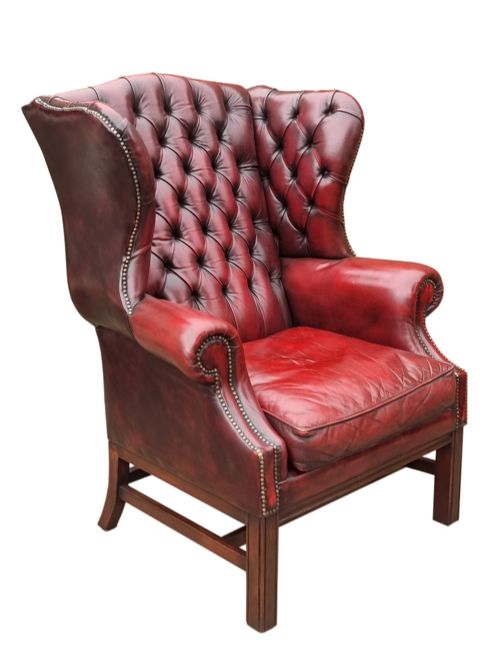
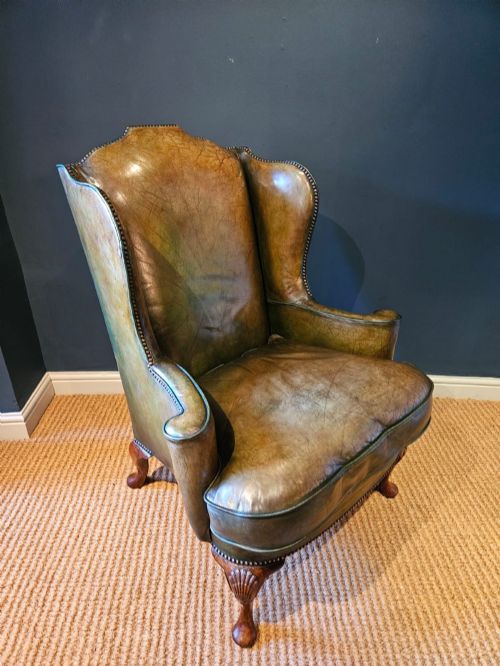
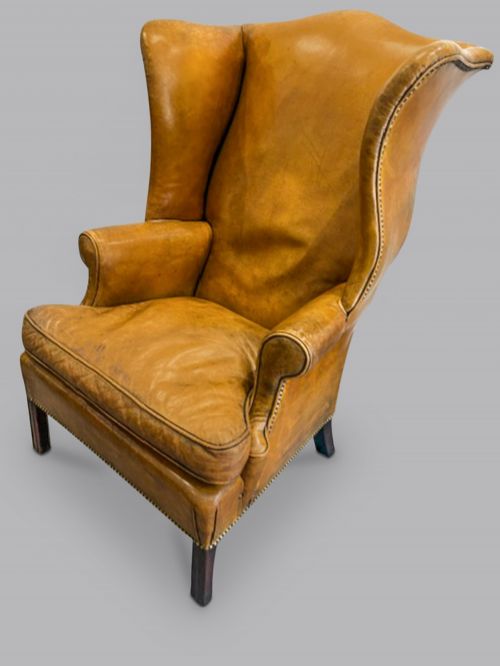
A georgian leather wingback is a high-backed upholstered armchair designed to shield the sitter from draughts, featuring distinctive side panels or wings attached to the arms. Buyers searching this phrase encounter examples ranging from authentic 18th century pieces to later revivals from the Edwardian period and the 1920s.
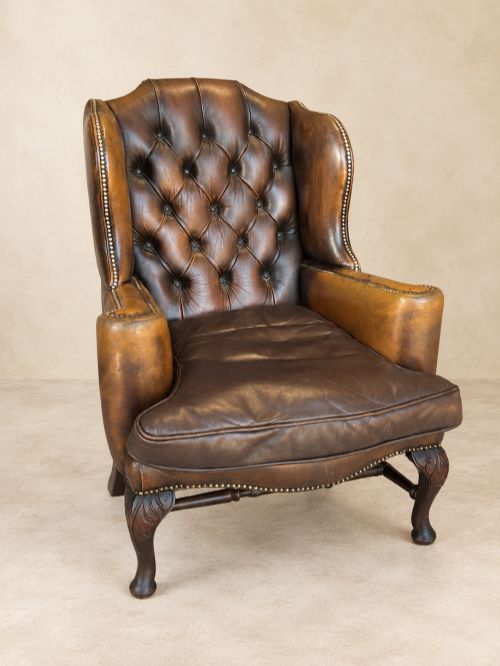
The form typically rests upon exposed wooden legs, which can be straight or carved in cabriole shapes, supporting a deep seat and a tall back. While true Georgian pieces date from the reigns of George II and George III, the selection includes significant numbers of later Georgian Revival interpretations produced in the early 20th century.
Materials and construction
These armchairs rely on sturdy timber frames constructed from mahogany, walnut, oak, or general hardwood, providing a rigid internal skeleton. Selected frames support traditional upholstery finished with leather coverings, frequently enhanced by brass detailing such as decorative tacks.
Leather hides are applied across the seat, back, and wings, sometimes featuring hand-dyed finishes, hand-colouring, or full buttoning techniques. The supporting woodwork often exhibits turned or cabriole leg forms shaped from dense timbers.
Georgian Leather Wingback Retail Price Guide 2026
Typical asking prices for georgian leather wingback among the pieces listed under this phrase on Sellingantiques today, from the lower quarter to the upper quarter. They describe what is for sale here now, not the wider market.
Listings span multiple eras from the 18th century through the Victorian period, Edwardian times, and 1920s revivals.
Assessing quality and craftsmanship
The distinction between standard examples and superior pieces rests upon the integrity of the frame timber, the depth of the carving on the legs, and the treatment of the leather. Finer models display carefully selected mahogany or walnut with well-proportioned cabriole legs and crisp detailing.
Leather quality and surface finish define the tactile appeal, with hand-dyed or hand-coloured hides offering richer patination than uniform modern treatments. Buttoning depth and the precision of the brass tack work further separate workshop standards across different periods.
The Georgian Leather Wingback Glossary
- Wingback
- An armchair style featuring extended side panels designed to trap heat and block room draughts around the sitter's head and shoulders. These protective flaps became popular during the Georgian era for fireside placement.
- Cabriole leg
- A furniture leg that curves out gracefully and then tapers inward, typically ending in a pad or claw foot. This form draws inspiration from animal limbs and frequently appears on walnut or mahogany frames.
- George III
- The British monarch reigning from 1760 to 1820, whose period encompasses some of the most sought-after proportions in traditional seating. Pieces from this era often utilise solid mahogany or walnut.
- Georgian Revival
- A decorative movement spanning the late 19th and early 20th centuries that reinterpreted earlier 18th-century forms. Makers during this time produced quality reproduction wing chairs using traditional materials.
- Buttoning
- An upholstery technique where leather is pulled deep into the padding and secured with matching or brass buttons to create a tufted surface. This method adds both structural tension and visual texture to the backrest.
Georgian Leather Wingback: Frequently Asked Questions
What is a georgian leather wingback used for?
These armchairs serve primarily as comfortable fireside seating designed to protect occupants from cold air currents in large rooms. The high back and wings trap body heat effectively while offering solid support for reading or resting.
In modern interiors, they function as statement pieces in studies, libraries, or living rooms, bringing traditional warmth and texture to the space.
How can I tell an 18th century piece from a revival?
Distinguishing original 18th-century pieces from 20th-century revivals involves examining the timber grain, construction joints, and overall wear patterns beneath the leather. Original pieces display period-specific hand tool marks and timber shrinkage consistent with centuries of age.
Revival pieces, such as those from the 1920s or Edwardian era, often utilise machine-sawn internal timbers while successfully imitating earlier George II or George III styles.
Are all these chairs made of solid mahogany?
Frame materials vary significantly across the available inventory, including walnut, oak, mahogany, and general hardwood or timber. While classic Georgian examples frequently use mahogany or walnut, later revival pieces incorporate alternative hardwoods.
Upholstery leather covers the visible framework, meaning timber types are generally observed on the exposed legs and undercarriage.
How do I care for antique leather upholstery?
Maintaining antique leather requires keeping the material away from direct heat sources and strong sunlight to prevent drying and cracking. Regular dusting with a soft, dry cloth preserves the surface.
Appropriate leather conditioners applied sparingly help maintain suppleness in older hides, particularly on pieces featuring hand-dyed or hand-coloured finishes.