





Georgian Lacquer Furniture
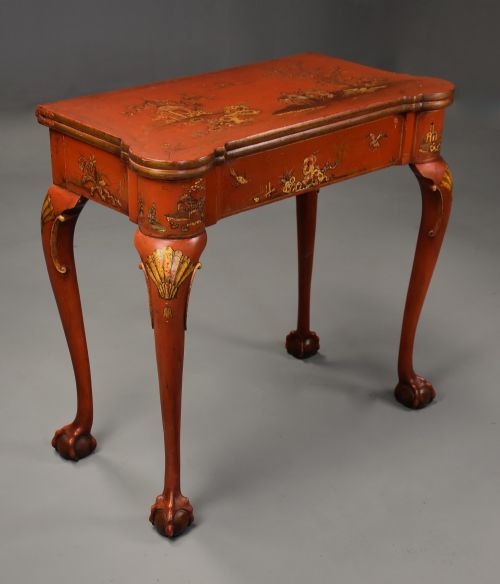
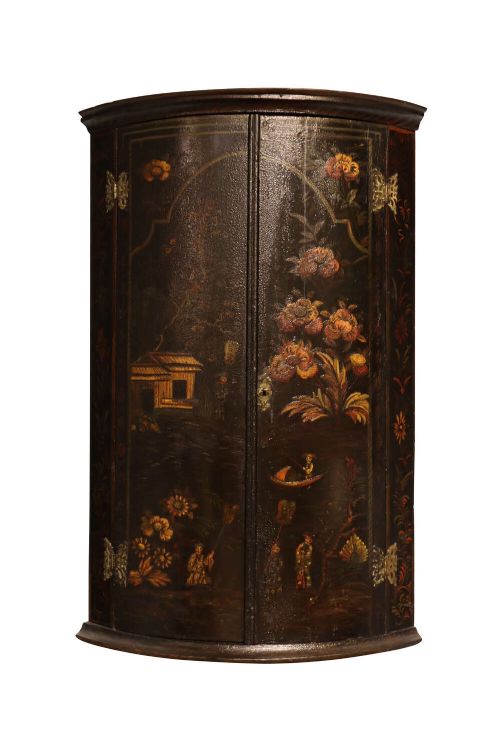
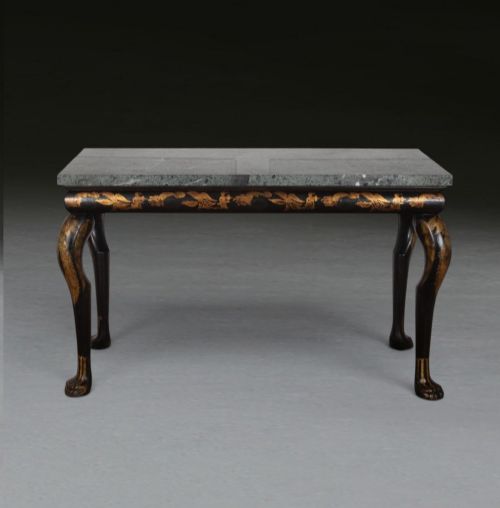
Georgian lacquer furniture brings hand-painted Chinoiserie and japanned finishes into a room, offering deep colour and gilt detail that catch the eye instantly.
Georgian Lacquer Furniture
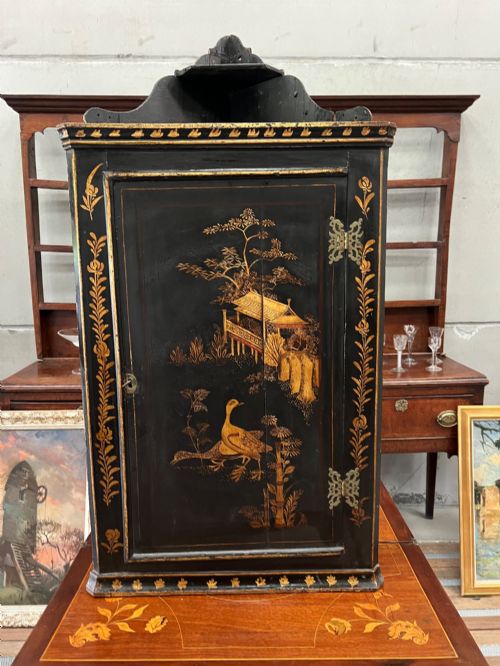
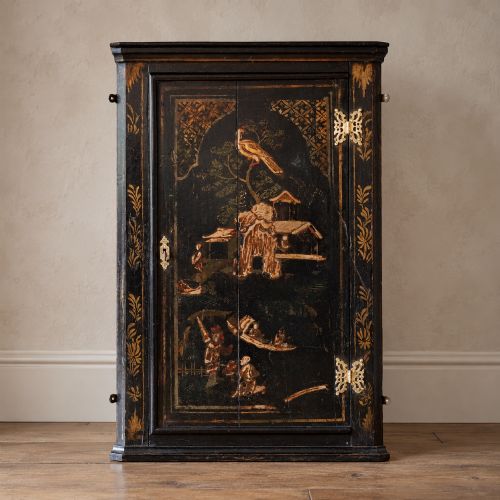
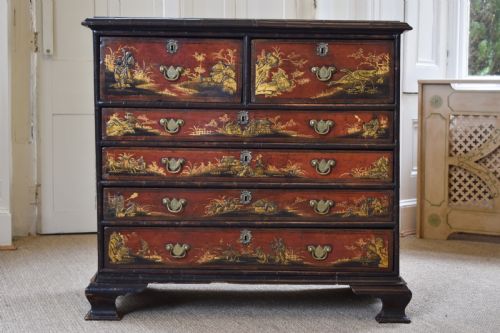
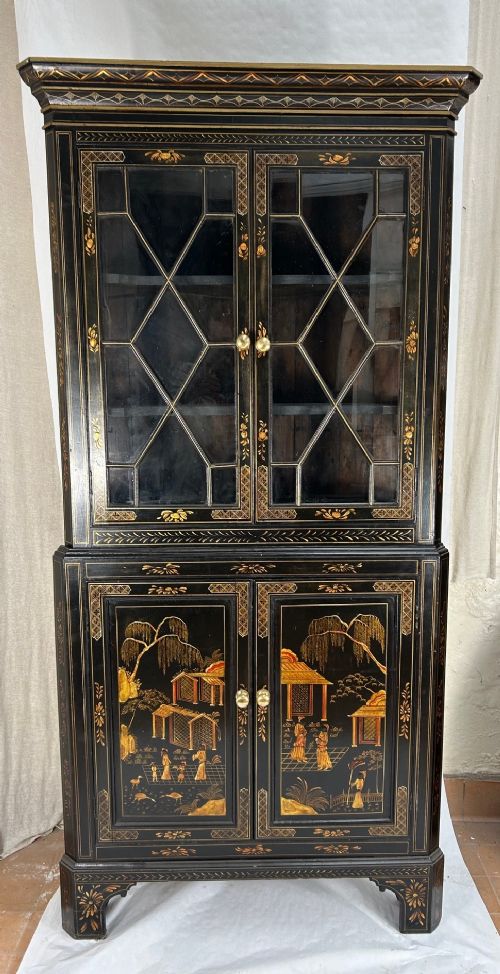
When you search for georgian lacquer furniture, you encounter pieces that span the eighteenth century as well as later Edwardian interpretations in the Chinoiserie and Queen Anne styles. The inventory on this page ranges from corner cabinets and bureau bookcases to dressing mirrors, side tables, and games tables constructed from wood, pine, and brass.
The most prevalent forms are corner cupboards and cabinets on stand, alongside writing bureaux and tilt top tables finished in black or red lacquer. These items bridge periods from the eighteenth century through the Regency era and into the early twentieth century, showing sustained interest in orientalised decoration.
How georgian lacquer furniture was made
Constructed primarily from wood and pine carcasses, these pieces utilise layered lacquer applications finished with gold leaf, paint, and gilt details. Craftsmen built surfaces to receive intricate oriental scenes, often employing pen-work decoration to delineate figures, pavilions, and flora.
Hardware such as brass hinges, escutcheons, and handles complement the polished lacquer and glass elements found on mirrors and cabinet doors. The integration of japanning techniques provided a durable, glossy surface that emulated imported East Asian wares.
Georgian Lacquer Furniture Retail Price Guide 2026
Typical asking prices for georgian lacquer furniture among the pieces listed under this phrase on Sellingantiques today, from the lower quarter to the upper quarter. They describe what is for sale here now, not the wider market.
Listings span the 18th Century, Regency, and Edwardian periods, featuring materials such as brass, glass, gold leaf, paint, and pine.
What varies in quality in georgian lacquer furniture
The depth of the lacquer finish and the precision of the gold leaf application distinguish superior examples from simpler pieces. Finer items display meticulous detailing in the Chinoiserie landscapes and figures, whereas standard pieces exhibit more repetitive or simplified motifs.
The choice of underlying timber and the crispness of the brass mounts also indicate the standard of manufacture. Original period pieces from the eighteenth century differ significantly in construction subtlety from Edwardian revivals.
The Georgian Lacquer Furniture Glossary
- Chinoiserie
- European decorative style reflecting Chinese artistic influences, featuring landscapes, figures, and pavilions rendered in paint and gold leaf.
- Japanning
- European imitation of East Asian lacquerwork, created by building up layers of varnish and resin embellished with metallic dust or paint.
- Bureau bookcase
- Writing cabinet featuring a sloping desk flap below enclosed shelving or cabinet doors, often decorated with lacquer panels.
- Tilt top table
- Small table with a mechanism allowing the tabletop to pivot into a vertical position when not in use.
- Pen-work
- Decorative technique using fine ink lines to create intricate monochrome designs resembling engravings on wood surfaces.
Georgian Lacquer Furniture: Frequently Asked Questions
What is georgian lacquer furniture?
Georgian lacquer furniture comprises wooden items finished with glossy japanned surfaces and gilt Chinoiserie motifs. These pieces include cabinets, desks, and tables.
The aesthetic draws on seventeenth and eighteenth-century appreciation for Asian decorative arts, adapted by European cabinetmakers through successive periods like the Regency and Edwardian eras.
How do I style a lacquered corner cupboard?
A lacquered corner cupboard works well in a reception room or dining space where its reflective surface and gilt details can catch ambient light. It functions both as storage and as a focal point.
Because the red or black lacquer provides strong visual weight, pairing the piece with neutral walls allows the intricate painted scenes to stand out properly.
Are these pieces from the eighteenth century?
The selection includes genuine eighteenth-century items alongside Regency works and later Edwardian interpretations made in earlier styles. Each piece reflects the aesthetic preferences of its specific period of manufacture.
Examining the construction materials, hardware, and underlying timber helps determine whether a piece originates from the Georgian period or a later revival.
What is the difference between lacquer and japanning?
Traditional Asian lacquer uses sap from the lacquer tree, whereas European japanning relies on layers of shellac, varnish, and paint applied to a wooden base. Both techniques produce a hard, polished finish.
In British cabinetmaking, japanning became the standard method for achieving orientalised surfaces adorned with raised gilt motifs and painted figures.