

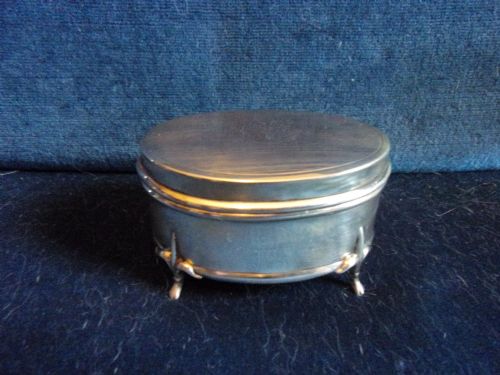


Georgian Keepsake Jewellery
Georgian keepsake jewellery boxes and caskets combine exquisite timbers and intricate decorative work to safeguard personal treasures.
Georgian Keepsake Jewellery
When you search for georgian keepsake jewellery, you encounter a selection of wooden boxes and caskets designed to hold personal treasures, letters, and small valuables. These items span periods including the Georgian era, Regency, and the early nineteenth century, reflecting the tastes of fashionable households.
The objects take forms such as table top jewellery chests, sewing boxes, document caskets, and specialised penwork containers. Many examples utilise exotic timbers and distinct decorative schemes like Chinoiserie lacquer and intricate inlay.
Most pieces date from the late eighteenth century through the early decades of the nineteenth century, showing craftsmanship associated with the Georgian and Regency periods. The selection ranges from plain mahogany storage to elaborate tortoiseshell and coromandel cases.
Materials and construction methods
Cabinet makers built these boxes using solid woods and decorative veneers, selecting species such as flame mahogany, rosewood, yew, boxwood, and calamander. Exotic additions like coromandel and tortoiseshell appear on finer examples from the Regency period.
Surface ornamentation involved specialised techniques including penwork decoration, parquetry inlay, and yellow lacquer Chinoiserie finishes. Metal components such as brass mounts, claw and ball feet, and rosette fixtures were frequently incorporated to elevate the design.
Georgian Keepsake Jewellery Retail Price Guide 2026
Typical asking prices for georgian keepsake jewellery among the pieces listed under this phrase on Sellingantiques today, from the lower quarter to the upper quarter. They describe what is for sale here now, not the wider market.
Listings feature Regency boxes in rosewood, yew, and mahogany, alongside rarer materials like tortoiseshell and coromandel.
Distinguishing quality in period boxes
The grade of a piece rests upon the choice of timber and the precision of its veneer work, where figured flame mahogany or burr yew commands attention. Finer examples display meticulous parquetry and penwork details executed with exceptional crispness.
Internal arrangements and hardware also differentiate the pieces, with well-preserved compartments, original brass mounts, and delicate feet indicating superior workshops. The survival of original surface finishes and specialised decorative schemes determines the integrity of each item.
The Georgian Keepsake Jewellery Glossary
- Penwork
- A decorative technique using fine ink drawing on wood, often finished with varnish to create intricate monochrome scenes or geometric borders. This method was particularly popular during the Regency period for decorating small boxes.
- Parquetry
- A geometric mosaic of wood veneers arranged in repeating patterns to form decorative surfaces on boxes and caskets. Craftsmen utilised contrasting timbers to achieve striking visual depth.
- Chinoiserie
- European artistic interpretations of Chinese and East Asian motifs, rendered here in yellow lacquer and painted designs. This style appeared on fashionable decorative boxes throughout the Georgian era.
- Calamander
- A dense, heavily figured hardwood with dark brown and light stripes, prized by cabinet makers for luxury nineteenth-century cases. It provides a striking alternative to standard rosewood and mahogany.
- Tortoiseshell
- Material sourced from the shell of certain turtle species, applied as a polished veneer over a prepared ground to catch the light. It signifies high-status luxury objects from the Regency period.
Georgian Keepsake Jewellery: Frequently Asked Questions
What are Georgian keepsake boxes made of?
These boxes are constructed from a variety of native and exotic woods, including mahogany, rosewood, yew, satinwood, and calamander. Makers also incorporated specialist materials such as tortoiseshell, brass mounts, and lacquer finishes.
Finer examples utilise highly figured veneers and decorative techniques like penwork to achieve their distinctive appearance.
Were these boxes used only for jewellery?
While many served as ladies' table top jewellery chests, the category includes receptacles designed for documents, sewing accessories, games, and stationery. Interiors frequently feature partitioned trays and compartments tailored to specific domestic uses.
Collectors encounter multipurpose caskets alongside dedicated keepsake and finery boxes from the same period.
How should I care for antique wood boxes?
Maintain these pieces in stable environmental conditions away from direct sunlight and excessive humidity to protect delicate veneers and lacquer. Gentle dusting with a dry cloth preserves the original surface finish.
Avoid using modern chemical polishes, which can damage historic wood finishes and penwork details over time.