



Georgian Inlaid Lamp Table
A georgian inlaid lamp table brings proportion, polished timber and subtle marquetry to an interior, functioning today much as it did centuries ago.
Georgian Inlaid Lamp Table
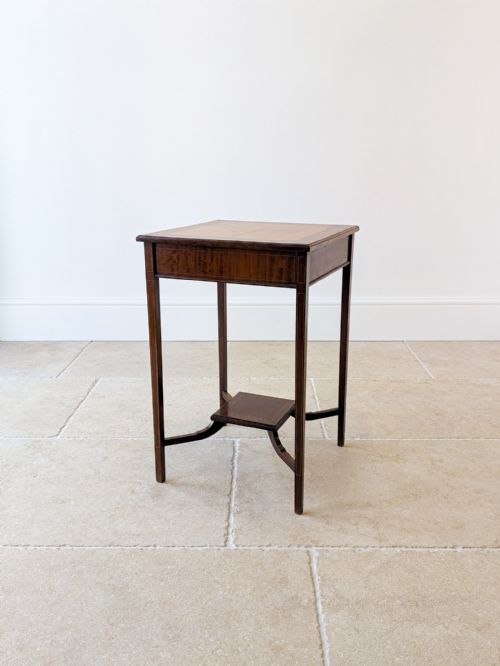
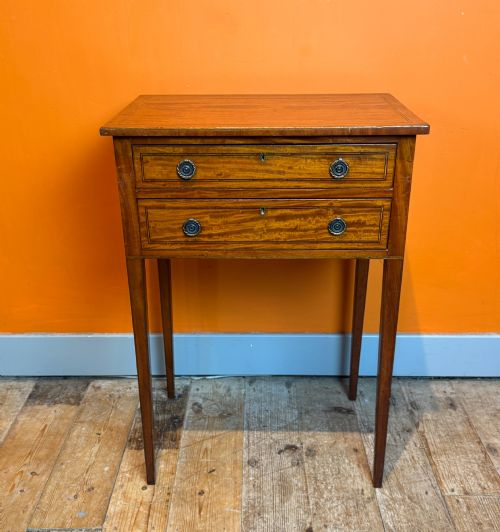
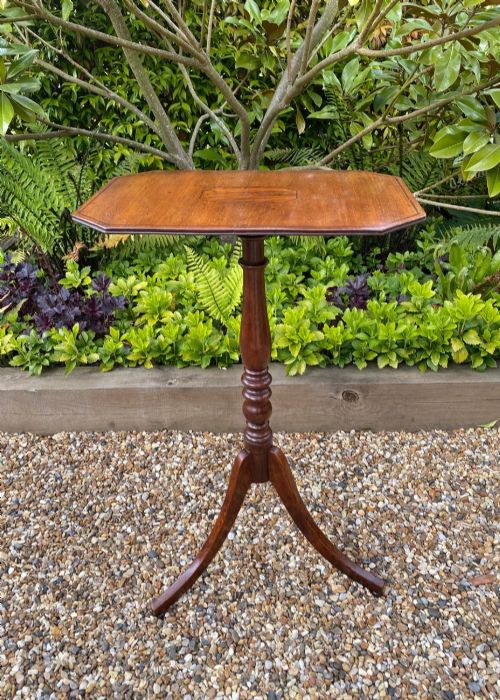
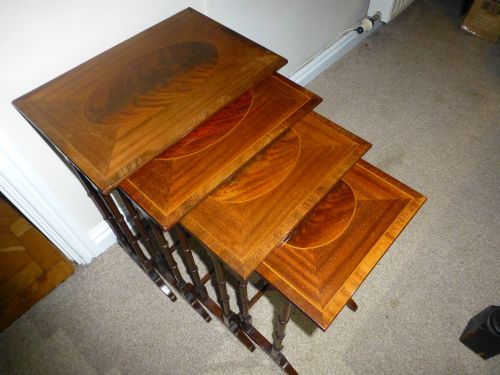
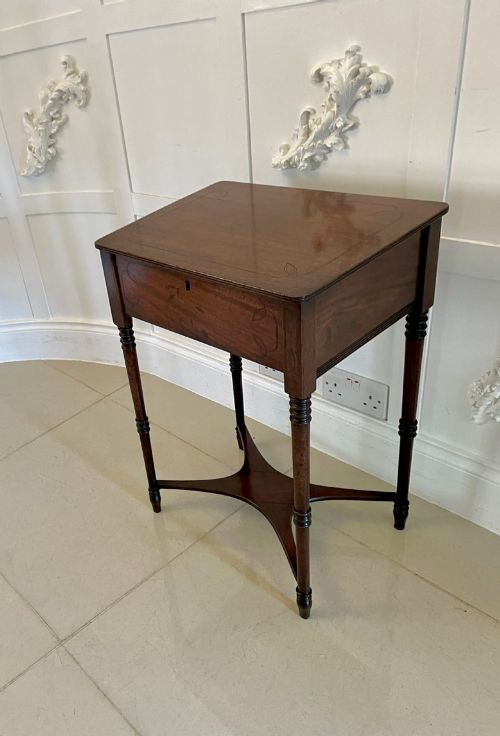
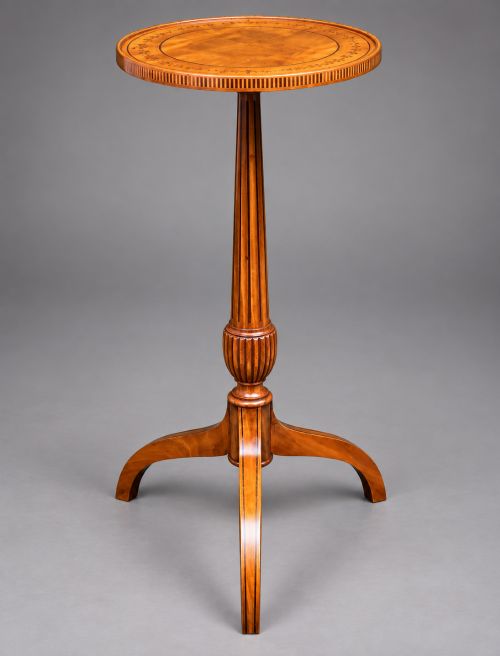
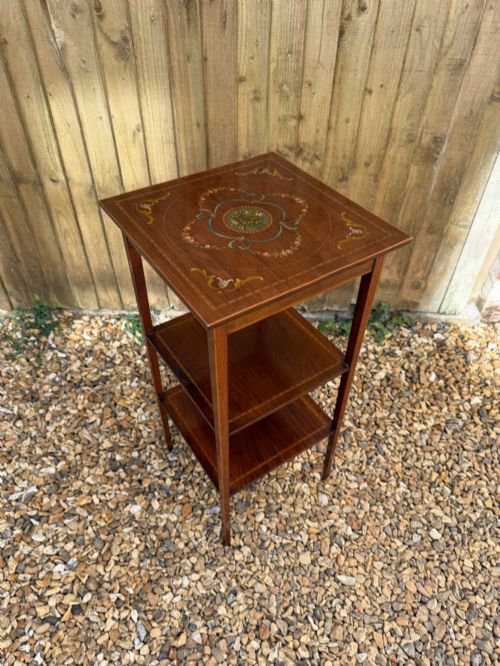
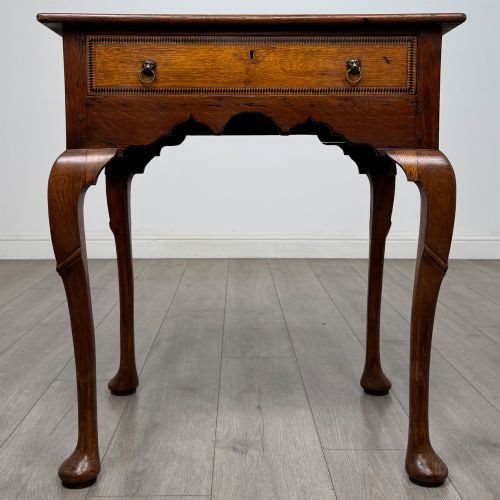
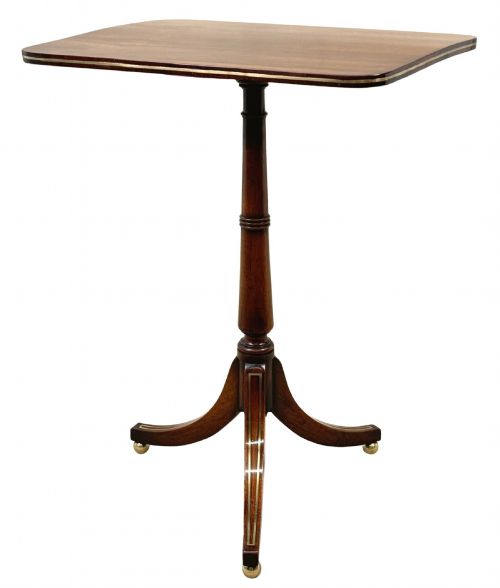
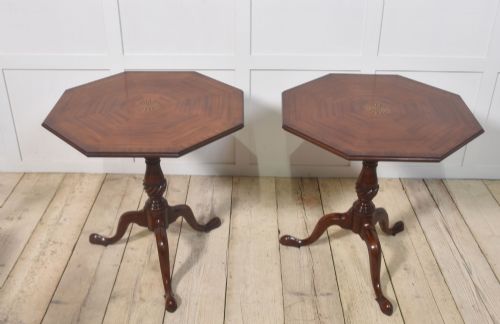
A georgian inlaid lamp table encompasses small occasional, wine, side, and Pembroke forms designed to hold lighting and small items within a room. The items listed here span periods from the eighteenth century through the Regency era to later Edwardian revivals, offering compact timber surfaces decorated with contrasting veneers.
Makers and cabinetmakers produced these versatile pieces in mahogany, rosewood, satinwood, and oak, often mounting them on tripod bases, pedestals, or four-legged frames. Buyers will encounter drop-leaf mechanisms, galleried tops, and multi-drawer bedside variations across the selection.
How they were made
Cabinetmakers utilised solid timbers such as mahogany, oak, and walnut for structural stability, applying fine veneers of satinwood, rosewood, and cherry to create contrasting geometric or floral patterns. Inlay techniques incorporated boxwood and ebony lines alongside pictorial marquetry.
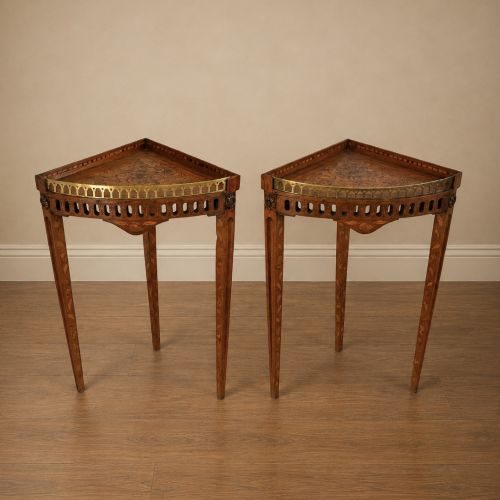
Metal elements such as brass galleries, drop handles, and brass stringing provide functional highlights and decorative borders. Construction methods rely on traditional joinery, turning for pedestal shafts, and tilt-top mechanisms where appropriate.
Georgian Inlaid Lamp Table Retail Price Guide 2026
Typical asking prices for georgian inlaid lamp table among the pieces listed under this phrase on Sellingantiques today, from the lower quarter to the upper quarter. They describe what is for sale here now, not the wider market.
Some nineteenth-century tables feature trompe l'oeil surfaces, playfully tricking the eye into seeing objects that are entirely flat.
What varies in quality
Quality separates pieces through the crispness of the timber inlay, the choice of figured grain in the primary wood, and the subtlety of brass stringing or brass gallery work. Superior examples demonstrate precise marquetry and well-balanced proportions across tripod or pedestal supports.
The sophistication of the secondary woods, the integrity of structural joints, and the preservation of original patination distinguish workshop production from later revival interpretations.
The Georgian Inlaid Lamp Table Glossary
- Marquetry
- The art of forming decorative patterns on a wooden surface by fitting together veneers of different woods, metals, or shells. This technique creates complex pictorial or geometric motifs on table tops.
- Stringing
- A narrow strip of contrasting wood or brass inlaid into a channel cut into the surface of a piece of furniture. It typically outlines table edges and drawer fronts.
- Pembroke table
- A small rectangular table with hinged drop leaves on two opposing sides. It often includes one or two drawers and slender legs.
- Tripod table
- A small freestanding table supported by a pillar above three spreading legs. They appear frequently in wine table and occasional formats.
- Brass gallery
- A decorative openwork metal railing fitted around the perimeter of a table top. It prevents objects from sliding off.
Georgian Inlaid Lamp Table: Frequently Asked Questions
What is a georgian inlaid lamp table used for?
These tables served historically as movable stands for lighting, sewing implements, or drinks beside seating areas. Today they function effectively beside armchairs or beds to hold lamps and small decorative objects.
Their compact footprints make them adaptable for placement in hallways, corners, or drawing rooms without dominating the floor space.
How do I identify a Regency period piece?
Regency pieces often display bold rosewood veneers accompanied by distinctive brass stringing, brass inlay, or brass gallery rails. The forms lean towards classical architectural lines and occasional exotic wood usage.
Comparing the secondary timbers and the specific style of brasswork helps distinguish these early nineteenth-century examples from later Edwardian revivals.
What woods were used for these tables?
Primary woods commonly include mahogany, rosewood, and oak, providing a strong structural carcase. Lighter timbers such as satinwood and cherry provided contrast for decorative table tops.
Inlays frequently utilised boxwood and ebony lines to frame the central field of the timber.
How do I care for an antique inlaid table?
Maintain stable indoor humidity levels and keep wooden tables away from direct heat sources and strong sunlight to prevent veneer lifting and fading. Regular dusting with a soft, dry cloth preserves the finish.
Applying occasional appropriate wax polish helps nourish the historic timber surfaces without building up heavy residues.