
Georgian Historical Artwork
Georgian historical artwork encompasses painted portraits, prints, and drawings documenting figures and events of the eighteenth and early nineteenth centuries.
Georgian Historical Artwork
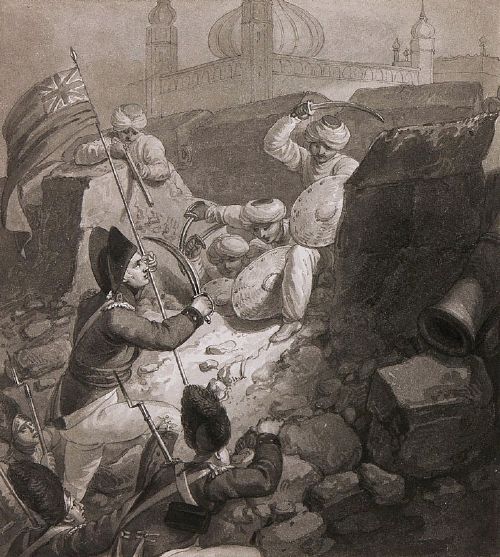
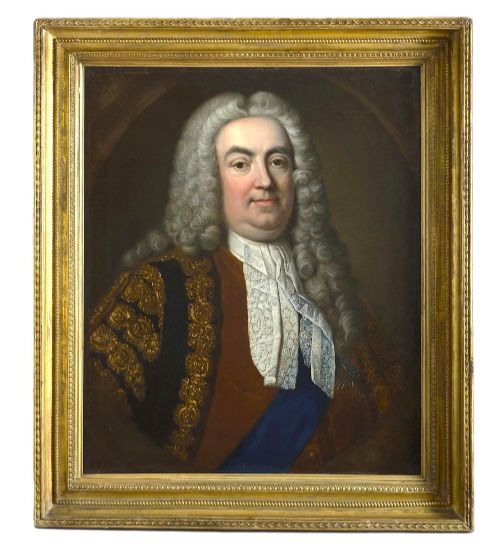
Georgian historical artwork centres heavily on portraiture and narrative prints recording notable individuals, military scenes, and political allegories. These pieces originate predominantly from the eighteenth century, the Regency era, and the early nineteenth century.
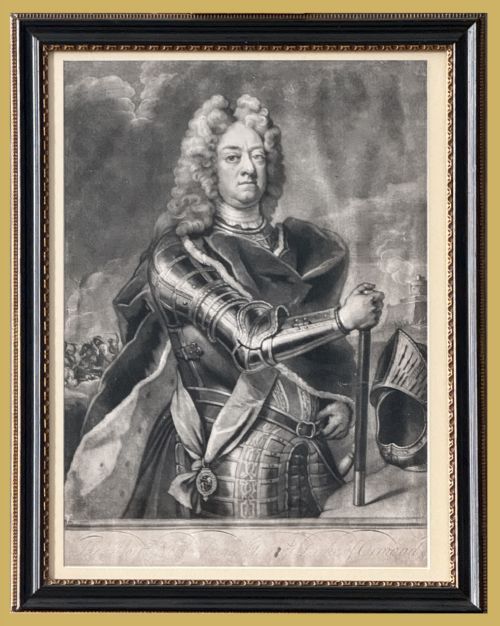
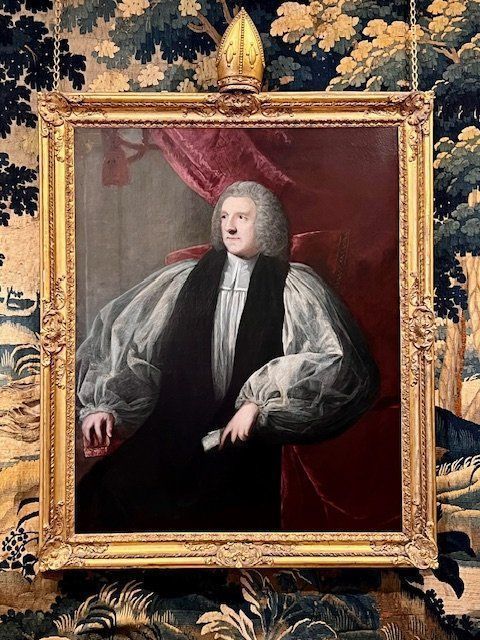
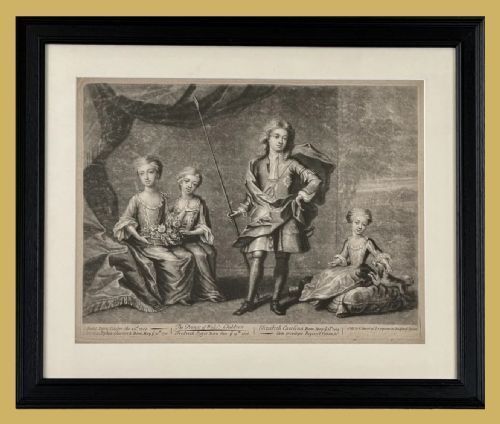
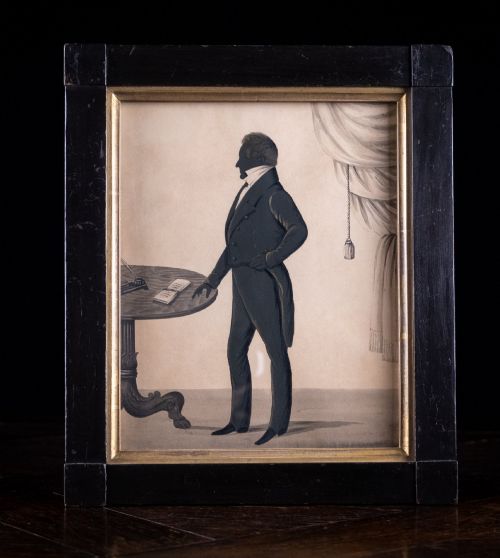
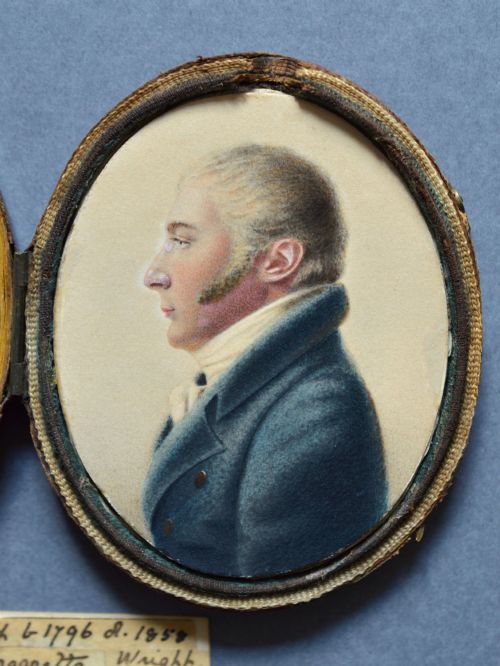
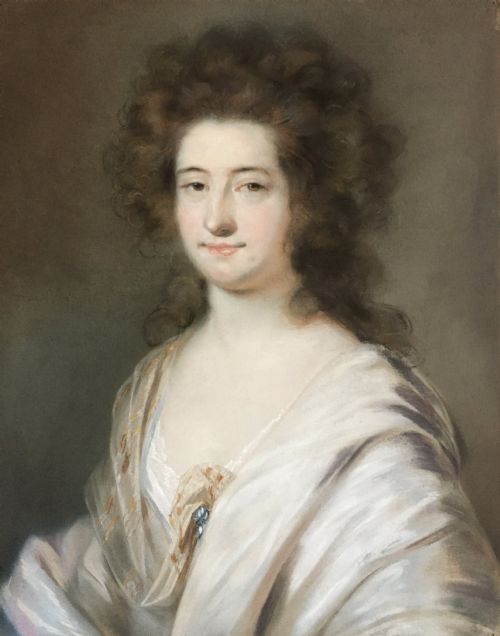
Buyers encounter oil paintings on canvas, mezzotints, copperplate engravings, watercolours, and silhouettes. Works often depict specific historical personages, actors, clergymen, and domestic or naval scenes from the period.
How they were made
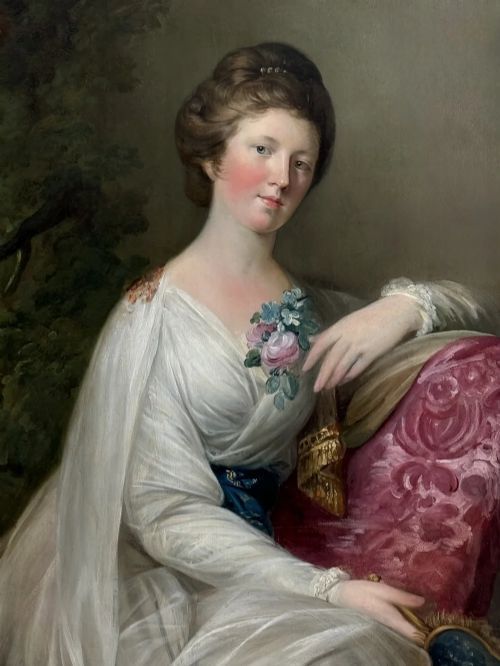
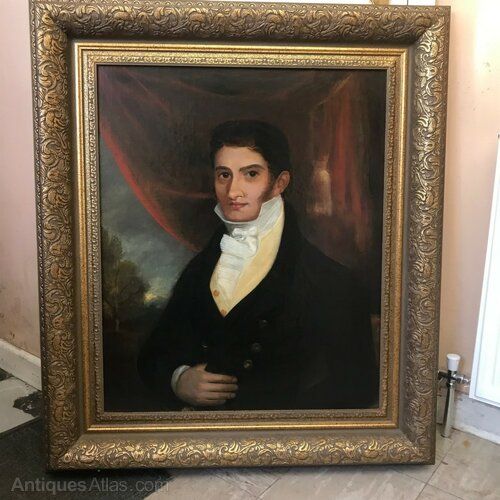
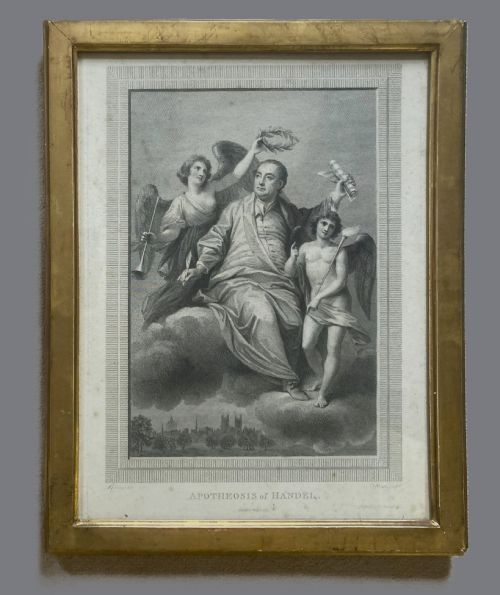
Makers utilised oil on canvas alongside paper for drawings, watercolours, and gouache. Printmakers employed copper plates to produce line engravings and mezzotints, often working after paintings by prominent artists.
Frames typically incorporate wood and giltwood to house these paintings, engravings, and silhouettes. Materials such as ink and pastel appear frequently in works on paper from the Regency period.
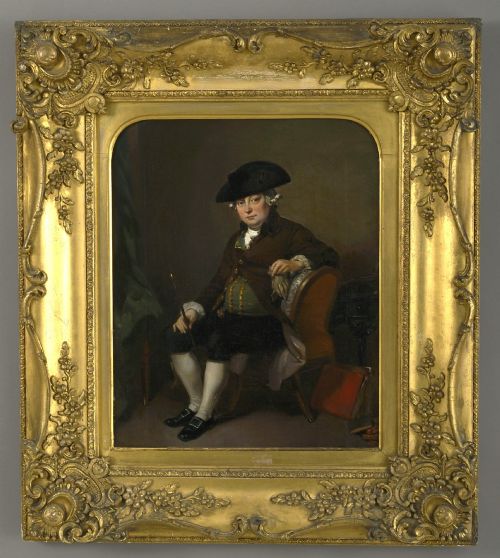
An eighteenth-century auctioneer captured in oil reminds buyers that public salesmanship has entertained British crowds for centuries.
What varies in quality
Quality rests upon the skill of the artist or engraver and the directness of the connection to the original sitter or event. Studio pieces and works by followers differ from prime signed works by established painters and master printmakers.
The condition of the paper, canvas, and framing contributes to the integrity of each piece. Crisp impressions in engravings and well-preserved pigment in oils and pastels distinguish superior examples.
John Simon·Sir Joshua Reynolds·George Willison·James Heath·Thomas Watson·William Marshall Craig·Jean Baptiste Van Loo·Augustin Edouart·Jacobus Houbraken·William Hogarth·Sir George Watson·John Hamilton Mortimer·Nicolas De Largilliere
The Georgian Historical Artwork Glossary
- Mezzotint
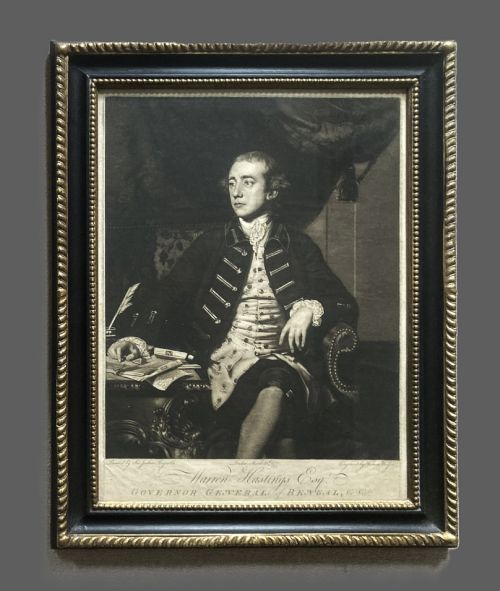
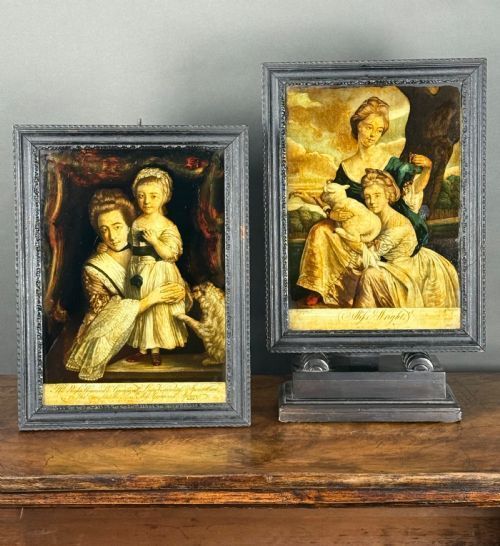
- A printmaking process of the tonal method, enabling smooth gradations of light and shade. This technique was widely used for reproducing oil portraits.
- Engraving
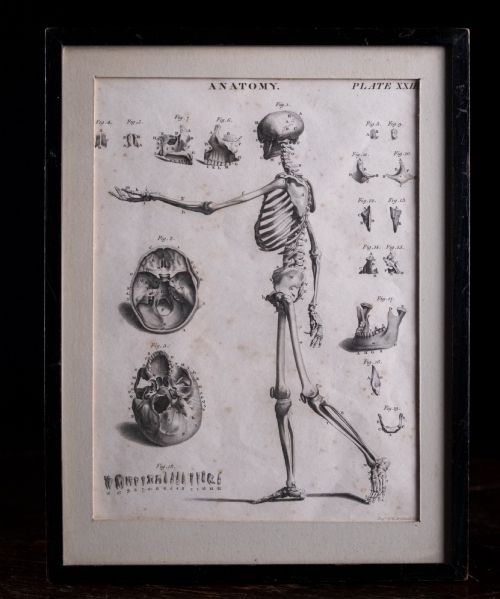
- A method of cutting a design into a copper plate to hold ink for printing. Multiple crisp impressions can be pulled from a single plate.
- Giltwood
- Wood carved and covered with a thin layer of gold leaf. It forms the decorative surface of traditional picture frames.
- Silhouette
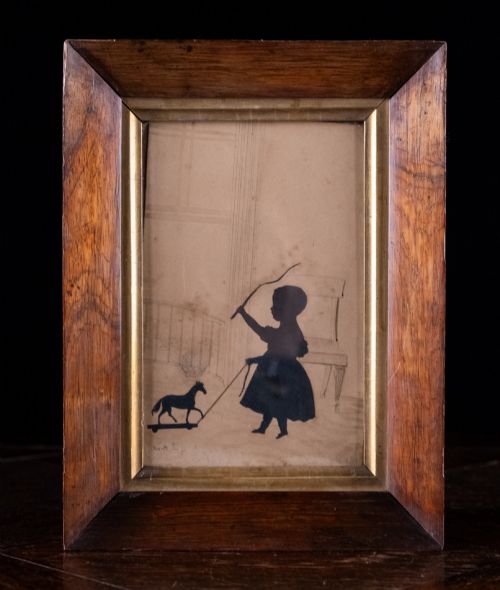
- A solid shape of a person's profile, usually cut from black paper or painted on card or glass. These portable likenesses were popular during the Regency period.
- Pastel
- A dry medium of powdered pigment and a binder, used for coloured drawings. Works on paper require glazing to protect the delicate chalk surface.
Georgian Historical Artwork: Frequently Asked Questions
What subjects appear in Georgian historical artwork?
These works record prominent political figures, military commanders, clergymen, and everyday citizens of the eighteenth and nineteenth centuries.
Subjects also include theatrical characters, naval battles, political allegories, and social satires.
How do mezzotints differ from line engravings?
Mezzotints build up rich tones and shadows through a roughened copper plate, producing velvety dark areas.
Line engravings rely on precise incised lines to map out an image with crisp outlines and fine hatching.
How should paper artworks from this period be displayed?
Works on paper such as engravings, watercolours, and silhouettes require framing behind protective glass to shield them from dust and physical handling.
Placement away from direct sunlight prevents fading in older watercolours, inks, and pastel pigments.
Are these pieces original or later copies?
The selection includes original period oil paintings, contemporary drawings, and copperplate engravings printed during the eighteenth and nineteenth centuries.
Many prints record famous paintings by artists like Sir Joshua Reynolds or Sir Godfrey Kneller.