


Georgian Highback Chair
A georgian highback chair delivers architectural form and fireside comfort, uniting period presence with enduring seating utility.
Georgian Highback Chair
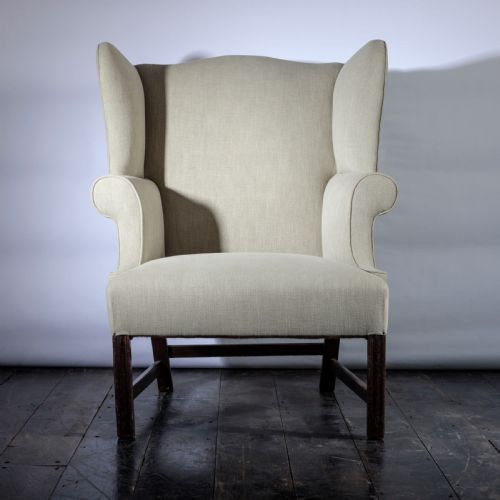
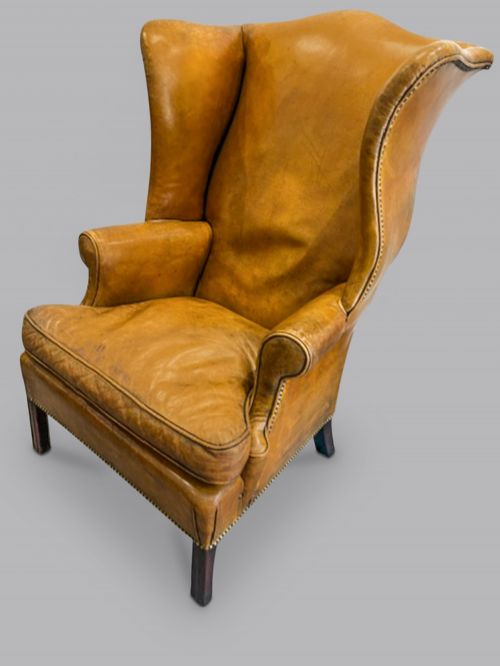
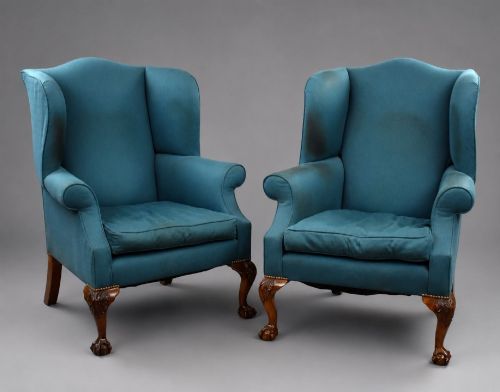
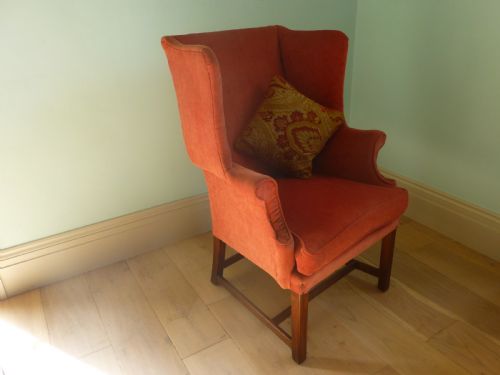
When you search for a georgian highback chair, you encounter a distinct lineage of seating spanning formal upholstered wingchairs designed to block draughts and tall wooden dining seats. The pieces on this page include genuine 18th century examples alongside later revivals from the 19th and early 20th centuries.
The selection ranges from early George III mahogany wing armchairs and 18th century wingchairs to sets of highback dining chairs in oak and mahogany, plus regional Windsor forms in yew wood. Armchairs dominate the offerings, often accompanied by matching sets designed for the dining room.
Materials and construction
Cabinetmakers utilised durable hardwoods including mahogany, oak, yew, elm, and beech to construct robust frames capable of supporting upright backs and extended wings. Timber selection dictated both the structural integrity and the visual grain of each piece.
Upholstered forms incorporated traditional stuffing covered in materials such as leather, calico, fabric, and modern chenille twill, while wooden Windsor chairs relied on pegged spindle construction.
Listings span the 18th century through the early 20th century, featuring mahogany, oak, yew, elm, and beech timbers.
Distinctions in quality
The primary distinction lies in the integrity of the original timber frame and the fidelity of the proportions, particularly the sweep of the arms and the rake of the back. Period examples exhibit hand-cut joinery and aged patina that later revivals attempt to emulate.
Upholstered variants differ in the preservation of internal stuffing methods and the quality of the covering materials, ranging from aged leather to replacement fabric.
The Georgian Highback Chair Glossary
- Wingback
- An armchair featuring side panels attached to the arms to shield the sitter from draughts. These upholstered forms define many traditional fireside seats.
- Windsor
- A wooden chair constructed with a solid sculpted seat into which the legs and back spindles are wedged directly. Regional variations often utilise yew wood.
- George III
- The period spanning the reign of George the Third, known for refined cabinetmaking and classical proportions in furniture design. Pieces from this era hold significant collector interest.
- Chenille twill
- A textured woven fabric utilised for modern or replacement upholstery on period chairs. It provides a soft surface finish.
Georgian Highback Chair: Frequently Asked Questions
What is a georgian highback chair?
A georgian highback chair refers to tall-backed seating originating from the 18th century or later revivals, encompassing both upholstered fireside wingchairs and wooden dining chairs.
These pieces were constructed by period cabinetmakers using timbers like mahogany, oak, and yew wood to provide substantial back support and presence.
How do I spot an 18th century piece?
Identifying an 18th century piece involves examining the hand-cut joinery, timber ageing, and structural wear inherent in genuine period furniture.
Comparing construction methods against later 19th and 20th century revivals helps clarify the actual age of the frame.
Where were these chairs used?
Upholstered wingchairs were traditionally placed beside fireplaces in reception rooms to protect occupants from cold draughts. Dining chairs were made for formal tables.
The tall backs of these seats served both functional comfort and decorative display in period interiors.
How should I care for leather upholstery?
Leather-upholstered chairs require periodic conditioning to maintain suppleness and prevent the natural material from drying out over time. Keeping them away from direct heat sources preserves the surface.
Gentle dusting maintains the finish without damaging the aged texture of the hide.