


Georgian Highback Armchair
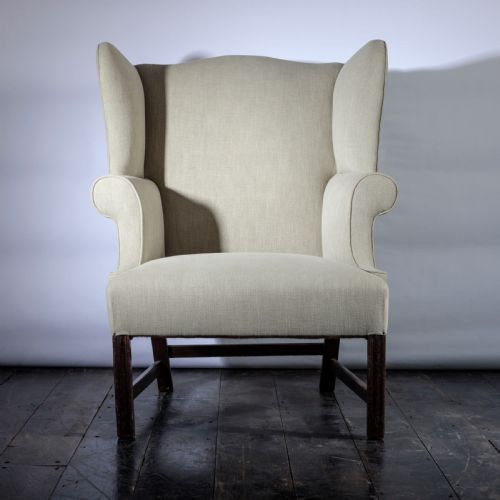
A georgian highback armchair offers deep winged comfort and upright support, built for warmth beside the fireplace.
Georgian Highback Armchair
When you search for a georgian highback armchair, you are looking at substantial seating designed to keep draughts away from the head and shoulders. These pieces span the eighteenth and nineteenth centuries, alongside later revival interpretations.
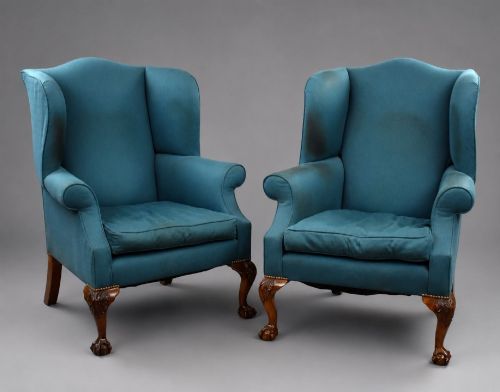
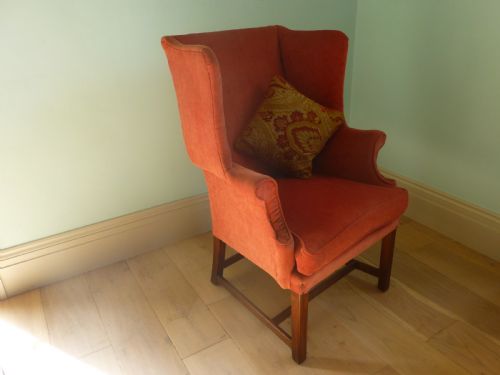
The most common form on this page is the wing armchair, featuring prominent side panels or wings attached to high padded backs. You will also encounter highback Windsor chairs constructed entirely of timber without upholstery.
Origins range from eighteenth century workshops through to nineteenth century British examples and nineteen-twenties reproductions. Makers utilised sturdy frames to support heavy padding and extensive textile coverings.
How they were made
Frames rely on dense timbers such as mahogany, elm, and yew wood, providing the rigid skeletal structure necessary for high-backed seating. Joinery techniques secure the upright posts and legs to bear substantial weight over centuries of use.
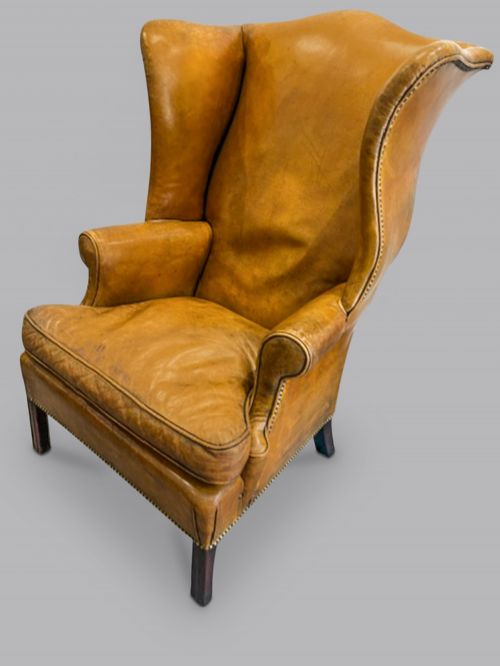
Upholstered versions incorporate traditional stuffing held by fabric layers, calico, leather, or velvet, fixed with brass tacks. Windsor variations shape solid timber seats and spindles to form rigid, unpadded high backs.
Listings feature periods spanning the 18th Century, 19th Century, Georgian era, and 1920.
What varies in quality
The integrity of the underlying timber frame dictates the longevity and structural soundness of each chair. Original eighteenth century woodwork displays finer proportions and tighter joinery than later nineteenth century or revival pieces.
Upholstery materials range from simple calico and basic fabric to heavy leather, velvet, and chenille twill. Chairs retaining early upholstery components or utilising superior hide demonstrate higher grade original craftsmanship.
The Georgian Highback Armchair Glossary
- Wingback
- An armchair style featuring projecting side panels designed to shield the occupant from cold draughts. These wings frame the upholstered backrest.
- Windsor chair
- A wooden seating form constructed with sticks inserted into a solid sculpted seat rather than using a joined frame. Highback versions extend this spindle arrangement far above the sitter's head.
- Chenille twill
- A textured woven fabric utilised for upholstery, offering a soft surface pile and durable diagonal ribbing. It appears on nineteenth century examples.
- Elm
- A tough, interlocking timber frequently employed for chair seats and structural components due to its resistance to splitting. It provides sturdy support in country seating.
Georgian Highback Armchair: Frequently Asked Questions
What is a wing armchair?
A wing armchair is a high-backed seat featuring protective side panels attached to the arms or back. These wings originally served to trap heat from a fireplace and block room draughts.
Over time the form evolved into a standard domestic fireside seat. The examples seen here range from plain wooden Windsor structures to fully upholstered leather and fabric versions.
How do I spot an eighteenth century chair?
Eighteenth century chairs display specific timber characteristics and frame proportions typical of the period. Mahogany and elm frames from this era often show hand-cut joinery and aged surface patination.
Later nineteenth century and nineteen-twenties pieces frequently adopt earlier styles like George III or early Georgian. Comparing the secondary woods and structural wear helps distinguish original period pieces from revivals.
Where were highback chairs used?
Highback chairs were traditionally placed close to hearths in parlours and drawing rooms. The high back and wings created a microclimate that protected the sitter from cold air circulating near the floor.
They also provided formal seating in reception rooms where upright posture was preferred. Their architectural silhouette made them prominent fixtures in period interiors.
How do I care for leather upholstery?
Leather upholstery requires regular dusting and periodic conditioning to prevent the hide from drying out. Avoiding direct sunlight and excessive heat sources preserves the natural oils within the material.
Many antique chairs feature later leather replacements rather than original coverings. Treating the surface gently maintains the historical character of the upholstery.