


Georgian Hearth Basket
A georgian hearth basket brings the grounded utility of the 18th and 19th centuries right into the modern fireplace.
Georgian Hearth Basket
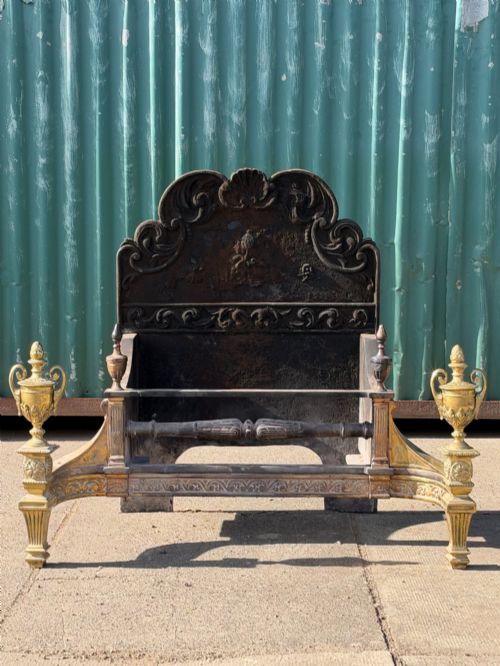
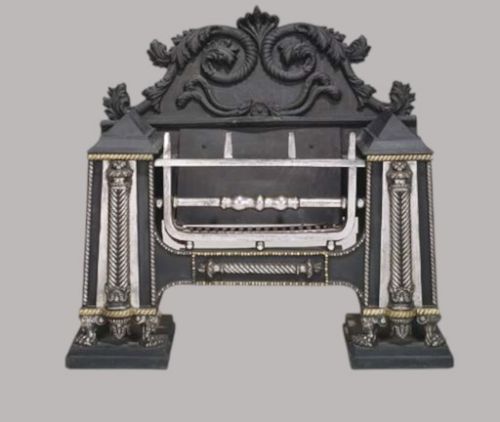
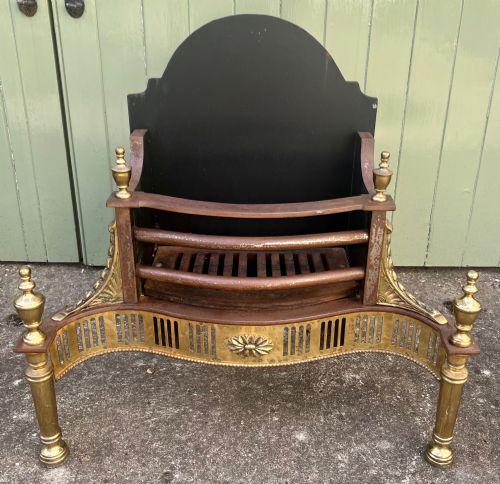
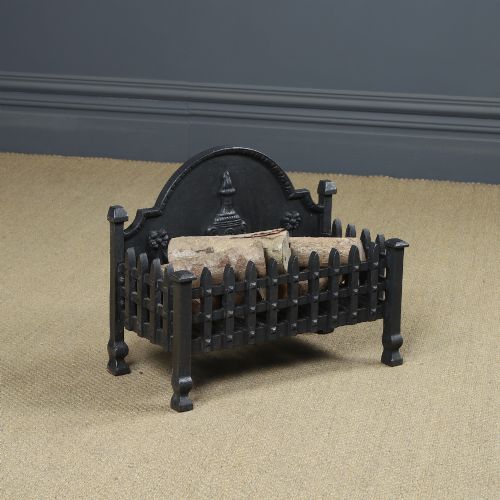
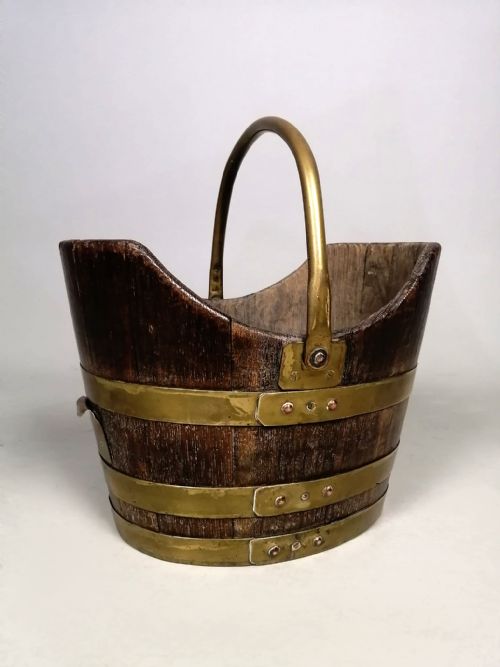
The versions you meet most often on this page range from heavy cast and wrought iron grates to copper log bins and studded leather fire buckets. They originate across the Georgian, Regency, and Victorian periods, often showing Adam style or neoclassical revival details in their brass and iron construction.
How they were made
Smiths and metalworkers shaped these objects using cast iron, wrought iron, brass, and sheet copper. Iron components were cast in moulds or hammered at the forge, while copper vessels relied on hand-beating and structural riveting to hold heavy loads of fuel.
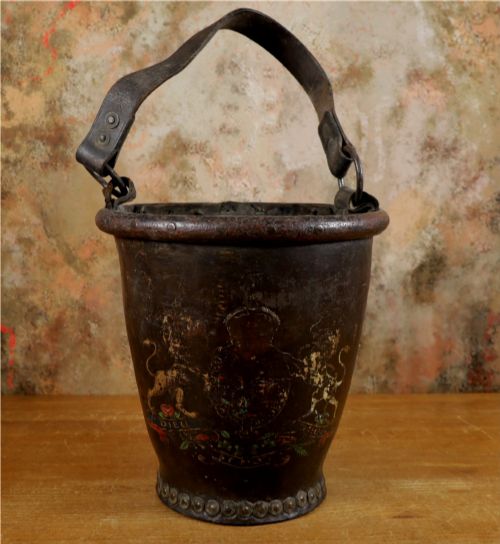
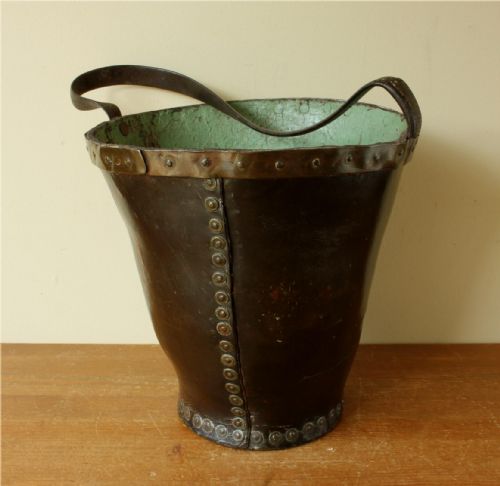
Leather fire buckets utilised thick hides shaped around wooden bases, often finished with pitch waterproofing and decorated with rows of brass studs spelling out coats of arms or initials.
Some leather fire buckets double as heraldic art, featuring studded unicorns and family coats of arms.
What varies in quality
The distinction between standard utility items and superior examples lies in the weight of the metal and the crispness of the decorative mounts. Heavy gauge copper, thick cast iron backs, and well-executed brass banding indicate workshops that produced pieces for principal rooms rather than back-of-house service.
Proportion and surface finish also set pieces apart, where hand-riveting, integrated backplates, and original studded leather detailing demonstrate superior craftsmanship from the period.
The Georgian Hearth Basket Glossary
- Fire grate
- An iron frame designed to hold burning fuel within a fireplace, allowing air to circulate beneath the fire.
- Log bin
- A large container, often made of copper with brass bands, used for storing firewood beside the hearth.
- Fire bucket
- A leather or metal bucket originally kept filled with water for fire safety, later repurposed as a coal or waste basket.
- Cast iron
- Iron poured into a mould to form rigid shapes, common in heavy fire grates and backs.
- Adam style
- A neoclassical design style popular in the 18th and early 19th centuries, featuring symmetrical brass mountings and classical motifs.
Georgian Hearth Basket: Frequently Asked Questions
How were these baskets used originally?
These items served practical daily functions around the fireplace, holding coal, logs, or water for domestic hearths.
Iron baskets and grates sat inside the hearth to contain the fire, while copper bins and leather buckets kept fuel dry and ready nearby.
Can I use a vintage fire grate today?
Many cast iron grates remain structurally sound for burning wood or coal in compatible fireplaces.
Buyers should consult a specialist to check the dimensions and draft of the hearth before lighting any fire in an antique grate.
What metals are most common?
Cast iron, wrought iron, copper, and brass appear frequently across these listings.
Iron was standard for the grates themselves, while copper and brass were chosen for coal bins and decorative hearth accessories.
How do I spot a Georgian piece?
Georgian and Regency pieces often display hand-riveted construction, specific brass bandings, and neoclassical styling.
Examining the weight of the metal and the methods used to join handles or feet helps distinguish 18th-century work from later revivals.