

Georgian Hallway Seating
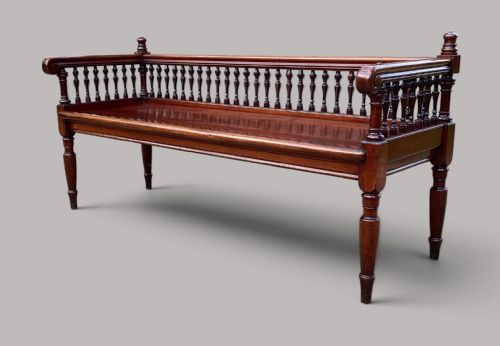
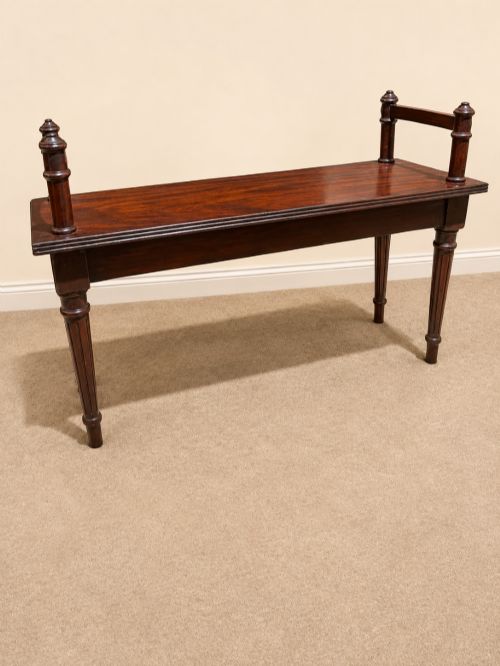
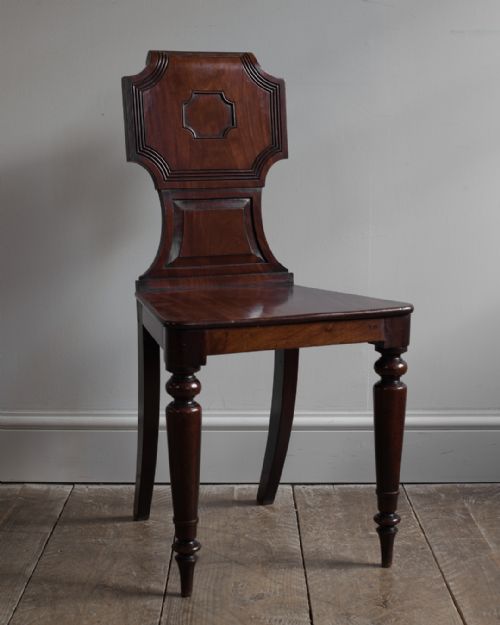
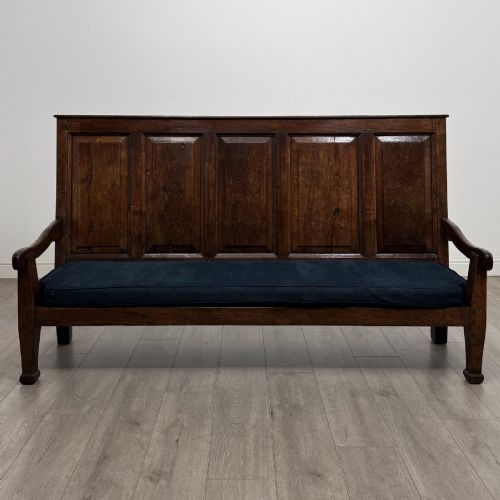
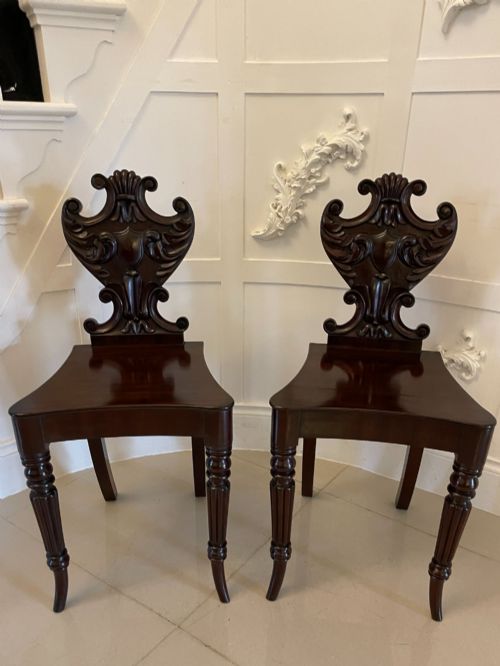
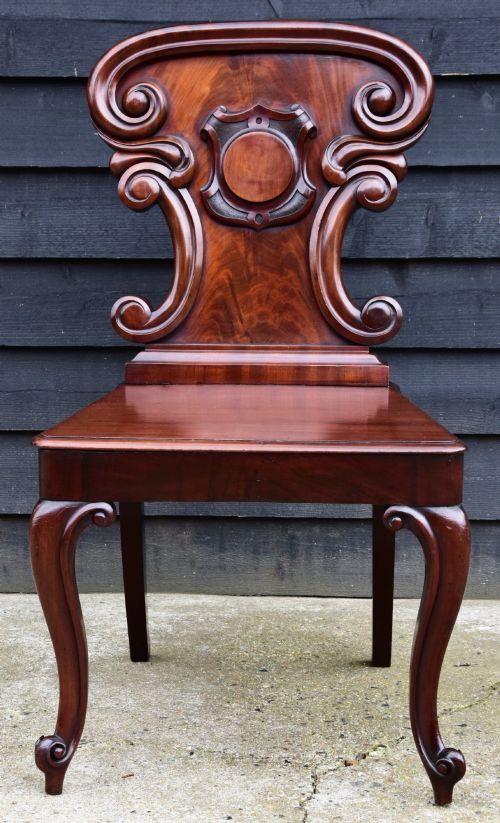
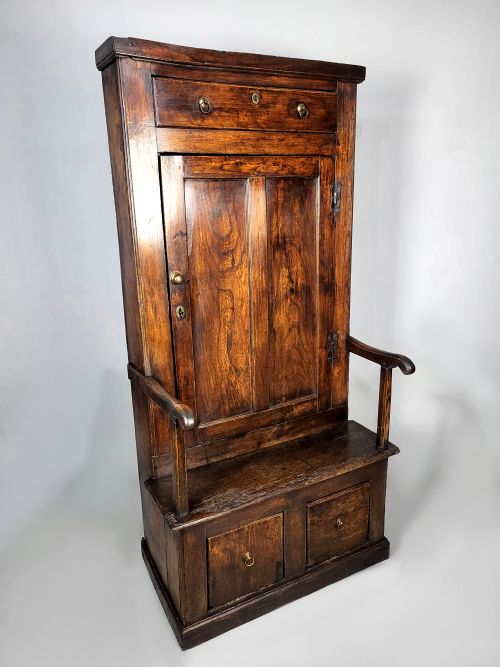
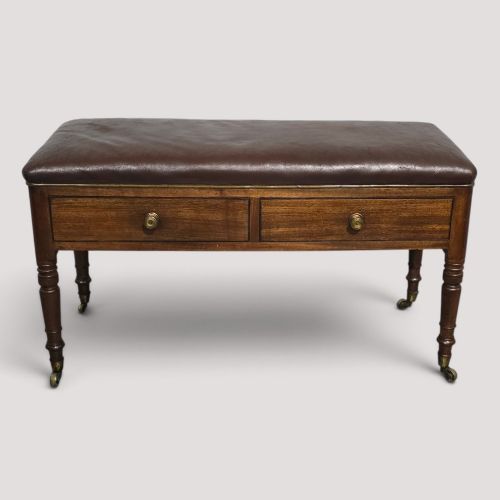
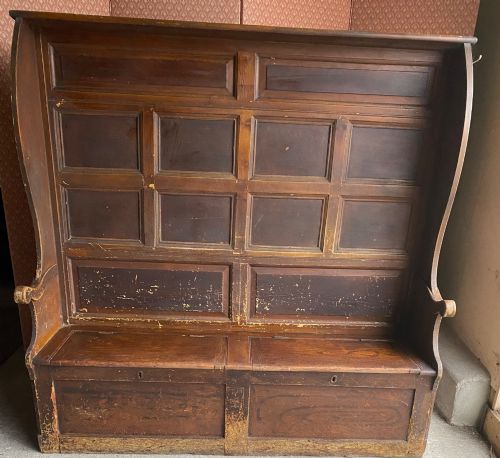
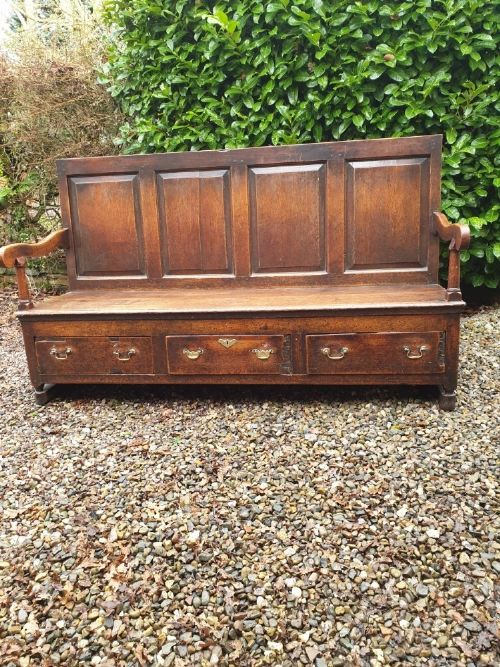
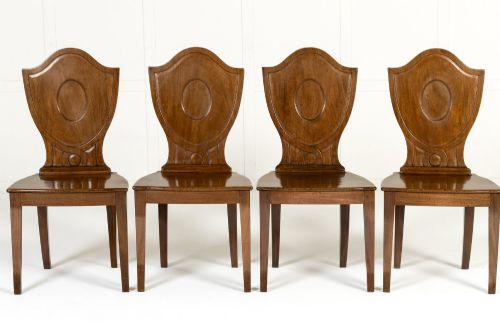
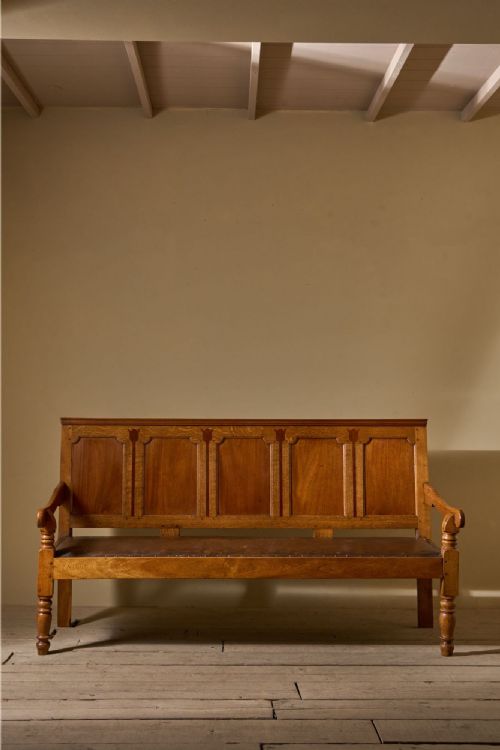
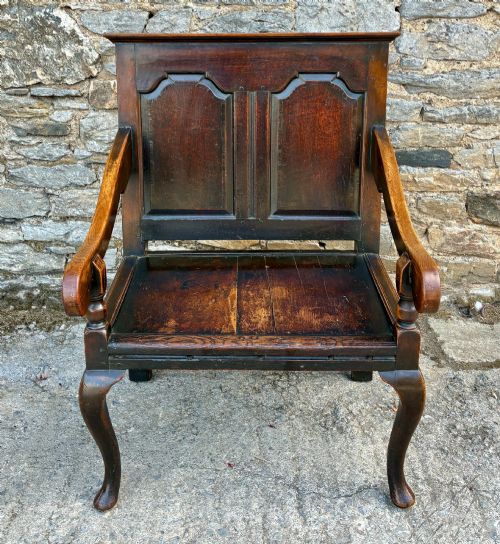
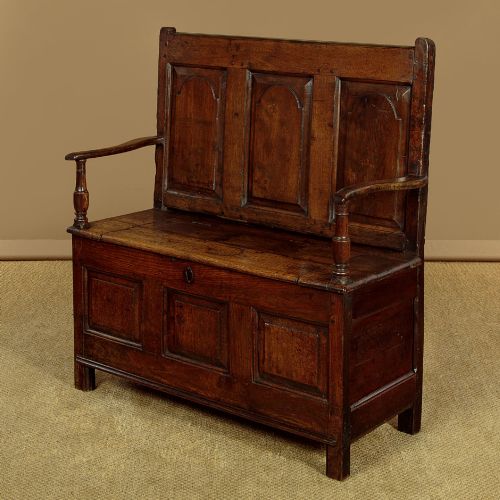
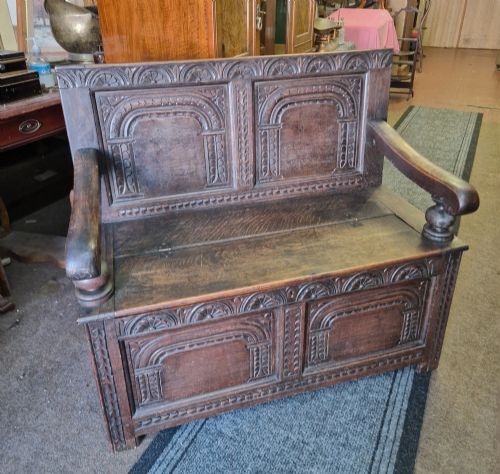
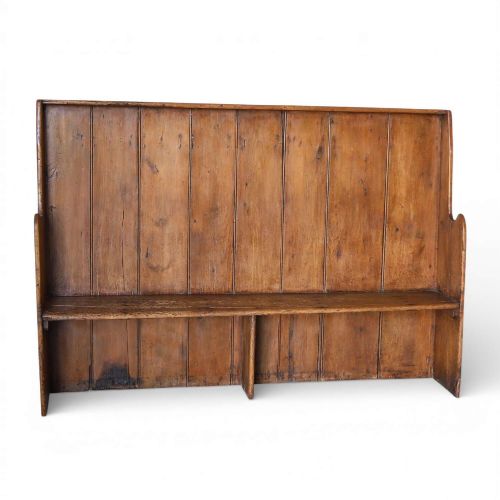
Georgian hallway seating gathers substantial oak settles, tall hall chairs and long benches designed to wait upon an entrance hall.
Georgian Hallway Seating
When you search for georgian hallway seating, you encounter sturdy settles, upright hall chairs and long window benches that furnished large country houses and modest rural homes alike.
The version you meet most often on this page is the oak settle or mahogany hall chair, reflecting the predominant woods and forms surviving from the eighteenth and nineteenth centuries.
These pieces served practical domestic purposes in draughty corridors, providing firm seating or concealed storage within hinged box seats before welcoming guests into the main rooms.
Materials and construction methods
Cabinetmakers utilised domestic timbers such as oak, ash, elm and pine for country furniture, alongside finer imported mahogany for formal town houses.
Panelling, mortise and tenon joints, and occasional hand-carved details or painted finishes formed the primary construction techniques recorded across these benches and chairs.
Georgian Hallway Seating Retail Price Guide 2026
Typical asking prices for georgian hallway seating among the pieces listed under this phrase on Sellingantiques today, from the lower quarter to the upper quarter. They describe what is for sale here now, not the wider market.
Listings here feature timbers such as mahogany, oak, pine and elm, spanning periods from the eighteenth century through to the Edwardian era.
Distinctions in craftsmanship and survival
The calibre of a piece rests on the selection of figured timber, the crispness of carved wooden details, and the integrity of the original joints.
Surviving patination, untouched painted surfaces and structural proportion separate honest vernacular examples from heavily restored or later revival pieces.
The Georgian Hallway Seating Glossary
- Settle
- A wooden bench featuring a high solid back to block draughts, often incorporating a hinged seat box for storage. These formed the backbone of communal seating in early domestic interiors.
- Hall Chair
- A rigid, upright timber chair designed for an entrance hall, frequently carved with a family crest or decorative shield. They prioritized formal appearance over prolonged physical comfort.
- Window Seat
- A long bench scaled specifically to sit within a bay or recess of a window. Upholstered cushions and elegant mahogany frames defined the formal examples.
- Crossbanding
- A narrow strip of veneer laid across the grain of the primary wood to form a decorative border along panel edges. This technique signals higher cabinetmaking skill.
- Patina
- The deep surface sheen and mellow colour developed by timber through decades of handling, light exposure and polishing. Collectors value this honest indicator of age.
Georgian Hallway Seating: Frequently Asked Questions
Where were settles placed in a home?
Settles usually stood near the main entrance or beside the hearth in large farmhouses and country dwellings. Their high wooden backs blocked cold draughts from stone hallways.
In daily use, the enclosed lower box provided secure storage for heavy blankets, boots or firewood. This dual purpose made them central to rural domestic life.
Why do hall chairs have wooden seats?
Hall chairs were intended for brief waits rather than long sitting periods, so upholstering them was unnecessary. Porters and visitors used them while announcing their arrival.
Their solid timber construction also resisted the dirt and damp of busy entrance passages better than fabric upholstery would have managed.
How can I tell a genuine eighteenth century settle?
Genuine eighteenth century settles show traditional hand tool marks, pegged mortise and tenon joints, and timber shrinkage appropriate to their age. The construction is robust and relies on pegged framing rather than modern screws.
Examine the underside and inner panels for consistent wear patterns and natural patination that match centuries of domestic use.
Are window seats suitable for hallways?
Window seats fit narrow hallways well because their low profiles and slender proportions keep corridors clear of obstruction. They offer a neat spot to sit when putting on shoes.
Many examples feature open frames or shallow box seats that provide practical utility without dominating a compact entrance space.